|
EPA Updates Guide to Illegal Dumping Prevention
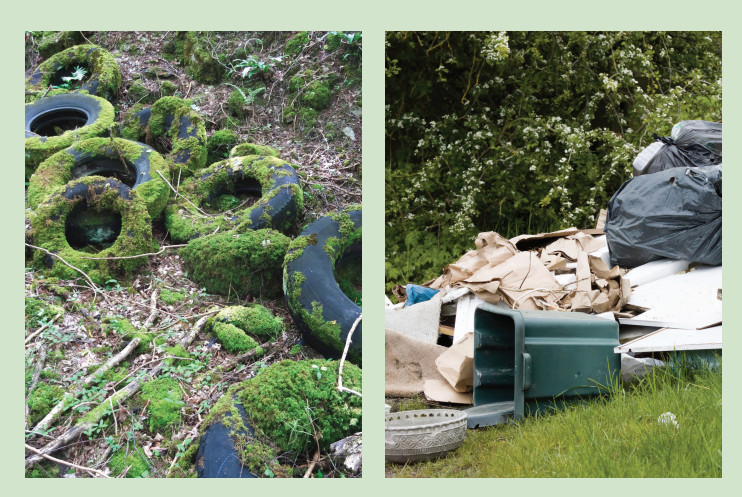 Illegal dumping, the disposal of waste in an unauthorized location, is a serious problem in many U.S. communities. Also referred to as “open dumping” or “fly dumping,” this action can threaten public health, safety, property values, and quality of life. The most common materials dumped in this way include construction debris, furniture, household appliances, auto parts, medical waste, yard waste, and household hazardous waste.
In June 2025, EPA updated the 1998 Illegal Dumping Prevention Guidebook, which outlines actions communities can take to prevent illegal dumping. The guide includes case studies from around the country that illustrate real actions taken by communities to prevent and respond to illegal dumping.
Visit EPA’s webpage to download the guide and learn more about preventing illegal dumping and how to properly dispose of or recycle unwanted materials.
|
|
ISLR Contributes to New Toolkit: Compost and Soil Contamination and Remediation
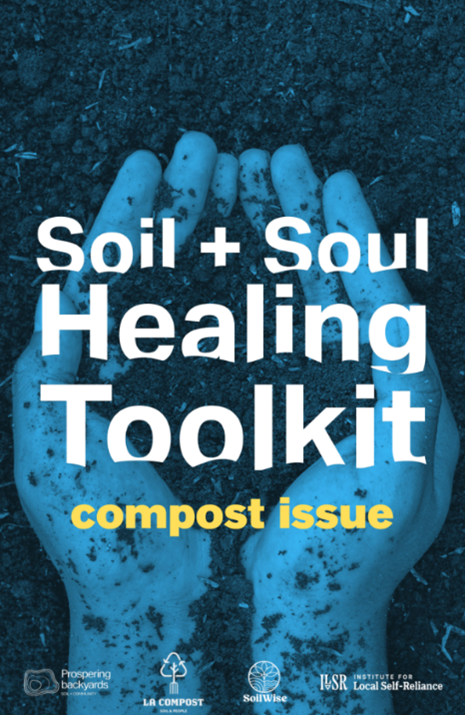 The Institute for Local Self-Reliance (ILSR) supported the development of a new toolkit to guide communities affected by wildfires and other sources of pollution on how to safely assess and remediate contaminated compost and soil. The Soil + Soul Healing Toolkit: Compost Issue introduces contaminants that may be present in compost or soil, how to safely collect samples for contaminant testing, and principles of bioremediation of contaminated compost and soil.
To view the toolkit and related resources, visit the ILSR website.
|
|
On-Site Food Waste Management Technologies (Northeast Recycling Council)
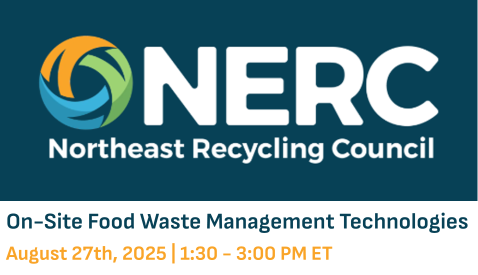 August 27, 1:30 – 3 PM ET
This webinar, presented by Northeast Recycling Council, will explore small-scale, on-site food waste management technologies, discussing in-vessel composting systems suitable for kitchens, schools, and institutions. The session will cover system options, operational considerations, and the benefits and challenges of managing compost on-site. Attendees will gain practical insights from real-world applications and learn what factors to consider when implementing these systems in their own communities or facilities.
Register for this webinar today.
|
|
From Classroom to Cafeteria: Actions to Reduce School Food Waste (ReFED & World Wildlife Fund)
 August 28, 1 PM ET
School cafeterias serve over four billion meals every year, and with that comes a staggering 530,000 tons of uneaten food, costing schools more than $1.7 billion. Join World Wildlife Fund's Food Waste Warriors and ReFED to hear from program leaders who are implementing successful food waste reduction programs, explore resources from WWF's Food Waste Warriors program, and engage in a lively discussion designed to give you actionable steps to launch (or strengthen) a food waste initiative at your school.
Register for this free webinar today.
|
|
Foundations of Sustainable Materials and Recycling (Northeast Recycling Council)
 September 15/17/19 (Monday/Wednesday/Friday), 1-3:30 PM ET
December 1/3/5 (Monday/Wednesday/Friday), 1-3:30 PM ET
The Northeast Recycling Council presents a comprehensive introduction to sustainable materials management and recycling practices, ideal for those new to the field. The course explores the history and evolution of recycling, dynamics of materials markets, and key industry terminology. Covering everything from the circular economy to the fundamentals of commodity markets, this course offers the essential building blocks for a deeper understanding of sustainable materials.
Register for either course today.
|
|
Sustainable Materials and Recycling Policy (Northeast Recycling Council)
 Fall/Winter 2025 TBA
This course, also presented by the Northeast Recycling Council, offers a deeper dive into the policies and frameworks that govern recycling and sustainable materials management in the U.S. Participants will examine key policy drivers and how these regulations shape recycling initiatives, compliance requirements, and sustainable practices. Through live sessions and case studies, participants will explore best practices for implementing new legislation and how to navigate the evolving landscape of sustainability regulations.
Join the waitlist on the NERC website.
|
|
2025 Rethink Resource Use Conference (Northeast Recycling Council)
 October 6 – 8; Boston, MA
Northeast Recycling Council’s 2025 Annual Conference will bring together leaders from government, academia, and the sustainable materials industry. Join to discuss key strategies to drive sustainable practices forward in our communities in the Northeast U.S.
Register for this conference on the NERC website.
|
|
Food Rescue (Hero) Conference
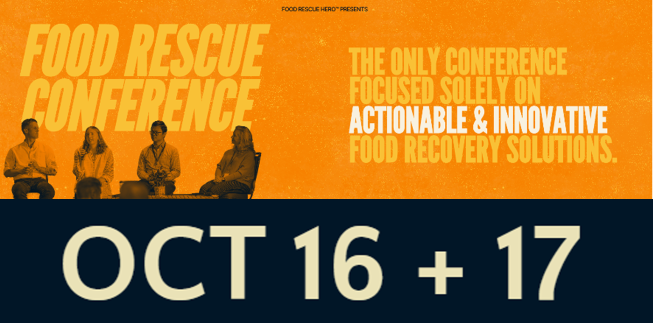 October 16 – 17; virtual
Food recovery professionals, government officials, food retail, and nonprofits alike are invited to come together and look at the future of food rescue, learn from industry experts, and network with peers. From building an expanded distribution network, social trends, and legislation, Food Rescue Conference speakers will cover the latest topics in the rapidly changing world of food access and food security, and how we can all work together to impact our communities in better ways.
Register for this conference today.
|
|
Mention of or referral to commercial products or services, and/or links to non-EPA sites does not imply official EPA endorsement of or responsibility for the opinions, ideas, data, or products presented at those locations, or guarantee the validity of the information provided. Mention of commercial products/services on non-EPA websites is provided solely as a pointer to information on topics related to environmental protection that may be useful to EPA staff and the public. |
|
|
By subscribing to the newsletter, you will receive periodic announcements about resources, events, webinars, funding opportunities, and more from EPA and our partners. Topics include circular economy, reduce/reuse/recycle, food loss and waste, electronics, plastics, municipal solid waste, and the built environment.
|
|
|
|
|