|
|
August 21, 2025
|
This e-newsletter delivers announcements from EPA's Office of Resource Conservation and Recovery on rulemakings, guidance documents, reports, research, upcoming webinars, and more.
|
|
|
EPA Announces Public Meeting and Intent to Reopen the Comment Period for Deadline Extension Proposal
On August 12, 2025, EPA announced a September 12th online public hearing on the direct final rule and companion proposal to extend the compliance deadlines for the Coal Combustion Residual Management Units requirements. The comment period currently closes August 21, 2025. To help facilitate the public hearing and public input, EPA will be reopening the comment period until September 15, 2025.
|
|
Join Us for the Next Hazardous Waste Electronic Manifest Advisory Board Meeting – September 23-25
On August 7, 2025, EPA announced the next e-Manifest Advisory Board meeting. EPA will hold the meeting virtually from September 23-25, 2025.
The purpose of the meeting is for EPA to seek the Board’s consultation and recommendations regarding the e-Manifest system on the meeting theme, “Accelerating the Future: Phasing out Paper Manifests to Unlock the Full Potential of e-Manifest.” All e-Manifest Advisory Board meetings are open to the public.
|
|
EPA Posts New and Updated Model Permit Modules
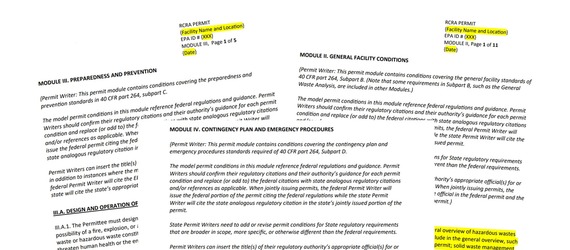
In July, EPA published two new model permit modules on preparedness and prevention and contingency plans as well as an updated module on general facility conditions.
The new Preparedness and Prevention module contains conditions covering those standards in Title 40 of the Code of Federal Regulations (CFR) part 264, subpart C. This module includes sections on design and operation of the facility, required equipment, testing and maintenance of emergency equipment, access to communications or alarm systems, required aisle space, and arrangements with local authorities.
The new Contingency Plan module contains conditions covering those standards and the emergency procedures standards required by 40 CFR part 264, subpart D. This module includes sections on implementation of contingency plans, content, emergency coordinators and procedures, copies, and amendments.
EPA also updated the General Facility Conditions Applicable to All RCRA Permits module.
The Model Permit is a guide to help permit writers draft and review permit conditions for incorporation into a RCRA hazardous waste permit. Using language that is based on best example language from actual permits that has been vetted by subject matter experts, including legal and enforcement experts, should reduce the time to issue permits, promote national consistency, and result in clearer, more readily implementable, enforceable permit conditions.
|
|
EPA Publishes Quick Start Guides for Tribal Transfer Station Operators
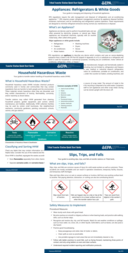
On July 16, 2025, EPA posted several quick start guides to provide Tribes with summarized information on how to safely manage specific wastes and operate small-scale transfer stations on Tribal lands.
Six of the guides cover managing appliances, bulky items, used oil, used tires, and household hazardous waste, and the transportation of hazardous materials.
The other four guides discuss balers, operations plans, worker safety, and slips, trips, and falls.
|
|
|
EPA Updates Guide to Illegal Dumping Prevention
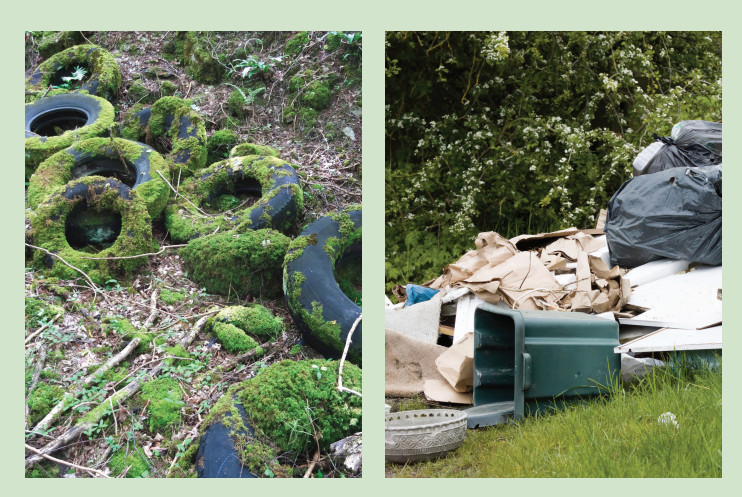
Illegal dumping, the disposal of waste in an unauthorized location, is a serious problem in many U.S. communities. Also referred to as “open dumping” or “fly dumping,” this action can threaten public health, safety, property values, and quality of life. The most common materials dumped in this way include construction debris, furniture, household appliances, auto parts, medical waste, yard waste, and household hazardous waste.
In June 2025, EPA updated the 1998 Illegal Dumping Prevention Guidebook, which outlines actions communities can take to prevent illegal dumping. The guide includes case studies from around the country that illustrate real actions taken by communities to prevent and respond to illegal dumping. Visit EPA’s webpage to download the guide and learn more about preventing illegal dumping and how to properly dispose of or recycle unwanted materials.
|
|
EPA Updates Example Graphic for Managing Debris After a Disaster
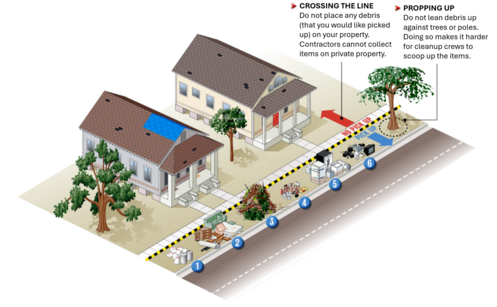
Picking up the pieces after a natural disaster can be difficult. Keeping in touch with your local government for guidance and assistance is key. Follow their specific guidelines on how to separate and set out your disaster debris for a speedier removal process.
On August 1, 2025, EPA updated this example graphic to assist those cleaning up after a disaster.
|
|
|
|
|