|
EPA Revamps the Disaster Debris Mitigation and Planning Webpages
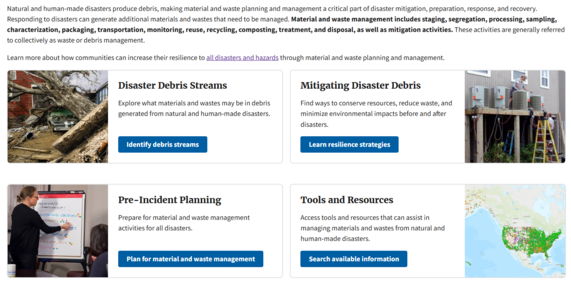 On May 8, 2025, EPA updated the disaster debris mitigation and planning web content (formerly referred to as “homeland security waste”) to help communities more easily find information and resources related to disaster debris in helping prepare for any future disasters they may face. The new web content:
- Focuses on actionable and practical measures that communities can start doing today.
- Includes a reorganized, more user-friendly landing page.
- Consolidates debris management resources and makes tools easier to find.
- Brings more attention to mitigation actions that communities can take to reduce the amount of disaster debris generated by disasters from homes, businesses, and other buildings.
- Encourages communities to view disaster debris as a potential resource that can be reused or recycled to remain within the economy.
Communities tend to view disaster debris as waste, but our new web content communicates that disaster debris can be sorted into different waste and material categories to increase the amount of debris that is recycled and managed more sustainably. Check out the updated web content.
|
|
U.S. Food Waste Pact Releases New Employee Engagement Toolkit on Food Waste
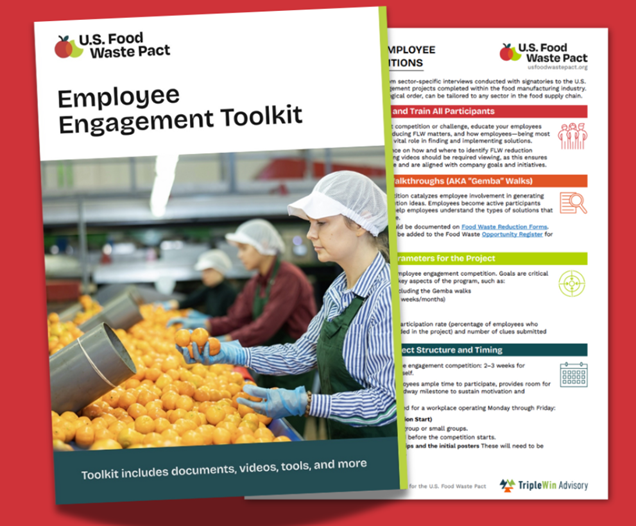 The U.S. Food Waste Pact has released a new portfolio of employee engagement resources that are open source and free to use. There is an Employee Engagement Toolkit designed to assist food businesses in piloting employee engagement intervention projects to address food loss and waste within their own operations. Additionally, there are three case studies on completed intervention projects – these companies have reported food waste reductions of over 50% through the use of these projects. These include video testimonials from participants.
|
|
U.S. Department of Agriculture (USDA) Funding Opportunities
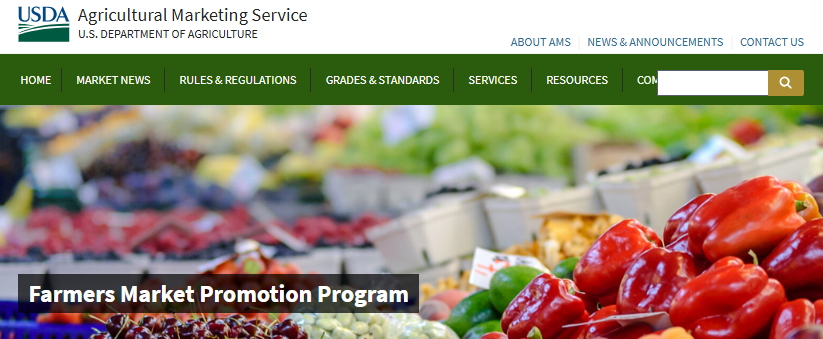 USDA’s Farmers Market Promotion Program (FMPP) application period is open! FMPP offers four different project types with timeframes ranging from 24 to 36 months. Please refer to the USDA website for additional information, including eligible entities and application details.
The floor for FMPP awards is $50,000 with a ceiling of $500,000 (depending upon project type). An important note: there is a cost share/match requirement of 25% cash or in-kind contribution. Applications are due June 27, 2025.
The Local Food Promotion Program (LFPP) application period is also open. Similar to the FMPP, LFPP offers four different project types with timelines ranging from 24 to 36 months. Eligible entities may apply if they support local and regional food business enterprises that process, distribute, aggregate, or store locally or regionally produced food products.
The floor for LFPP awards is $25,000 with a ceiling of $500,000 (depending upon project type). Visit the program page for additional information, including application details. An important note: there is a cost share/match requirement of 25% cash or in-kind contribution. Applications are due June 27, 2025.
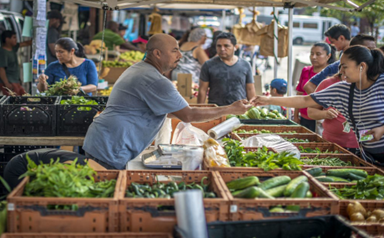 In addition, the Regional Food System Partnerships (RFSP) is open for applications. RFSP offers two types of projects: a 24-month Planning and Design project ($100,000 to $250,000) and a 36-month Implementation and Expansion project ($250,000 to $1,000,000). Eligible entities include producers, farmer or rancher cooperatives, community-supported agriculture networks or associations, food councils, local governments, nonprofit corporations, regional farmers market authorities, and Tribal governments, among others. Refer to the USDA webpage for additional details. An important note: a 25% cash match is required. Applications are due June 27, 2025.
|
|
Chef Ann Foundation – Bulk Milk Grants for Schools
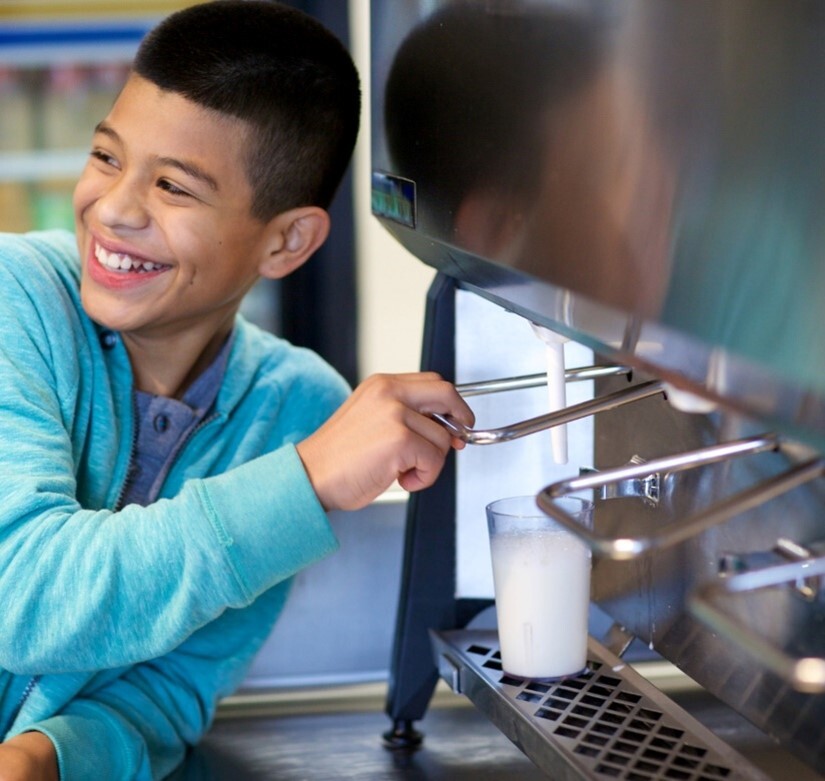 USDA requires schools to offer students milk with every lunch or breakfast the schools serve. Most schools today serve milk in disposable cartons or plastic bottles. With over 31 million lunches and over 13 million breakfasts served every single school day, year after year, milk packaging and liquid waste is one of the biggest sources of waste generated by school food programs.
Bulk Milk grants provide eligible schools across the country nearly everything they need to transition from serving milk in single-use cartons or bottles to serving milk in bulk. This includes bulk milk dispensers, staff training, marketing materials, and technical assistance. For more information, please visit the foundation webpage. Applications are due June 26, 2025.
|
|
Mention of or referral to commercial products or services, and/or links to non-EPA sites does not imply official EPA endorsement of or responsibility for the opinions, ideas, data, or products presented at those locations, or guarantee the validity of the information provided. Mention of commercial products/services on non-EPA websites is provided solely as a pointer to information on topics related to environmental protection that may be useful to EPA staff and the public. |
|
|
By subscribing to the newsletter, you will receive periodic announcements about resources, events, webinars, funding opportunities, and more from EPA and our partners. Topics include circular economy, reduce/reuse/recycle, food loss and waste, electronics, plastics, municipal solid waste, and the built environment.
|
|
|
|
|