|
EPA to Host Webinars on Labeling and Collecting Large Format Batteries for Recycling
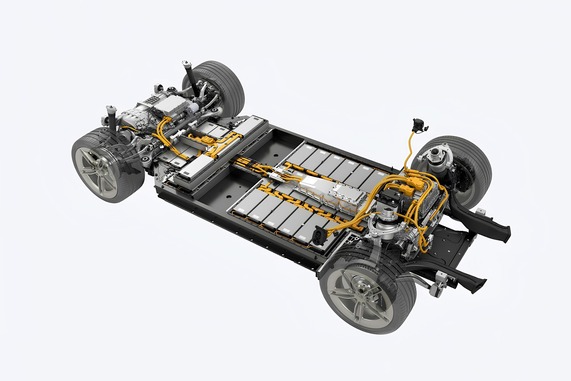 EPA is hosting a virtual working session on June 17, 2025, to improve battery labeling and develop best practices for the collection of rechargeable large format batteries over 25 pounds or more than 2,000 watt-hours. This includes batteries often used in electric, hybrid, and internal combustion engine vehicles; other motorized equipment; and stationary energy storage systems. This session will cover the end-of-life management of large format batteries, including recycling and refurbishment. Register today.
|
|
Resources for Recycling Right
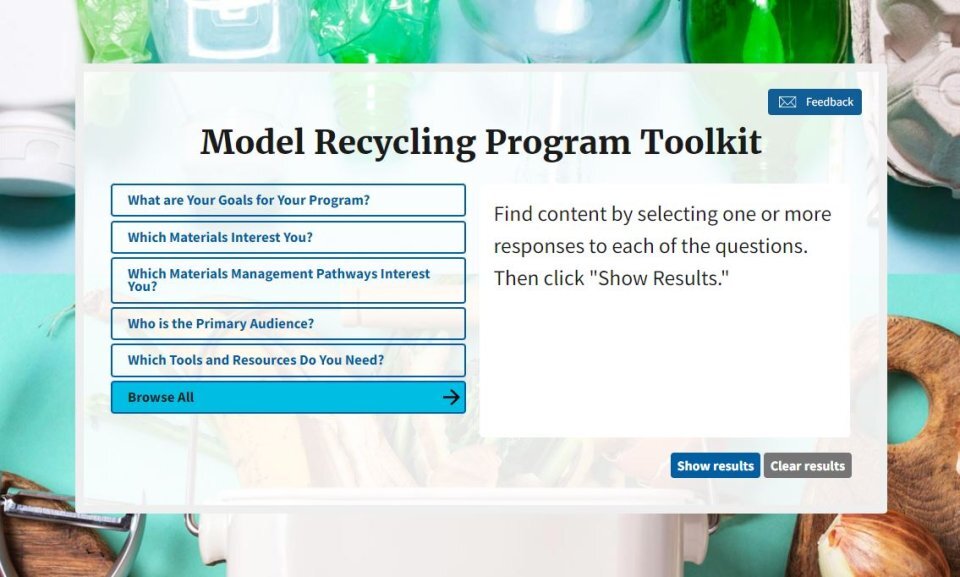 The Model Recycling Toolkit is an interactive collection of materials from EPA and others. Toolkit materials can help states, territories, local governments, Tribes, schools, nonprofit organizations, companies, and public-private partnerships create effective programs for recycling, composting, anaerobic digestion, reuse, repair and waste reduction. Materials in the toolkit can help communities increase participation in recycling programs and reduce contamination in the recycling stream. Check it out!
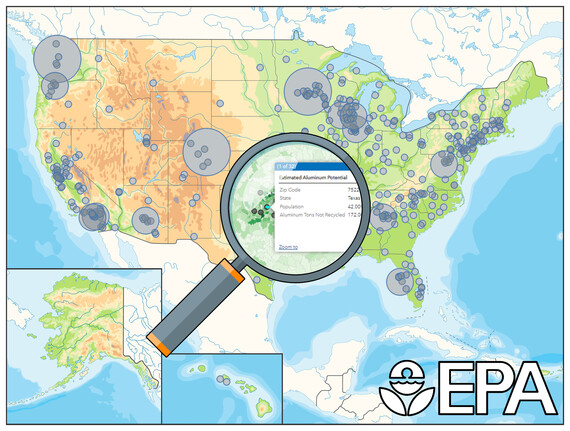 The Recycling Infrastructure and Market Opportunities Map is an interactive map that highlights existing recycling infrastructure, per capita generation and recycling of post-consumer material, and other relevant market factors. By providing a comprehensive resource for understanding opportunities related to post-consumer materials management, the Recycling Infrastructure and Market Opportunities Map can help develop and strengthen primary and secondary end markets for materials. It can also support cleaner communities by providing opportunities to reduce the amount of plastic and other waste entering landfills. Learn more.
|
|
Upcoming Webinar: Measuring Contamination in Composting Programs
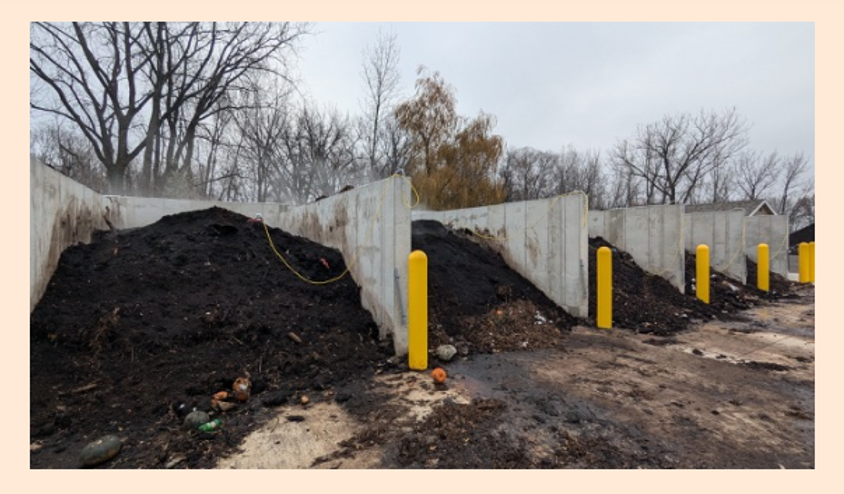 The Institute for Local Self-Reliance (ILSR) will host Part 3 of 3 in their Reducing Contamination in Composting Webinar Series. Join this webinar to hear how researchers and programs are measuring contamination. Whether you’re launching a new program or refining an existing one, this webinar will offer actionable strategies for using data to drive results.
The webinar will take place on June 12, 2025, from 12-1:30pm ET. Register today.
You can watch the recordings of Parts 1 and 2 of this series on the ILSR website:
|
|
U.S. Department of Agriculture (USDA) Funding Opportunities
 USDA’s Farmers Market Promotion Program (FMPP) application period is open! FMPP offers four different project types with timeframes ranging from 24 to 36 months. Please refer to the USDA website for additional information, including eligible entities and application details.
The floor for FMPP awards is $50,000 with a ceiling of $500,000 (depending upon project type). An important note: there is a cost share/match requirement of 25% cash or in-kind contribution. Applications are due June 27, 2025.
The Local Food Promotion Program (LFPP) application period is also open. Similar to the FMPP, LFPP offers four different project types with timelines ranging from 24 to 36 months. Eligible entities may apply if they support local and regional food business enterprises that process, distribute, aggregate, or store locally or regionally produced food products.
The floor for LFPP awards is $25,000 with a ceiling of $500,000 (depending upon project type). Visit the program page for additional information, including application details. An important note: there is a cost share/match requirement of 25% cash or in-kind contribution. Applications are due June 27, 2025.
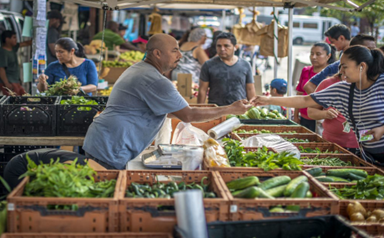 In addition, the Regional Food System Partnerships (RFSP) is open for applications. RFSP offers two types of projects: a 24-month Planning and Design project ($100,000 to $250,000) and a 36-month Implementation and Expansion project ($250,000 to $1,000,000). Eligible entities include producers, farmer or rancher cooperatives, community-supported agriculture networks or associations, food councils, local governments, nonprofit corporations, regional farmers market authorities, and Tribal governments, among others. Refer to the USDA webpage for additional details. An important note: a 25% cash match is required. Applications are due June 27, 2025.
|
|
Chef Ann Foundation – Bulk Milk Grants for Schools
 USDA requires schools to offer students milk with every lunch or breakfast the schools serve. Most schools today serve milk in disposable cartons or plastic bottles. With over 31 million lunches and over 13 million breakfasts served every single school day, year after year, milk packaging and liquid waste is one of the biggest sources of waste generated by school food programs.
Bulk Milk grants provide eligible schools across the country nearly everything they need to transition from serving milk in single-use cartons or bottles to serving milk in bulk. This includes bulk milk dispensers, staff training, marketing materials, and technical assistance. For more information, please visit the foundation webpage. Applications are due June 26, 2025.
|
|
New Grant Opportunity from the Composting Consortium
 Closed Loop Partners’ Composting Consortium, in partnership with the U.S. Composting Council and the Biodegradable Products Institute, is offering grants of up to $50,000 to composters and communities interested in expanding compost programs to include more food scraps and compostable packaging. For details on grant eligibility, timeline, key dates, and more, please refer to the press release. Application deadline: June 13, 2025.
|
|
Mention of or referral to commercial products or services, and/or links to non-EPA sites does not imply official EPA endorsement of or responsibility for the opinions, ideas, data, or products presented at those locations, or guarantee the validity of the information provided. Mention of commercial products/services on non-EPA websites is provided solely as a pointer to information on topics related to environmental protection that may be useful to EPA staff and the public. |
|
|
By subscribing to the newsletter, you will receive periodic announcements about resources, events, webinars, funding opportunities, and more from EPA and our partners. Topics include circular economy, reduce/reuse/recycle, food loss and waste, electronics, plastics, municipal solid waste, and the built environment.
|
|
|
|
|