|
EPA Posts New Version of the Excess Food Opportunities Map
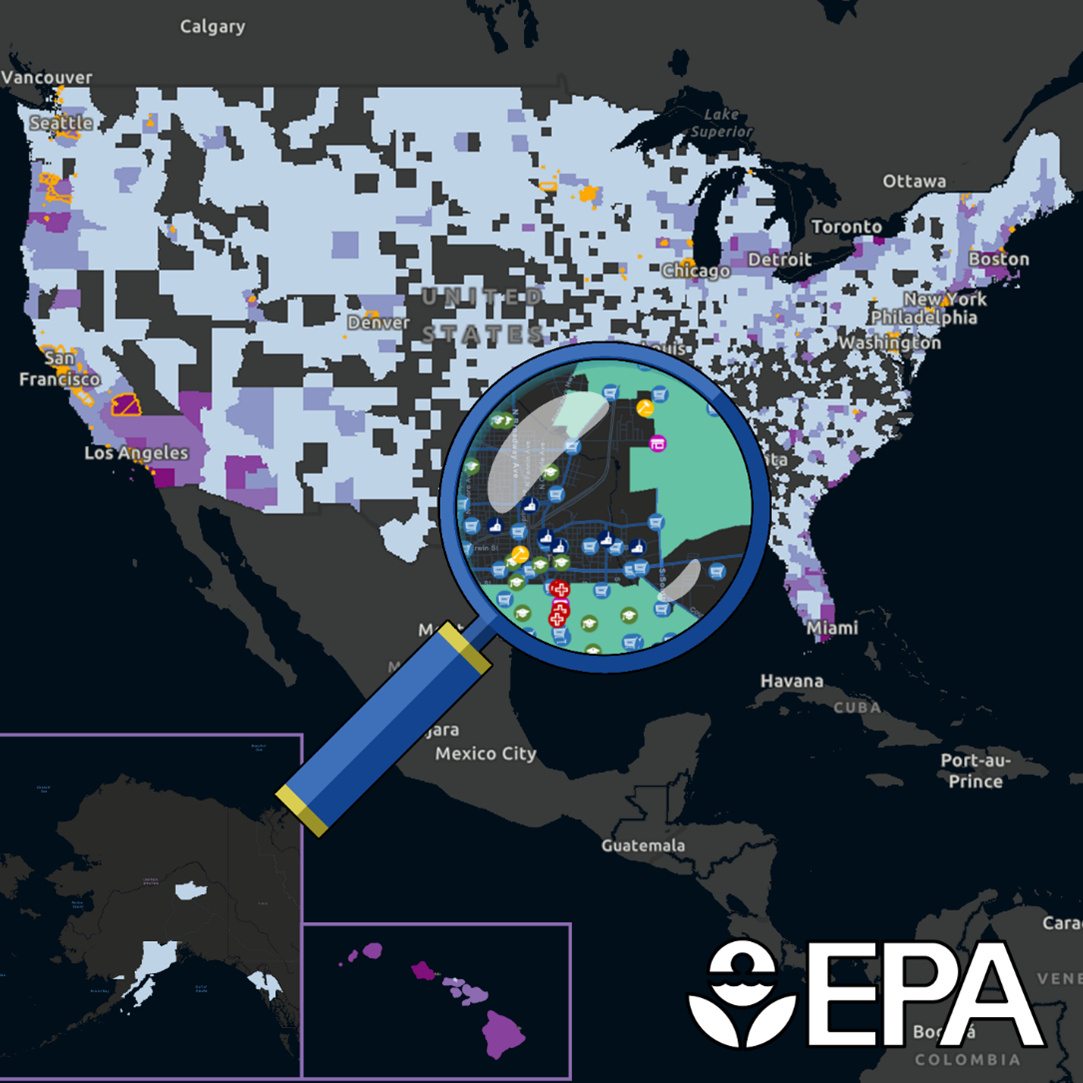 On March 13, 2025, EPA updated the Excess Food Opportunities Map, an interactive tool that supports nationwide diversion of excess food from landfills. The Map now identifies and displays facility-specific information on over 960,000 potential generators and almost 15,000 potential recipients of excess food in the industrial, commercial, and institutional sectors and also provides estimates of excess food by generator type. In this update from Version 3.0 to Version 3.1, EPA made the following changes:
- Food Banks, Pantries and Soup Kitchens increased from 989 to 8,460, based on data from Hunger Free America, funded by the U.S. Department of Agriculture (USDA).
- Farmers Markets increased from 997 to 6,996, using data from USDA’s Local Food Directories.
- Anaerobic Digestion Facilities increased from 1,635 to 1,850.
- Composting Facilities increased from 3,877 to 4,669 with the addition of some composting, chipping and mulching entities from EPA’s Disaster Debris Recovery Tool dataset.
- Data layers from EPA’s EJScreen were removed.
- Data layers on Food Access were added directly from USDA’s Food Environment Atlas.
The Map features an improved “Near Me” tool that allows users to identify entities within a selected area or specified radius from a chosen point. For details on how to use the map, check out the User Guide.
You can download all the datasets and use them (please attribute the data to U.S. EPA). For more information about data sources and estimates of excess food generation, refer to the Technical Methodology for Version 3.1.
For answers to other questions, please refer to the map’s frequently asked questions webpage, or contact smmfood@epa.gov.
|
|
EPA to Jointly Host Webinar on Developing an Extended Battery Producer Responsibility Framework
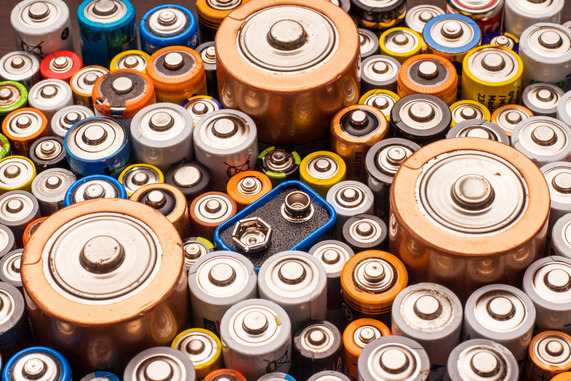 On April 7, 2025, EPA and the U.S. Department of Energy (DOE) are hosting the first virtual meeting to kick off conversations to develop an extended battery producer responsibility framework from 2:00–4:00 PM Eastern Daylight Time. EPA and DOE will share background and context around the framework initiative, and speakers will provide an overview of the extended producer responsibility policy landscape and key principles. Participants will then be able to provide input to inform this process. Register today.
EPA to Host Webinars on Large Format Battery Labeling and Collection for Recycling
|
|
 In April and June, EPA is hosting two virtual working sessions to improve labeling and develop best practices for the collection of large batteries for recycling. For purposes of these discussions, large format batteries are rechargeable batteries over 25 pounds or more than 2000 watt-hours and often used in electric, hybrid, and internal combustion engine vehicles; other motive equipment; and stationary energy storage systems.
-
April 24, 2025: Current Standards and Practices for Large Format Batteries. Register today.
-
June 17, 2025: Expanding End of Life Management for Large Format Batteries–Recycling and Refurbishing Webinar. Register today.
|
|
ReFED Releases Two New Reports on Wasted Food and Date Labeling Confusion
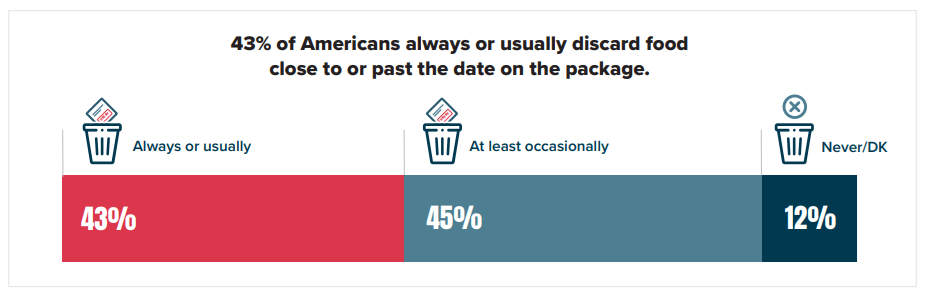 In February, ReFED, along with the Harvard Food Law and Policy Clinic and Johns Hopkins Bloomberg School of Public Health, released the results of a Survey on Consumer Perceptions of Food Date Labels. Their research found that U.S. consumers report discarding food near or past the label date even more often than they did in 2016. Of the 2,000 adults polled, 43% of U.S. consumers say they always or usually discard food near or past the label date (up from 37% in 2016), and 88% say they do so at least occasionally (up from 84% in 2016). For more information on this research, visit the ReFED website.
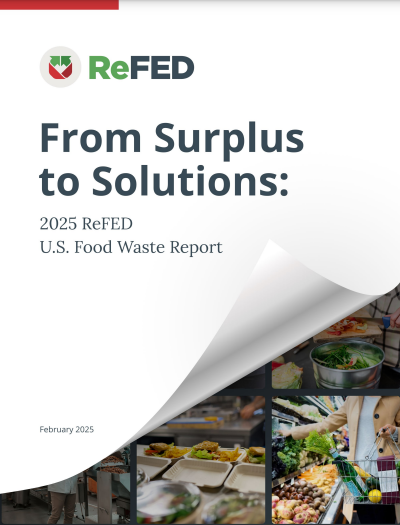 |
In March, ReFED released From Surplus to Solutions: 2025 ReFED U.S. Food Waste Report, which features the latest data on the progress, trends, and remaining challenges in reducing food loss and waste in the United States. It provides a qualitative and quantitative analysis of surplus food in the United States, spanning the entire food supply chain, with a particular focus on food businesses and consumers. It also features updated analysis on the financial implications of surplus food as well as the impact on climate and natural resources. You can access a webinar exploring the high points of the report on YouTube.
|
|
Mention of or referral to commercial products or services, and/or links to non-EPA sites does not imply official EPA endorsement of or responsibility for the opinions, ideas, data, or products presented at those locations, or guarantee the validity of the information provided. Mention of commercial products/services on non-EPA websites is provided solely as a pointer to information on topics related to environmental protection that may be useful to EPA staff and the public. |
|
|
By subscribing to the newsletter, you will receive periodic announcements about resources, events, webinars, funding opportunities, and more from EPA and our partners. Topics include circular economy, reduce/reuse/recycle, food loss and waste, electronics, plastics, municipal solid waste, and the built environment.
|
|
|
|
|