Be Prepared this Season for
Winter Weather!
Winter storms and cold temperatures can create potentially dangerous conditions in and around your home, including some that can impact your indoor air quality. Extreme cold and icy conditions can lead to burst pipes. Heavy snow and ice can block furnace and other vents and pipes in your home that can cause buildup of harmful pollutants indoors, like carbon monoxide. Follow the tips and safety precautions below to prepare for potential severe winter weather.
 Check Your Smoke Detector and Carbon Monoxide Alarm
Carbon monoxide (CO) is an invisible and odorless gas which comes from a variety of combustion appliances, like gas stoves, ovens or barbeque grills. CO can build up quickly indoors and can linger for hours. At elevated levels, CO can quickly cause significant harm and even death.
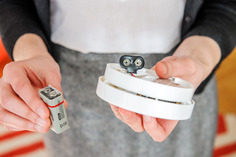
- Test smoke detectors and CO alarms monthly and replace batteries in these devices at least once each year, unless they have sealed 10-year batteries. Replace the smoke detector or CO alarm if it is more than 10 years old.
- Check that smoke detectors are installed inside each bedroom, outside each sleeping area, and on every level of the home, including the basement.
-
Check that CO alarms are installed outside each sleeping area and on every level of the home to prevent CO poisoning.
Winter Tips for Preventing Carbon Monoxide Exposure
When used improperly, fuel-burning portable generators and other combustion devices can be sources of deadly CO. If your power goes out, safely provide power for lighting, cooking, and heating:
-
Do not use fuel-powered portable generators indoors (e.g., inside your home, garage, shed or similar enclosed areas). Generators should only be used outside and at least 20 feet away from buildings.
-
Do not try to heat your home by using combustion appliances including gas stoves or ovens, or barbeque grills.
-
Never operate any gas-burning heater or other appliance in a poorly vented or closed room, or where you are sleeping.
Learn more about Carbon Monoxide's Impact on Indoor Air Quality
|
Prevent Water Damage and Mold

- Repair any roof leaks before winter weather arrives.
- Prevent pipes from freezing and bursting:
- If you can, insulate water lines that run along exterior walls so pipes will be less likely to freeze.
- Shut off and drain outdoor spigots before freezing temperatures arrive.
- Learn how to shut off emergency water or master shut-off valves in case a pipe bursts during severe winter weather.
- Learn how to control moisture in your home to help prevent mold.
Learn more about Mold and Indoor Air Quality.
|
Prepare to Burn Wood Properly

Whether you heat your home with wood or enjoy the occasional fire, you can keep the air inside your home healthier with these best practices and tips:
- Burn only dry, seasoned wood to maintain a hot fire with less smoke.
- Have a certified technician inspect and service your wood-burning appliance, chimney, and vent annually.
- Protect your indoor air - upgrade to an electric heat pump or an efficient, EPA-approved wood-burning appliance.
Learn more about Smoke from Residential Wood Burning.
|
|