Natural Disasters Can Happen Fast. Are You Prepared?
Learn how emergencies impact indoor air quality and how to prepare your family and your home for emergencies this National Preparedness Month
Throughout the year, we plan for many events like family vacations and celebrations. This September during National Preparedness Month, consider making a plan to protect your home’s indoor air quality should you need to act quickly in an emergency.
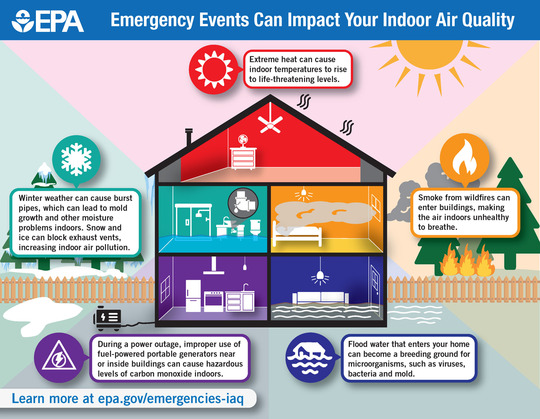
Learn ways to prepare your indoor environment for:
-
Wildfire Smoke – Creating a clean room in your home is an effective way to reduce your family’s exposure to smoke.
-
Flooding – Often causes mold to grow in your home. Be prepared to safely cleanup.
-
Power Outage – Exposure to carbon monoxide can be lethal! Learn how to safely use a fuel-powered portable generator for lighting and cooking.
-
Extreme Heat – It’s not only uncomfortable but can be dangerous.
Wildfires: Create a Clean Room to Protect from Wildfire Smoke
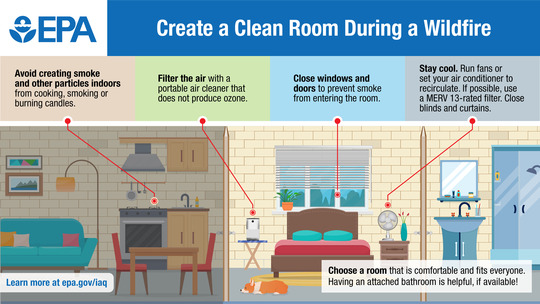
A clean room can help protect those at greater risk from the effects of wildfire smoke, including children, older adults, and people with heart disease or respiratory problems. Learn more about how to create a clean room in your home to make sure you have everything you need before smoke arrives!
TIP: Use a portable air cleaner that is the right size for the room. Choose one that does not produce ozone. If portable air cleaners are not available or affordable, learn how to make your own DIY air cleaner.
 |
|
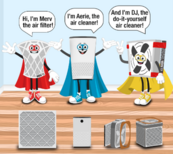
Check out EPA’s new Air Cleaning Allies Activity Book! Kids can use this activity book to learn about using air cleaners to make the air in their homes healthier to breathe. Follow along in the story and complete a series of activities to learn about filtration and air cleaning with Merv the air filter, Aerie the air cleaner and DJ the do-it-yourself air cleaner. |
Learn more about what you can do now to protect your family from wildfire smoke.
Floods: Be Prepared for Safe Cleanup
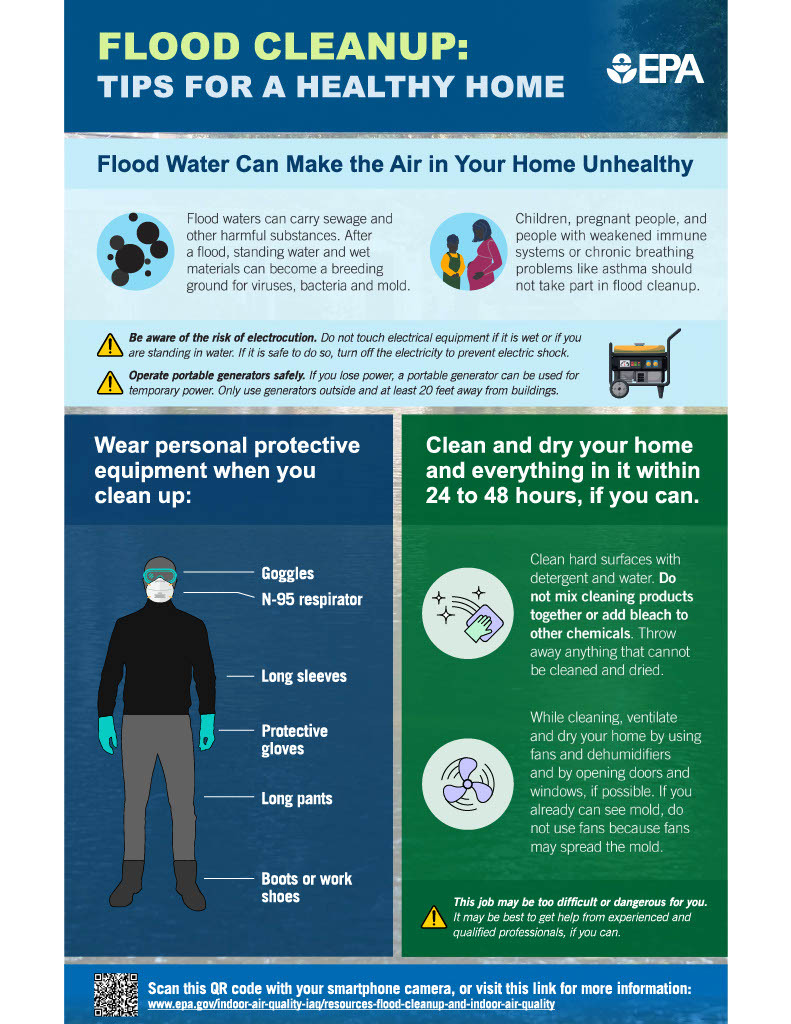 If you live in an area where flood risk is high, learn how to clean your home after a flood to protect your family’s health. Older adults, children, and people with existing health conditions should not help with cleanup.
TIP: Plan ahead and add the following items to your preparedness supplies – these may be hard to find immediately after a disaster:
-
N-95 respirator
-
Protective goggles (without vent holes)
-
Long-sleeve shirts
-
Long pants
-
Protective gloves
-
Boots or work shoes
Check out EPA’s Flooded Homes website for step-by-step guidance and videos for safely cleaning up your home and recovering from a flood.
Extreme Heat and Power Outages: Know How to Stay Cool
Extreme heat can be especially dangerous for older adults (age 65+), infants and children, and others at higher risk. Learn how to stay cool so you’re ready the next time extreme heat affects your area.
-
Use ventilation and shading strategies to help control indoor temperatures.
-
Use air conditioners or spend time in air-conditioned locations, such as designated cooling zones, malls, and libraries.
-
Use fans to exhaust hot air from rooms or draw in cooler air. Do not direct fans toward yourself when the room temperature is hotter than 90°F.
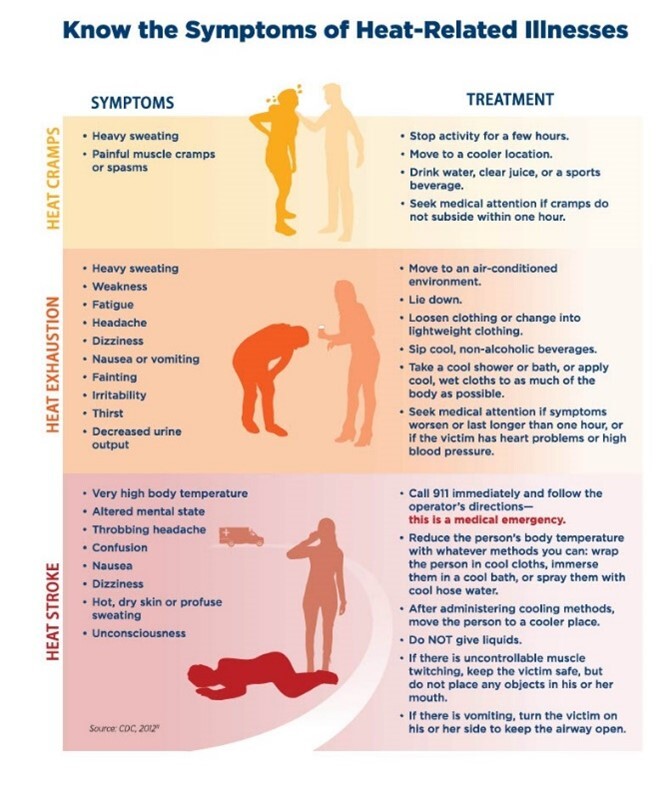
Prevent heat-related illness:
Before you lose power
-
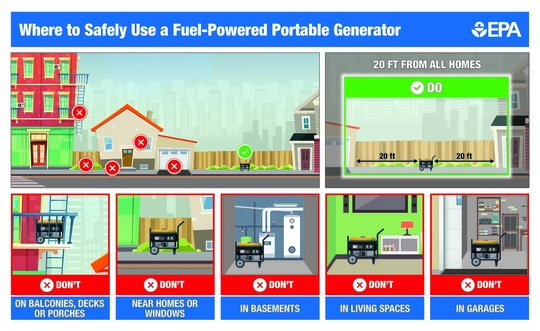
Learn how to safely use a fuel-powered portable generator to avoid exposure to carbon monoxide and other harmful chemicals.
-
Always keep fuel-powered portable generators at least 20 feet away from any homes or air intakes.
-
Make sure your home is equipped with one or more functioning carbon monoxide alarms, as carbon monoxide poisoning can be fatal.
TIP: If you need to provide emergency power, NEVER use fuel-powered portable generators indoors! Place them outside and at least 20 feet from buildings.
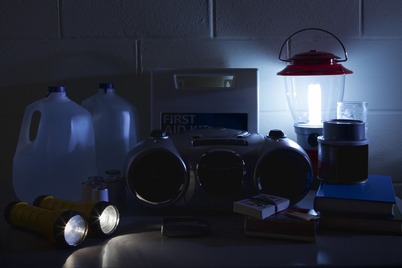
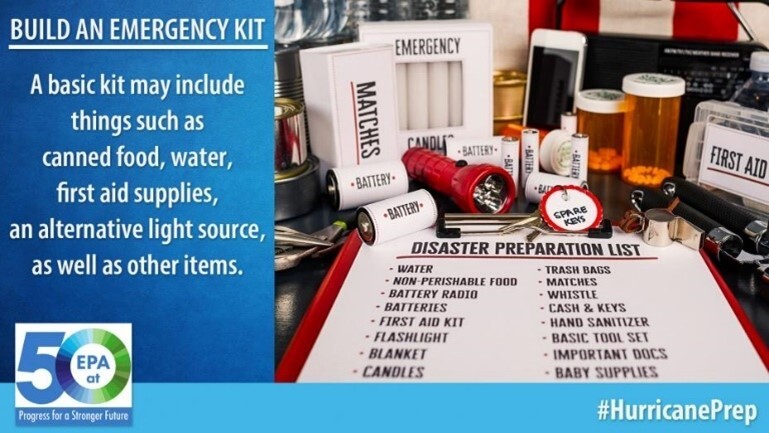
Family Emergency Supply Kit
Consider preparing a family emergency supply kit that includes some essentials that you may need if disaster strikes.
-
Canned food
-
Water
-
Essential medications
-
First aid supplies
-
An alternative light source
-
Other items
|