Legionella in the Indoor Environment
EPA just published a new webpage, Legionella in the Indoor Environment. This webpage offers practical strategies and resources to minimize the risk from Legionella in the indoor environment.
What is Legionella?
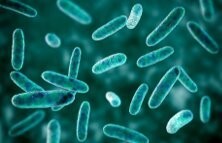
Legionella is a type of bacteria that is found naturally in lakes, streams, ponds, other freshwater settings and in some soils. It can also be found in water distribution systems and plumbing in buildings. |
|
 |
Health concerns
Legionella can become a health concern when it grows and spreads in a building’s water system, such as water pipes and all devices that use water. Showerheads, sink faucets, and humidifiers can create mist, or small droplets, which can release bacteria into the air. People can become infected with Legionella when they breathe in the mist or small droplets that contain the bacteria.
Legionella bacteria can cause Legionnaires’ disease, a serious type of pneumonia or a milder influenza-like illness known as Pontiac fever. It usually takes 2 to 14 days after being exposed to Legionella bacteria to develop Legionnaires' disease.
Symptoms may include:
- Cough
- Fever
- Headaches
- Muscle aches
- Shortness of breath
Other symptoms, such as confusion, diarrhea, or nausea can also occur.
Most healthy people exposed to Legionella do not get sick; however, some individuals may be more susceptible, including:
- People 50 years or older.
- Current or former smokers.
- People with weakened immune systems or who are immunocompromised.
- People with a chronic lung disease.
- People with cancer.
- People with underlying illnesses such as diabetes, kidney failure or liver failure.
For people who do become ill with Legionnaire’s disease, it can be very harmful and requires treatment with antibiotics. Most cases of this illness can be treated successfully. Identifying and treating the illness early can increase the chances of getting better. About 1 in 10 people who get sick with Legionnaires’ disease die due to complications from the illness.
Strategies to reduce exposure
There are several strategies that you can use in combination to prevent or reduce the growth of Legionella in your home’s water system.
Keep water fixtures clean
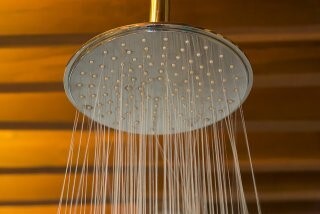
If you notice mineral build-up or slimy film on water fixtures, consider cleaning them more often. This might require you to remove the fixture, for example a showerhead and hose, and soak in a cleaning solution to remove buildup
|
|
 |
Temperature control
Legionella grows best at temperatures between 80-120⁰F; keeping water in indoor plumbing either above 124⁰F or below 80⁰F can help control the bacteria.
Flushing the water in your home
Flushing the water in your home after periods of disuse, such as while you are away or during remodeling, will remove stagnant water.
Hot tubs and spas
Hot tubs and spas have potential for Legionella growth if improperly maintained. CDC provides information about Legionella and Hot Tubs/Spas, including steps you can take to test the water to determine if it is properly maintained.
If you are unsure of whether to implement prevention strategies in your home, a healthcare provider or public health professional in your area can advise you.
|