|
It's Time for Spring Cleaning, but Don't Forget about Your Indoor Air Quality!
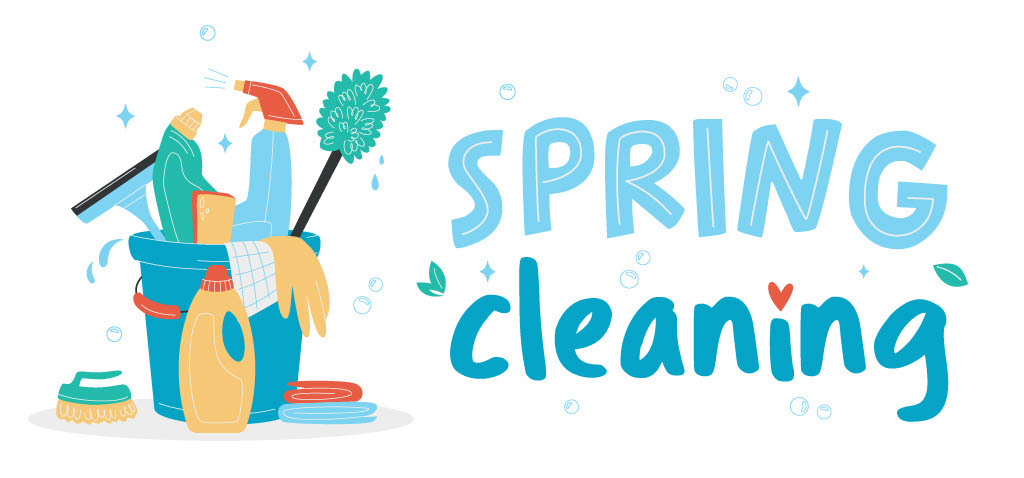 Spring is here and we’re ready to throw open the windows, let in some fresh air and begin our spring cleaning! But did you know, the way we clean can impact our indoor air – especially for those with asthma and allergies?
Asthma triggers are things that can cause asthma symptoms, an episode or attack or make asthma worse. A few simple steps may help reduce your asthma and allergen symptoms when cleaning your home.
Outdoor Air Pollution
Before opening your windows to let outdoor air inside, consider checking the outdoor air quality first! When inhaled, outdoor pollutants and pollen can aggravate the lungs.
- You can visit AirNow.gov to get air quality data for where you live.
- Check pollen counts and other allergen levels in your local weather report or favorite weather app.
|
Dust Mites
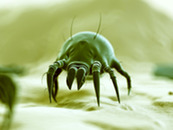
Most homes have dust mites. These tiny bugs are too small to see and can be found in carpets, upholstered furniture, bedcovers, and common house dust. Body parts and droppings from dust mites can trigger asthma in individuals with allergies to dust mites.
- Dusting hard surface furniture and flooring with a damp cloth can help reduce putting dust into the air.
- Vacuuming carpets and fabric-covered furniture every week can help reduce dust build-up. Use a vacuum with a properly fitted and maintained HEPA filter (high-efficiency particulate air filter).
- People with asthma or allergies should leave the area being dusted or vacuumed, if possible, or consider wearing a mask covering their nose and mouth during dusting and vacuuming.
|
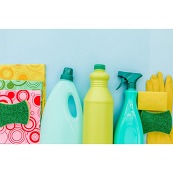
Chemical Irritants
Chemical irritants are found in some household consumer products and can trigger asthma and other reactions. Consider using soap and water to clean when possible. If you must use other cleaning products:
- Always read and follow the instructions on the product label.
- Do not mix chemicals.
- Open windows or doors when possible and use an exhaust fan to increase ventilation.
- Consider using products with EPA's Safer Choice label.
- When possible, people with asthma and other respiratory illnesses should consider leaving the area before, during and for a while immediately after cleaning.
|
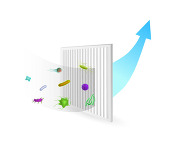
HVAC and Portable Air Cleaner Filters
Routinely changing air filters in your heating, ventilation, and air conditioning system (HVAC system) and portable air cleaners may help reduce some indoor allergens and other particles.
- Use the highest-rated filter that your HVAC system fan and filter slot can accommodate –a filter with a MERV rating (Minimum Efficiency Reporting Value) of 13 and above if possible.
- Portable air cleaners that use a HEPA filter (high-efficiency particulate air filter) may offer improvements for some allergy and/or asthma symptom(s).
Learn more about asthma and controlling asthma triggers.
|
|
|
|
|