|
April showers bring May flowers, but they can also spring unwanted fauna into your home that affect indoor air quality.
Just like the trees, you may be experiencing re-leaf that winter is behind us, but you are not the only one trying to escape the rain or heat. Pests and critters seek shelter from the rain and sun in home cavities. With ENERGY STAR and Indoor airPLUS, builders seal, caulk, or screen openings to keep unwanted pests and critters from vacationing in your home.
Excess moisture breeds mold, attracts pests, and deteriorates building materials. Mold is a common trigger for allergy and asthma symptoms. Indoor airPLUS homes have additional construction features, including improved roof, wall, and foundation drainage to keep water where it belongs— outside the home. Moisture-resistant building materials are also required in moisture-sensitive areas of the home, and building materials are required to be kept dry during construction. Air sealing and water management measures are required for Indoor airPLUS labeled homes to help keep pests and moisture outside the home. Builders provide piece of mind to their customers that their healthy home is helping to reduce their risk of disease and germs from pests and moisture.
Don’t be Bugged by Pests

Insects, rodents, and other pests are more than just a nuisance; they can carry diseases, aggravate allergies, and spread germs. These pests can cause considerable property and structural damage if their activities go undetected. Pests can enter through surprisingly small openings. Gaps as small as ¼ inch (the width of a pencil) are enough for mice to squeeze through into the wall cavity or interior of the house. Rodents can chew through spray foam, wood, and some types of plastic.
|
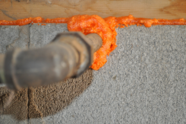
Indoor airPLUS homes minimize pathways available for pests to enter the home by sealing penetrations and blocking other building openings with corrosion-proof screens. Making a house resistant to the entry of pests minimizes both the damage they can cause and the exposure of occupants to pest-related allergens, diseases, and asthma triggers. While the use of chemicals and poisons are common conventional methods for preventing or treating pest infestations, relying on their use increases ongoing maintenance activities and costs for the homeowner, and present their own health risks to occupants.
|
Wet wood attracts carpenter ants and is easier for animals to gnaw through, so it is important to construct the home so it stays dry or dries out quickly if some components get wet. The Building America Solution Center has several guides to help builders properly manage water drainage around the site and foundation; these can be accessed through the ENERGY STAR Water Management System Builder Checklist. The steps builders take to seal the building envelope to prevent air leakage can also reduce opportunities for pest intrusion and damage, without relying on chemicals.
Don’t Let Mold Rain on Your Parade

With ENERGY STAR and Indoor airPLUS, builders use a variety of moisture control features designed to minimize risks, including improved control of condensation and better roof, wall and foundation drainage.
Bathrooms are a common source of mold. Humidity from showers can cause moisture problems, which will lead to mold growth. Installing and using a ventilation fan will help to control moisture and inhibit mold growth. Basements can also be damp. Installing a properly sized dehumidifier to help keep your basement at an appropriate humidity level can reduce the potential for mold. It is important to dry water-damaged areas and items within 24-48 hours to prevent mold growth.
|
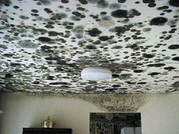
No matter where you are in the house, it is important to keep the indoor air dry enough to help prevent the growth of mold. If indoor air is too humid, moisture can condense on surfaces and enhance the growth of mold. Potential health effects and symptoms associated with mold exposures include allergic reactions, asthma, and other respiratory complaints. The moisture in Indoor airPLUS homes is carefully controlled, both mechanically and by the tightness of the home, to reduce mold growth and maintain a healthier level of humidity.
|
How can Building Practices Help Improve Indoor Air Quality?
The Indoor airPLUS Program improves the quality of air in homes by requiring construction practices and product specifications that minimize exposure to airborne pollutants and contaminants. Clean air is good for everyone’s health, but it can be especially important to those that have chronic respiratory conditions.
The typical sources of indoor air pollution include:
-
Biological agents such as mold, pollen, pet dander, and pests that may trigger asthma attacks or other respiratory symptoms; and
-
Chemical agents such as VOCs, formaldehyde, combustion products, and radon gas that can cause a wide range of health effects.
|
Homebuyers today are increasingly concerned about the indoor air quality of their homes and protecting their family's health. Indoor airPLUS offers a new construction label to address these issues, offering improved comfort, safety, and healthier indoor air.
Builders can use a variety of construction practices and technologies to decrease the risk of poor indoor air quality, including careful selection and installation of building materials; heating, ventilating, and air conditioning (HVAC) systems; combustion venting systems; and moisture control techniques. It is not easy for homebuyers to keep track of all the preferred construction details that lead to improved indoor air quality. That is why EPA created the Indoor airPLUS label.
Please feel free to contact us with any questions about Indoor airPLUS.
Best regards,
The Indoor airPLUS Team
|