|
In this week’s update, (1) Administrator Zeldin Completes Two-Day Swing Through Pennsylvania, (2) Cooperative Federalism Advanced at Tennessee Infrastructure Summit, and (3) Canadian Wildfires Cause Widespread Air Impacts in U.S.
Administrator Zeldin Completes Two-Day Swing Through Pennsylvania
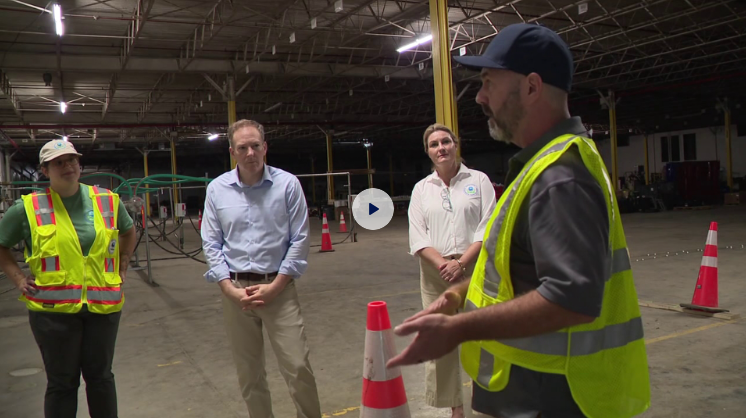
This week, Administrator Zeldin was in the Keystone State where he visited the EPA Region 3 office, toured Superfund and waste management sites, met with trucking manufacturers, and viewed a Chesapeake Bay watershed initiative. EPA continues to work hard non-stop to help Power the Great American Comeback throughout Pennsylvania and all 50 states.
Read additional coverage from the Administrator’s visit.
Cooperative Federalism Advanced at Tennessee Infrastructure Summit

On Tuesday, Administrator Zeldin was back in Tennessee, speaking in Franklin with state business leaders about how EPA has been limiting our power to the single best reading of federal law, while proving that protecting the environment and growing the economy can both be chosen and achieved simultaneously. Read the full recap of Administrator Zeldin’s stop.
Canadian Wildfires Cause Widespread Air Impacts in U.S.
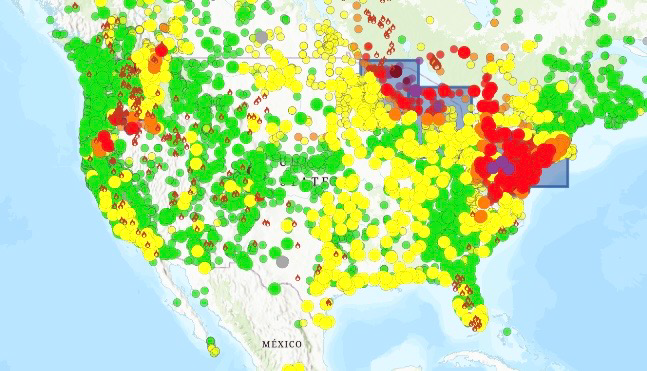
The impacts of the Canadian wildfires are causing great concern and harm across the United States. Since the U.S. first started to experience the impact of the wildfires, EPA has been working around the clock on behalf of impacted Americans. The agency is using our resources to monitor air quality and provide the public with timely access to our data. We are in direct communication with the Canadian government, as well as federal, state, local, and Tribal partners. We are going to remain continuously engaged with Canadian leadership at the highest levels of their government and strongly encourage them to do everything in their power to extinguish these fires as fast as possible. EPA will do everything in the agency’s authority to continue to protect human health and the environment throughout this event. Providing clean air for all Americans remains a top priority of the EPA. For the most up to date information, visit: fire.airnow.gov.
|