|
|
Welcome to The Water Wire, a snapshot of all water power funding opportunities, upcoming events, and recent news. This month’s newsletter takes approximately 3 minutes to read.
Reach out to the U.S. Department of Energy’s (DOE’s) Hydropower and Hydrokinetic Office (H2O) at with any inquiries or suggestions. Follow the Office of Critical Minerals and Energy Innovation’s (CMEI) X, Facebook, and LinkedIn channels for news, announcements, and water power content. Connect with CMEI's Energy Technology Pillar through its LinkedIn account.
|
|
Water Power Announcements and Features |
|
|
DOE is accepting applications for coastal, remote, and island communities looking to improve the affordability, reliability, and security of their energy systems through ETIPP. The program helps local leaders pursue energy goals through technical analysis and planning support from energy experts at National Laboratories and from regional partner organizations that understand the local energy landscape. Applications are due TODAY, Nov. 18, 2026.
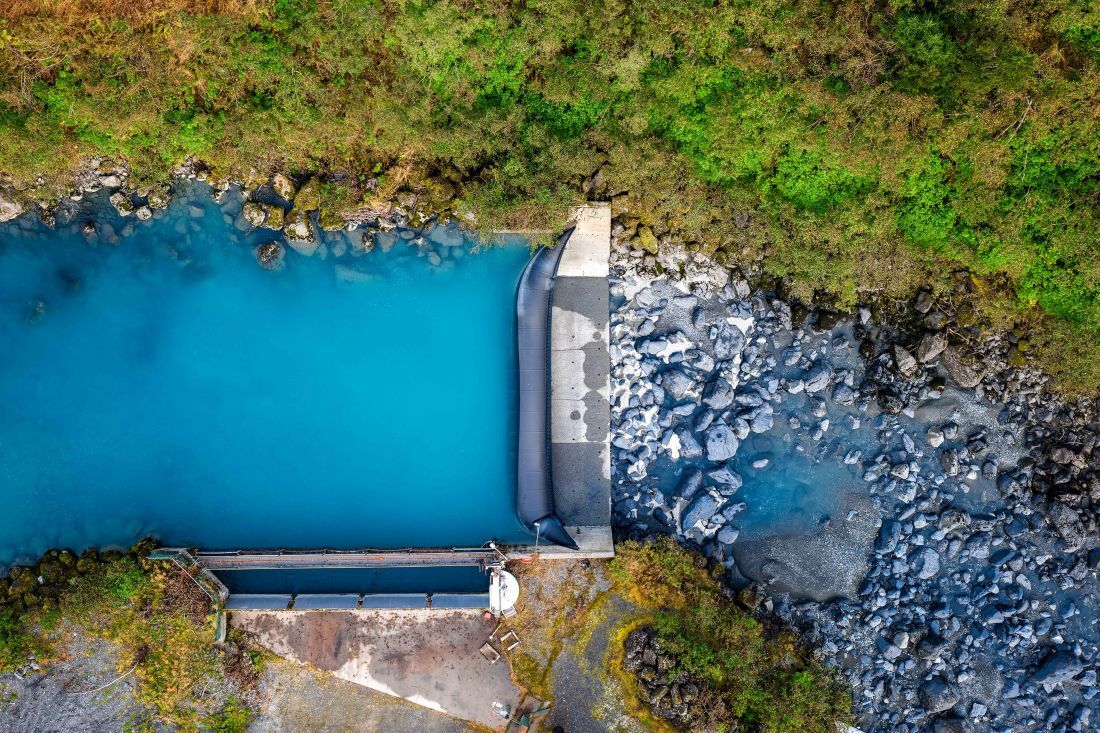 Located 7 miles east of Cordova, Alaska, the Power Creek Dam Project has a total installed generating capacity of six megawatts and is a key element in ensuring Americans in remote communities have access to affordable and reliable energy options.
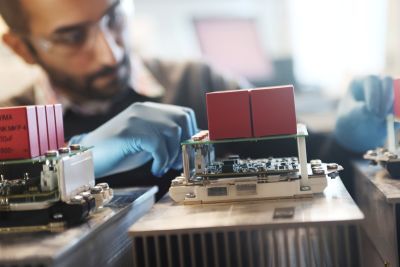
DOE announced the Fall 2026 SBIR and STTR Phase I Topics, unlocking more than $200 million in federal support for American small businesses that are developing innovative technologies with strong commercial potential. Some of the areas of interest listed in the solicitation under the Cutting Edge Generation and Power Management Technologies topic include hydropower, pumped storage hydropower, marine energy, and integrated energy-water technology solutions. Applications are due Dec. 16, 2026.
|
|
|
|
Dec. 9, 2026, 3 p.m. ET, Webinar
The Guide for Co-locating Aquaculture and Marine Energy, developed by the Pacific Northwest National Laboratory (PNNL), is now publicly available. The guide consolidates information on this emerging area, covering potential applications, opportunities and challenges, spatial data resources, and regulatory considerations relevant to co-location in the United States. It draws on research into aquaculture energy needs and marine energy resources to provide context for marine energy developers and aquaculture operators exploring potential projects.
|
|
|
PNNL published a report on a scalable digital twin (DT) framework developed to support America’s existing fleet of hydropower dams. The DT framework is built on the application of a long short-term memory algorithm, enabling high-fidelity modeling and real-time monitoring of energy asset operations. The report uses data collected from Alder Dam to showcase the DT’s capabilities.
PNNL researchers evaluated how water inflow forecast uncertainties impacted hydropower generation and revenues. In the report, researchers explain how they developed inflow forecasts and a generic hydropower scheduler, the Forecast-Informed Scheduler for Hydropower, to capture non-powered water management objectives and constraints while allowing for varying electricity prices.
PNNL’s recent report examines how dam operators maximize revenues by aligning generation with periods of highest expected prices, and how these scheduling decisions may in turn influence the prices of energy. The study quantifies the importance of hydrologic forecast accuracy in correctly predicting electricity prices and compares that with the influence of dam operators’ own hourly scheduling decisions on realized market prices. The team found that aligning generation schedules with periods of high forecasted prices often caused larger, inadvertent price forecast errors.
|
|
|
|