|
Hydropower Highlighted at Detroit Dam
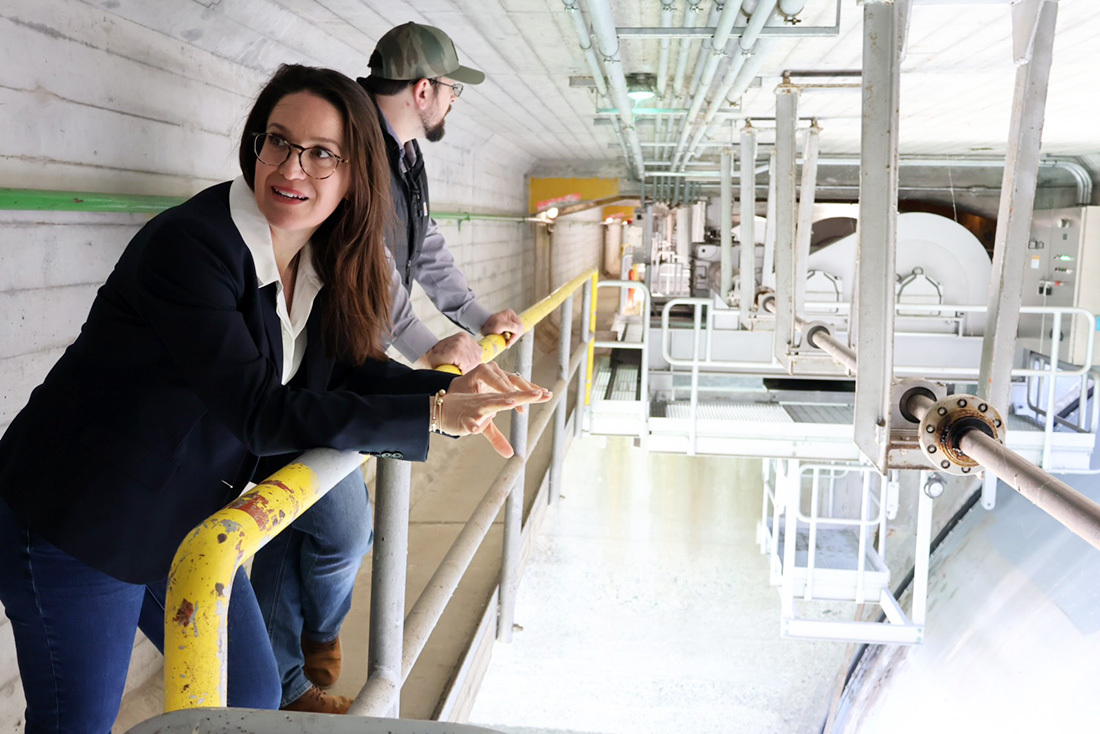
This week, Assistant Secretary of Energy Audrey Robertson and CMEI Chief of Staff Rachael Overbey traveled to rural Oregan for visits to the Detroit Dam and Big Cliff Dam. During the tour, Assistant Secretary Robertson and Chief of Staff Overbey were briefed on regional challenges and the need to modernize dams across the nation. Currently, the average hydropower facility in the United States is over 60 years old.
|
|
Energy Challenges Focus of Buildings Summit
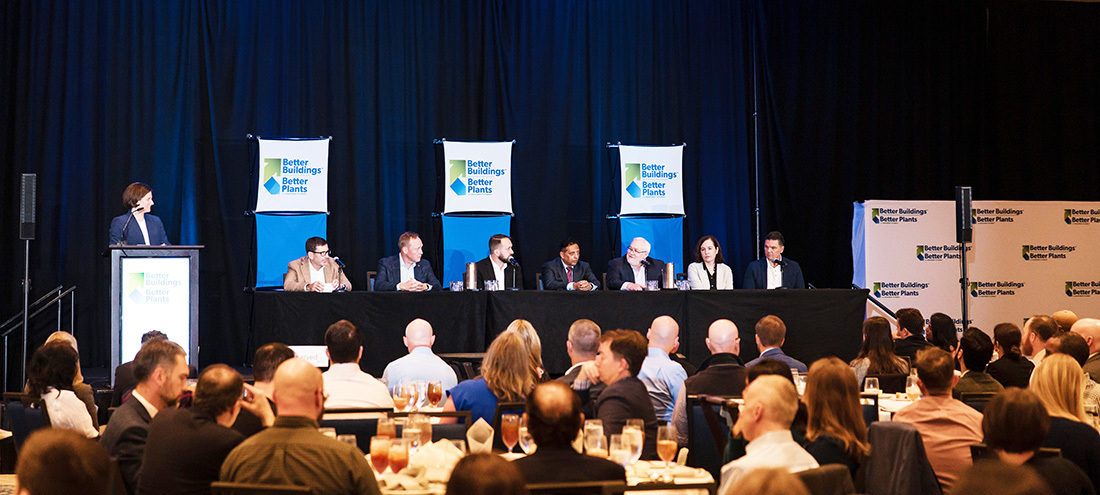
This week, CMEI leaders participated in the Better Buildings, Better Plants Summit in Arlington, Virginia, focused on emerging technologies and innovative solutions to address our nation’s top energy challenges. CMEI leaders connected with changemakers in the energy sector to discuss the office’s projects and priorities. “My goal for CMEI is to ensure America's energy future is secure, affordable, and built on American innovation,” said Assistant Secretary Robertson in remarks for the event. “This means fortifying our critical mineral supply chains, boosting domestic manufacturing, and driving technological advancements that transform our energy systems.”
|
|
Out-of-This-World Energy Technologies
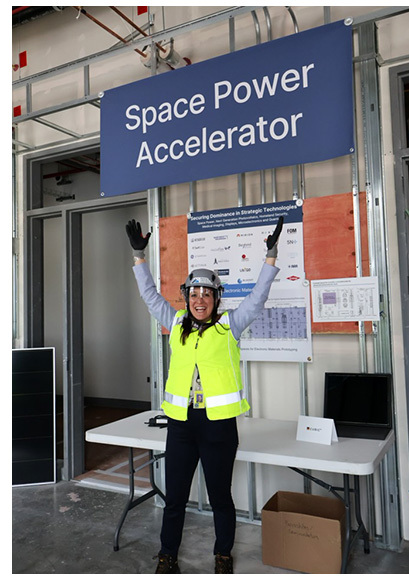
During a tour of the Energy Materials and Processing at Scale facility now under construction at the National Laboratory of the Rockies, Assistant Secretary Robertson visited several future lab spaces, including the Space Power Accelerator. This environmentally controlled lab will host equipment for fabricating and packaging next-generation photovoltaic technologies at industrially relevant sizes. The lab seeks to quickly scale-up high performance, low-cost energy technologies to power satellites, spacecraft, and other space-based assets.
|
|
|
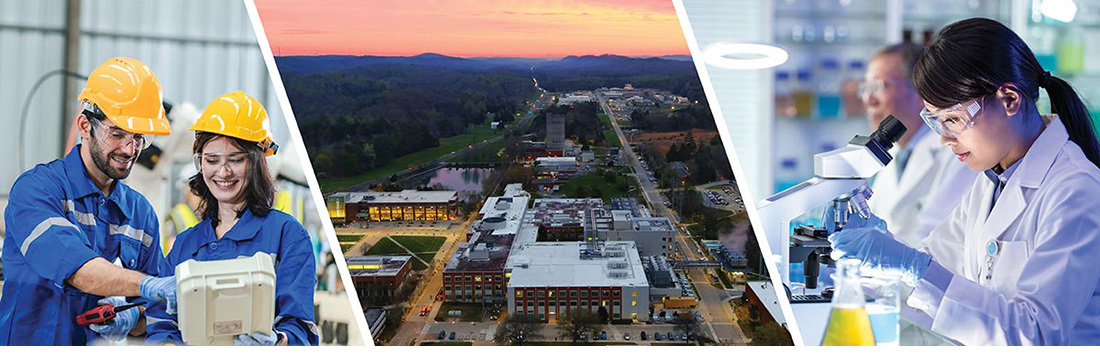 Industrial Innovation Through Private Capital
CMEI announced a new program concept called the Industrial Technology Capital Connector designed to spark cooperation between private-sector investors and DOE-supported technology developers. The effort kicked off with a request for information to inform the design of the program. With funding sometimes a key barrier that inhibits innovation, the program will create an expedited process to facilitate greater investment from American businesses to enable the rapid transition of energy innovations from the lab to the factory floor. These technological innovations will have far-reaching impact—from supporting data center energy needs to improving the manufacturing processes of critical products and commodities like steel and chemicals that Americans rely on every day.
|
|
 Panel Looks at Mineral Security
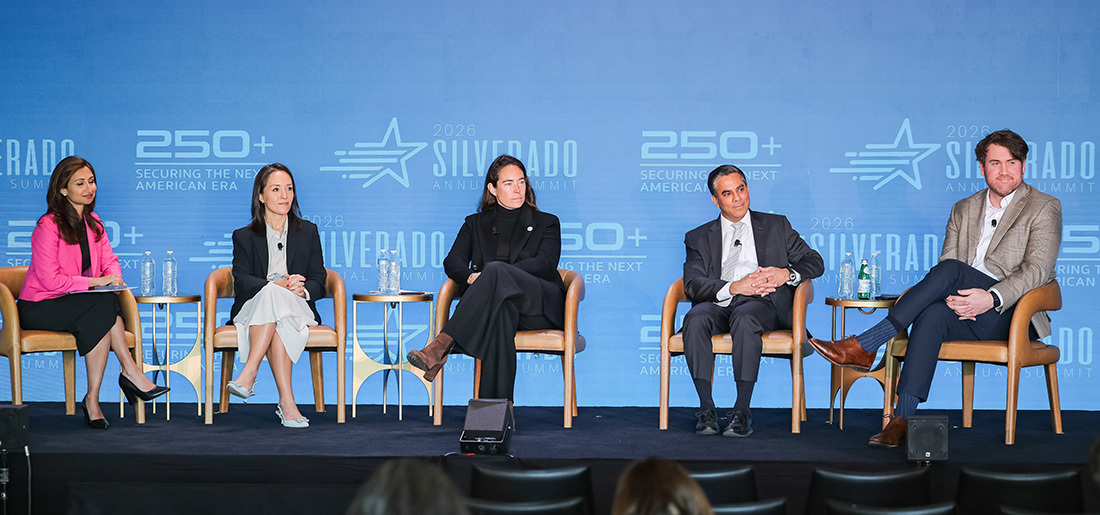
Mineral security requires a whole-of-government approach that includes investment, partnership, and innovation according to a panel at the Silverado Policy Accelerator held on May 1, 2026. Principal Deputy Assistant Secretary Michael Helmer represented CMEI on the panel and discussed the many office efforts focused on critical minerals recycling, recovery, and innovation. He mentioned that innovation is key in restoring domestic supply chains, bringing back manufacturing, and ensuring national and energy security.
|
|
Follow the Office of Critical Minerals and Energy Innovation on
LinkedIn, Facebook, and X. |
|
|
|