|
WELCOME!
Welcome to the inaugural edition of the Integrated Energy Insider, the first newsletter from the U.S. Department of Energy (DOE) Integrated Energy Systems Office (IESO). Bringing solar and wind energy technologies together under one office, IESO is dedicated to advancing a strategic approach to research and developing advanced energy solutions. IESO’s work focuses on enhancing grid reliability and resilience, fostering U.S. technological leadership across diverse energy generation sources, and lowering energy costs for Americans.
This monthly newsletter will deliver the latest updates from our office directly to you. Expect key announcements, including funding opportunities, prize competitions, project selections, exciting events, upcoming deadlines, and more. If someone forwarded this newsletter to you, you can subscribe here to receive future editions.
|
|

IESO announced the pitch champion and division winners of the Solar District Cup Collegiate Design Competition for the 2025-2026 class. Congratulations to NC State University for winning the pitch competition out of the pool of division winners: Columbia University Sustainable Energy, Santa Clara University, and Texas A&M Team Voltaris. The competition challenges multidisciplinary student teams to design distributed energy systems for real world districts, building skills across engineering, planning, finance, and communications. View the full list of finalists. View the full list of finalists.
|
|
|
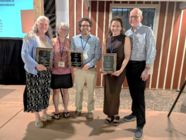
IESO researchers Cynthia Bothwell and Robert Reedy, and Will Gorman of Lawrence Berkeley National Laboratory (LBNL) received an award for advancing grid reliability and modern interconnection standards. The Energy Systems Integration Group (ESIG) presented its Excellence Award in recognition of IESO’s leadership of the Interconnection Innovation e-Xchange (i2X) initiative, and their efforts through the Implementation of Reliability Standards for Transmission (i2X FIRST) to implement IEEE 2800-2022. The award highlights IESO’s work to translate national standards into clear, consistent practices for connecting inverter-based resources to the power grid.
|
|
|

DOE announced the launch of the Genesis Mission Consortium, a public-private partnership advancing the Department's Genesis Mission to harness the power of artificial intelligence (AI) to accelerate scientific discovery, strengthen national security, and ensure America leads in energy and emerging technologies. The consortium brings together technical capabilities and expertise from DOE, national laboratories, private sector leaders, and academic institutions and will help identify high-value partnerships, strengthen collaborative responses to funding opportunities, and provide a coordinated access point for members and their resources. This effort helps accelerate how new technologies move from research to real-world use, supporting more reliable and affordable energy for Americans.
|
|
|
Research & Development Spotlight |
|
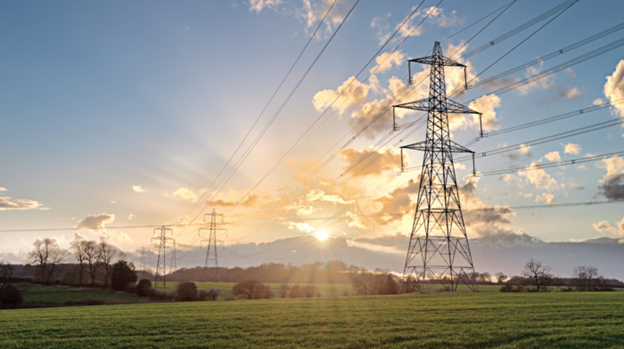 DOE supports efforts to modernize the U.S. power grid through research, demonstration, and commercialization of grid-enhancing technologies like dynamic line rating, a tool that helps grid operators increase the amount of power a transmission line can carry using real-time weather data. Since 2010, DOE and Idaho National Laboratory (INL), have supported software tools and partnerships to integrate dynamic line rating into utility operations. This research has been incorporated into national and international standards and proposed Federal Energy Regulatory Commission rules, leading to significant cost savings, increased capacity on transmission lines, and improved performance while maintaining grid reliability. In a project co-funded by CMEI and DOE's Office of Electricity, Pitch Aeronautics is using drones to install 35 sensors on Idaho Power transmission lines to relay real-time data on weather and line conditions, giving the utility the data it needs to safety maximize existing transmission infrastructure. This effort reinforces DOE's commitment to securing and strengthening our nation's power grid, especially as our energy needs grow from an increase in energy demand.
|
|
|
DOE announced new funding opportunities through i2X to reduce interconnection costs and improve grid performance. The Interconnection Cost Reduction Solutions for the Distribution Grid (iCRS-D)and Transmission (iCRS-T) programs will support projects that streamline interconnection processes, enhance data access, and strengthen grid reliability and affordability.
|
|
DOE selected 28 projects for the spring 2028 Energy I-Corps cohort. Selected projects include IESO-funded Team 273 (TLC Carbon Fiber - Oak Ridge National Laboratory), which improved carbon fiber composite performance, and co-funded Team 286 (Nano-Magnet - Ames National Laboratory), which develops cost-effective nanograin magnets that reduce reliance on rare earth materials.
|
|
|
DOE announced a $50 million funding opportunity to support Tribal-led energy projects that advance affordable, reliable, and secure energy for tribes. The funding supports planning, development, and deployment of community and large-scale projects to expand electricity access, reduce costs, and strengthen Tribal energy infrastructure.
|
|
DOE selected five projects to restart domestic primary gallium recovery and establish a secure U.S. supply chain. Projects focus on recovering gallium from industrial feedstocks and recycling streams using innovative processes. These efforts support semiconductor and defense needs while expanding domestic production capacity and reducing reliance on foreign sources.
|
|
Argonne National Laboratory released a report highlighting how artificial intelligence can improve monitoring of bird, insect, and wildlife interactions at solar energy facilities. Using AI-assisted video analysis, researchers identified patterns in wildlife activity to better understand impacts and inform solar project design and sting. |
|
|
|
|






