|
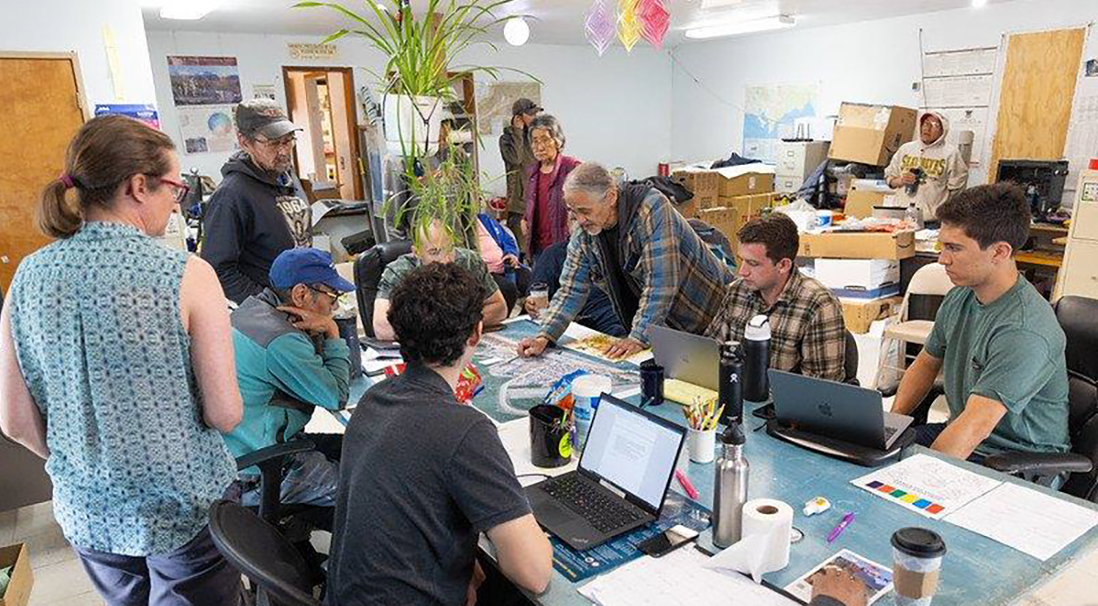 The Geothermal Collegiate Competition 2023 first-place policy team meets with community members from the Native Village of Elim, Alaska, to celebrate and discuss their geothermal project. Photo courtesy of NREL
|
|
|
The Geothermal Collegiate Competition is open for applications, offering an opportunity for students to find real-world geothermal solutions by collaborating with a community. Apply by Oct. 7 to compete.
|
|
|
DOE is offering up to $112.5 million to accelerate the design, fabrication, and testing of wave energy converters—with topic areas consisting of open water testing and system validation for distributed, community, and utility applications.
- Attend the webinar on Oct. 9.
- Submit your concept paper by Oct. 25.
- Apply by Jan. 30, 2025.
|
|
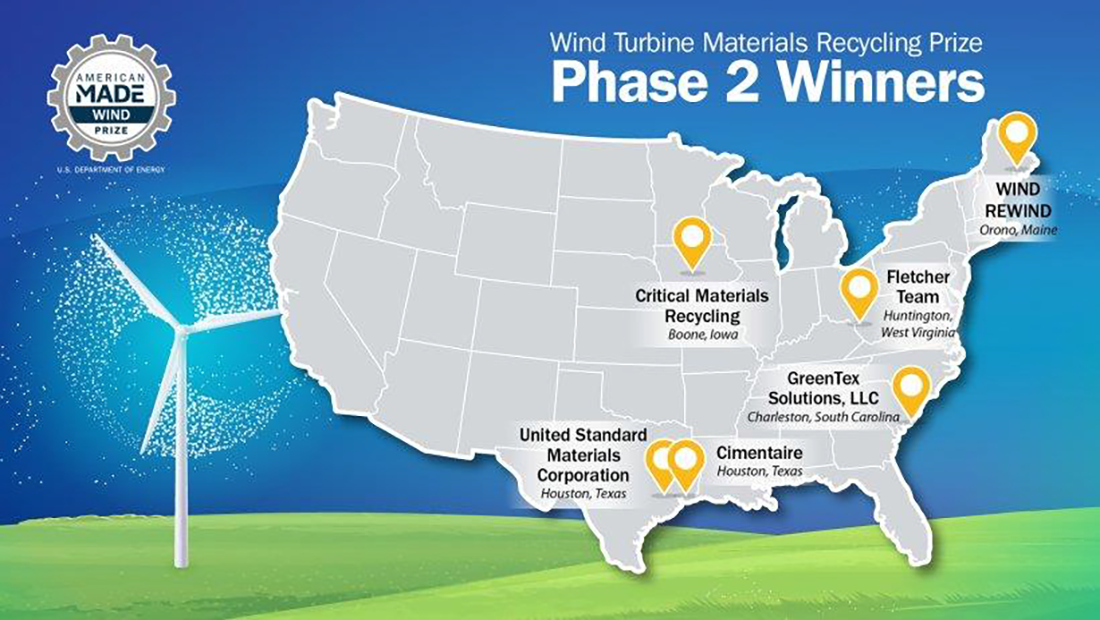 Six teams from across the country won the second phase of the Wind Turbine Materials Recycling Prize. Photo courtesy of NREL
|
|
|
Congratulations to the six final phase winners of the Wind Turbine Materials Recycling Prize! Each team won $500,000 in cash prizes and $100,000 in vouchers to work with DOE national laboratories as they create cost-effective recycling technologies to expand domestic capabilities for recycling and recovering wind materials.
|
|
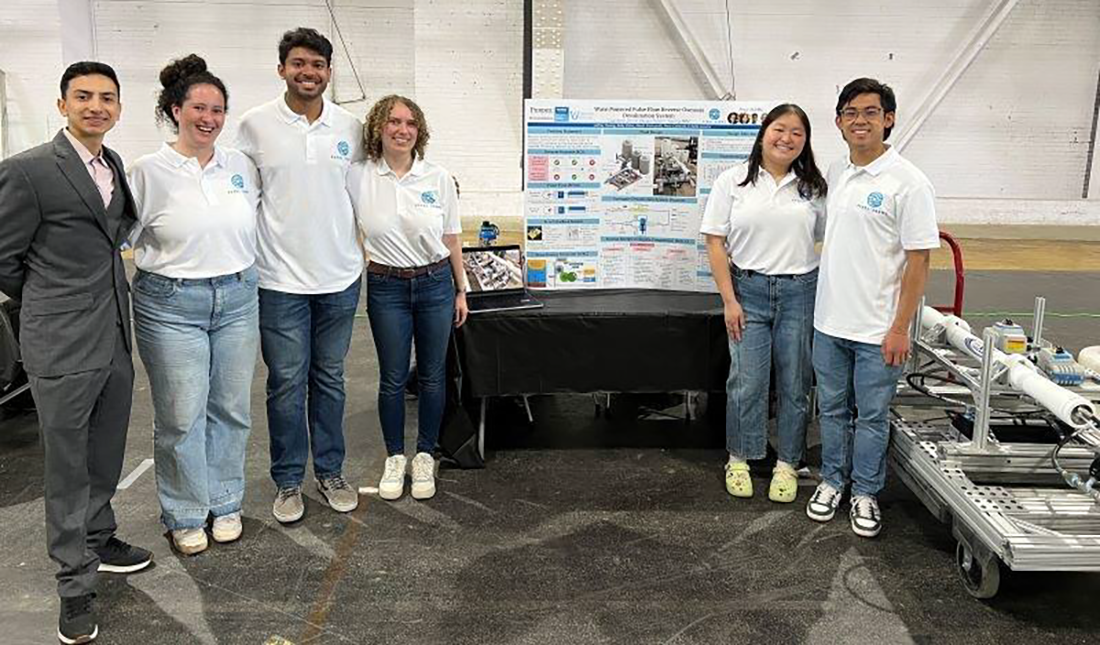 The Purdue team shares their Marine Energy Collegiate Competition project at the Purdue College of Engineering’s Design Showcase event. Photo courtesy of Purdue University Team
|
|
|
The 2024 Hydropower Collegiate Competition and Marine Energy Collegiate Competition winners brought together students, educators, and local groups to create a community around water power education. Hear more from the teams themselves about how they’re teaching people in their communities—and take a look at these hydropower and marine energy career maps.
|
|
|
Congratulations to the Historically Black Colleges & Universities Clean Energy Education Prize Partnerships Track Phase 2 winners, who successfully built partnerships and programs to foster a diverse new generation of clean energy leaders.
|
|
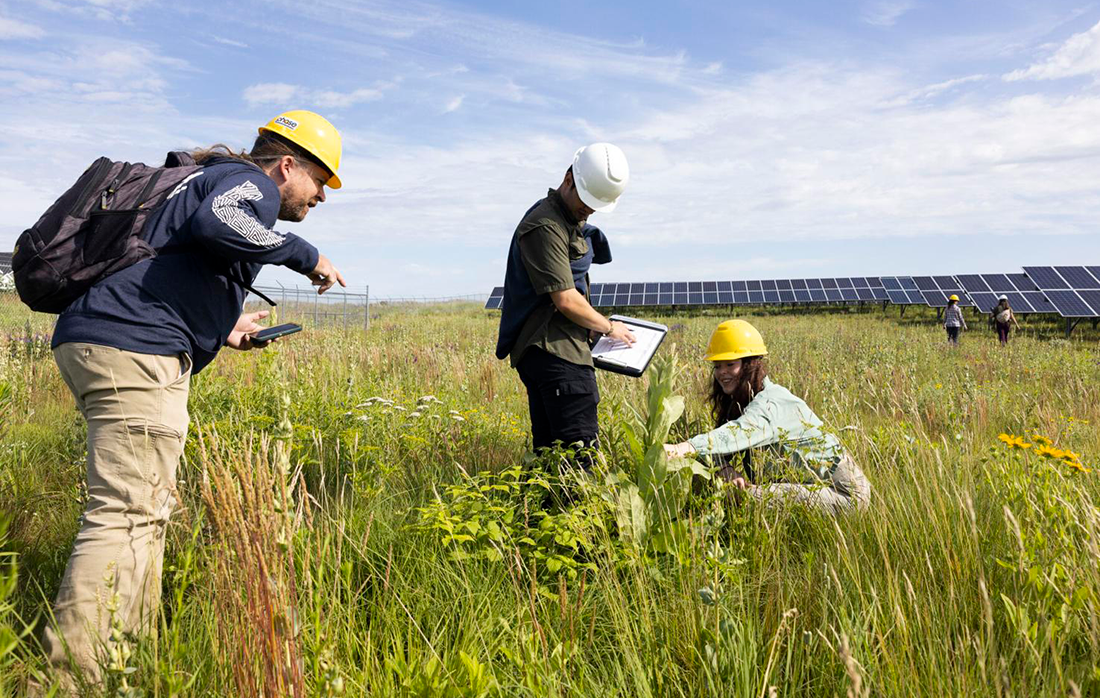 Lee Walston, a landscape ecologist, left, works with students during a plant survey at the Ramsey site. Photo courtesy of Tim Gruber, The New York Times
|
|
|
Anoka County Solar in Ramsey, Minnesota, has brought together a group of developers, biologists, and environmentalists to protect insects and animals while building more solar sites for clean energy.
|
|
Buildings and Industry News |
|
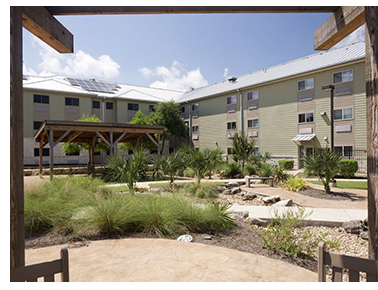
Foundation Communities exemplifies energy efficiency and decarbonization features in their Homestead Oaks Apartments, from a rooftop solar system to energy-efficiency appliances. Learn more about how Foundation Communities is saving its residents up to 50% on their utility bills while practicing energy efficiency.
Pictured: Foundation Communities property. Photo courtesy of Better Buildings
|
|
|
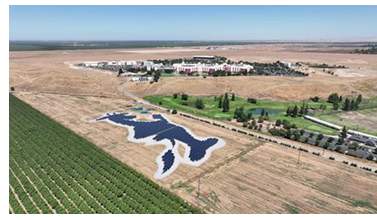
On Sept. 21, DOE joined Valley Children’s Healthcare to break ground on its renewable energy microgrid, a system expected to provide 80% of the energy demand for current hospital services. See how Valley Children’s Healthcare demonstrates that decarbonization, healthcare, and resilience go hand in hand.
Photo courtesy of Valley Children’s Healthcare
|
|
|
Sustainable Transportation and Fuels News |
|
|
DOE is launching the Battery Workforce Challenge Program, a comprehensive workforce development program designed to build and train the domestic workforce for in-demand electric vehicle (EV) and EV battery manufacturing jobs. The first of the program’s nationwide hubs will map out various workforce pathways.
|
|
Clean Energy Champion
 “I remember thinking that if I wanted to help make my homeland more resilient against such disasters, I needed to continue my education,” says hydropower and water systems deployment researcher Miguel Gonzalez Montijo. Photo courtesy of Miguel Gonzalez Montijo
This Hispanic Heritage Month, EERE’s Water Power Technologies Office revisits six stories about diverse water power pioneers. Read about these Clean Energy Champions who fought droughts, scaled dams, and sailed the Pacific on their path to renewable water power.
|
|
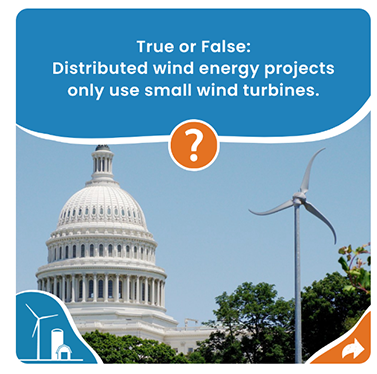
Test your knowledge of distributed wind energy by taking this quiz, offered by the Strategize, Engage, Network, Deploy Distributed Wind (SEND) project.
True or False: Distributed wind energy projects only use small wind turbines.
Answer: False! Distributed wind energy projects are not limited to a specific turbine size or capacity; however, distributed wind projects are comparatively smaller than utility-scale wind farms. In other words, small wind turbines are almost always deployed in distributed wind applications, but distributed wind energy projects do not always include small wind turbines.
|
|
|
Geothermal Technologies Office Quarterly Webinar
Sept. 25 | 1 p.m. ET
|
|
Solar Shaded Canopies and Carports: 30 Years of Performance and Safety
Sept. 25 | 2 p.m. ET
|
|
Hydrogen and Community Benefits Public Forums
Sept. 26 | 12 p.m. ET
|
|
Educating Homeowners on the Benefits of Energy Efficiency
Sept. 26 | 1 p.m. ET
|
|
FY24 Scale-Up of Integrated Biorefineries FOA
Oct. 2 | 11 a.m. ET
|
|
EV Charging Design and Implementation
Oct. 2 | 2 p.m. ET
|
|
|
|