|
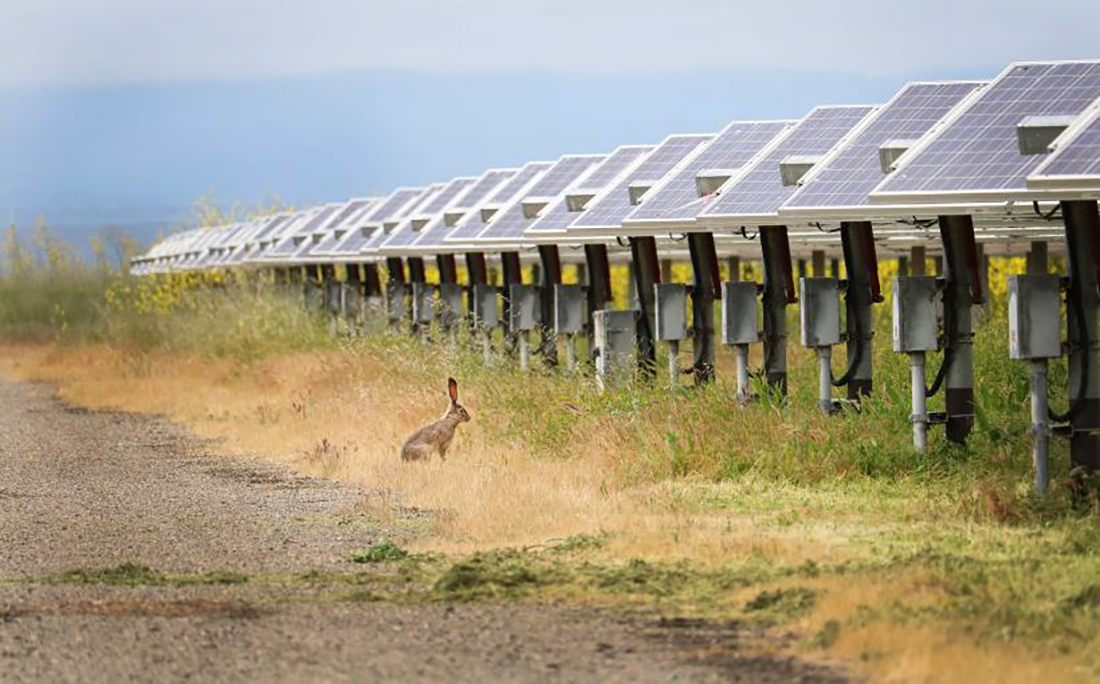 A jackrabbit stands at attention just beyond the cover of a solar array near Hayward, California. Photo courtesy of Brianna Bruce
|
|
|
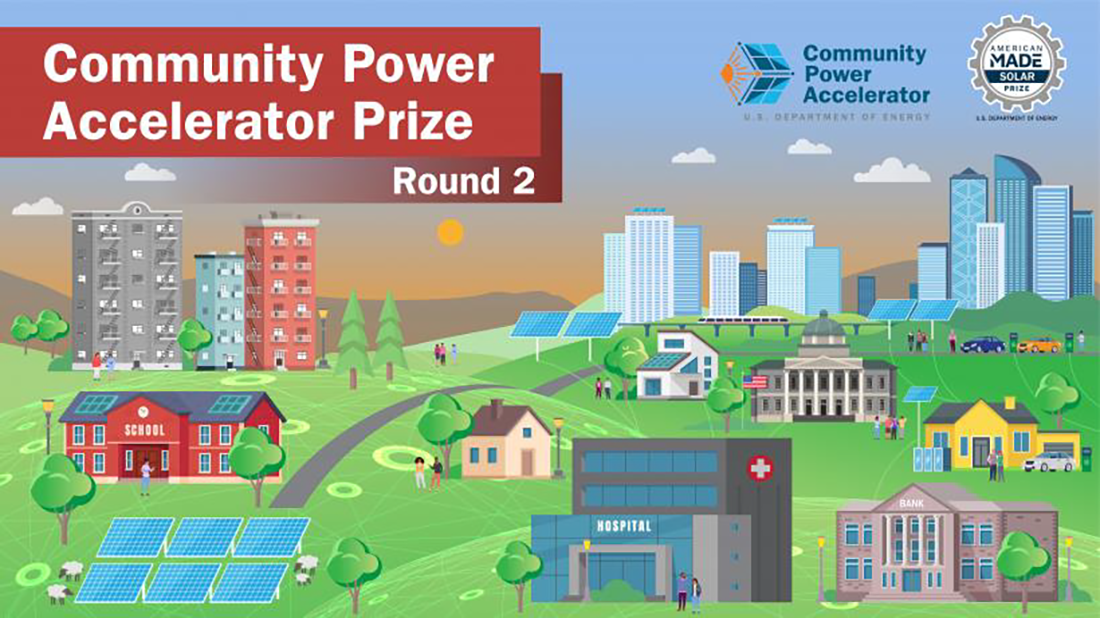
Let’s hear it for the Phase 2 winners of the Community Power Accelerator Prize. DOE selected the first six community solar project teams to advance to the final round of the prize, where they will work toward securing the financing needed to deploy their projects. Read more about the winners and how the Community Power Accelerator Prize fast-tracks the efforts of emerging solar developers.
|
|
|
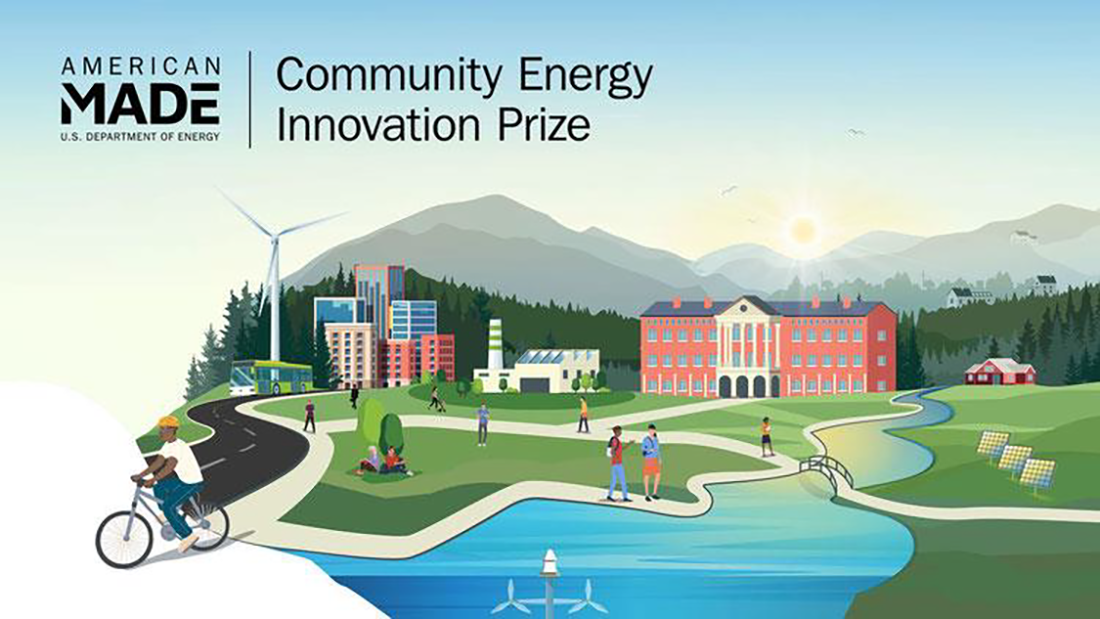
Twenty-one teams in the Manufacturing Ecosystem and Clean Energy Ecosystem tracks of the Community Energy Innovation Prize each received $100,000 for showing progress with their community-based projects. These PROGRESS Phase winners will move on to the final IMPACT Phase of the prize with a chance to win a portion of the $1.5 million Grand Prize. Learn more about the winning teams’ projects.
|
|
|
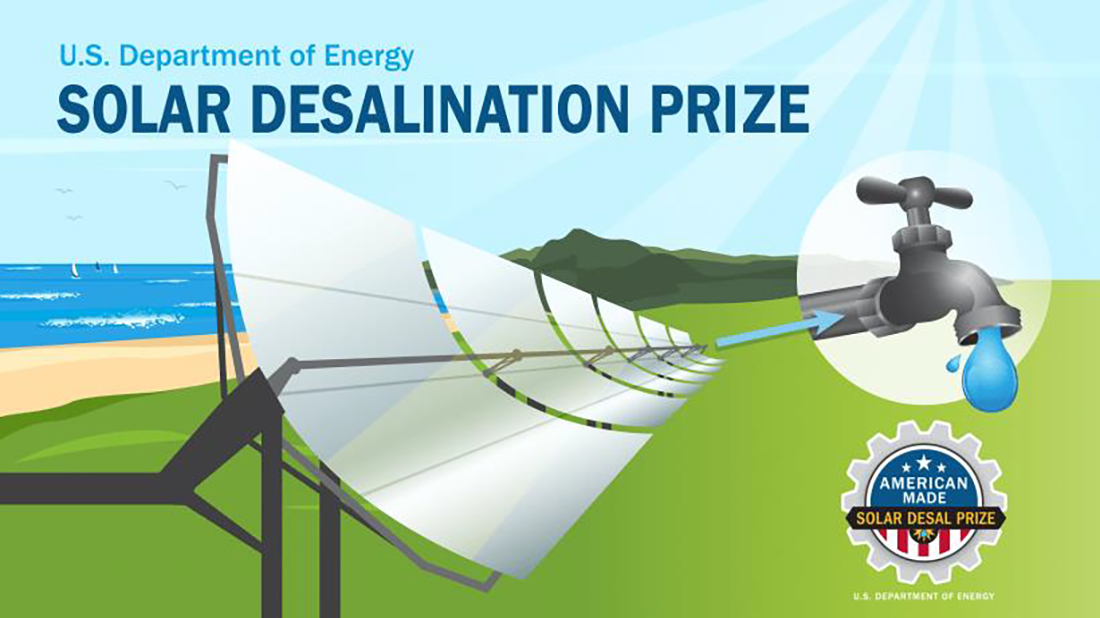
Congratulations to GreenBlu and Solar Desalt, two more American-Made Solar Desalination Prize finalists. This competition aims to accelerate the development of low-cost desalination systems that use solar-thermal power to produce clean water from salt water. Learn more about the Solar Desalination Prize finalists and their projects.
|
|
In Case You Missed It
 Submit your photo of America’s industrial transformation by November 2024. Winners of six photo categories will share a $27,000 prize pool.
EERE’s Industrial Efficiency and Decarbonization Office launched the Framing the Future: Industrial Technologies Photo Contest, a new prize in search of the best photos showcasing the innovative technologies, processes, and people that help decarbonize the U.S. industrial sector. A total prize pool of $27,000 will be distributed over six categories, so learn more about how to compete, and don’t forget to submit your photo by November 21.
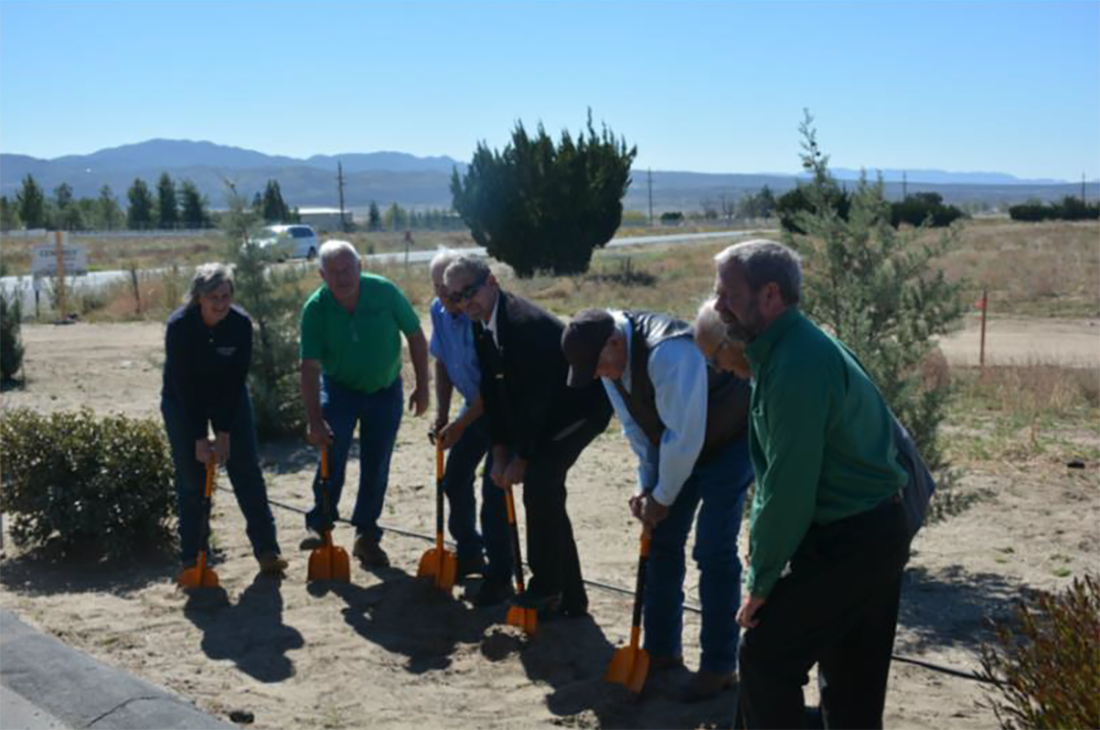 Anza Electric Cooperative built a community solar project on the Tribal Santa Rosa Islands of the Cahuilla Band of Indians. The project will help to enable access to affordable solar energy options for their Tribal members and other low- and moderate-income consumer-members.
Community solar projects make solar energy more accessible and affordable to their residents. But the majority of them are only in four states; that’s why the National Rural Electric Cooperative Association (NRECA) launched the Achieving Cooperative Community Equitable Solar Sources (ACCESS) project. Funded by SETO, the ACCESS project successfully implemented five community solar programs in rural areas. Visit NRECA’s ACCESS web page and explore SETO’s equitable solar access research to learn more.
|
|
|
DOE and the National Science Foundation (NSF) announced the second cohort of geothermal interns in the NSF INTERN program, which offers valuable on-the-job training and professional development for science and engineering graduate students. This diverse group of 24 students will work with geothermal companies, national laboratories, and state agencies on projects that advance geothermal technologies. Learn more about the students working to advance our clean energy future through geothermal energy.
|
|
|
EERE’s Water Power Technologies Office recently invested over $41 million in four university-led National Marine Energy Centers (NMECs) located across the country. Marine energy technologies harness the power from waves, tides, and ocean and river currents to transform it into clean electricity, and these NMEC projects are working toward advancing marine energy research and development (R&D) to do just that. Learn more about these marine energy R&D projects that will work toward creating a stable, reliable clean energy grid.
|
|
|
According to DOE’s 2024 editions of the annual market reports, the Inflation Reduction Act has led to increases in near-term wind deployment forecasts, motivating billions of dollars of investment in the domestic wind supply chain. Last year, wind power provided more than 10% of U.S. electricity, accounted for 12% of electricity capacity, and supported more than 125,000 American jobs. Take a look at the reports to learn more about wind energy’s potential as one of the most cost-effective sources of electricity in America.
|
|
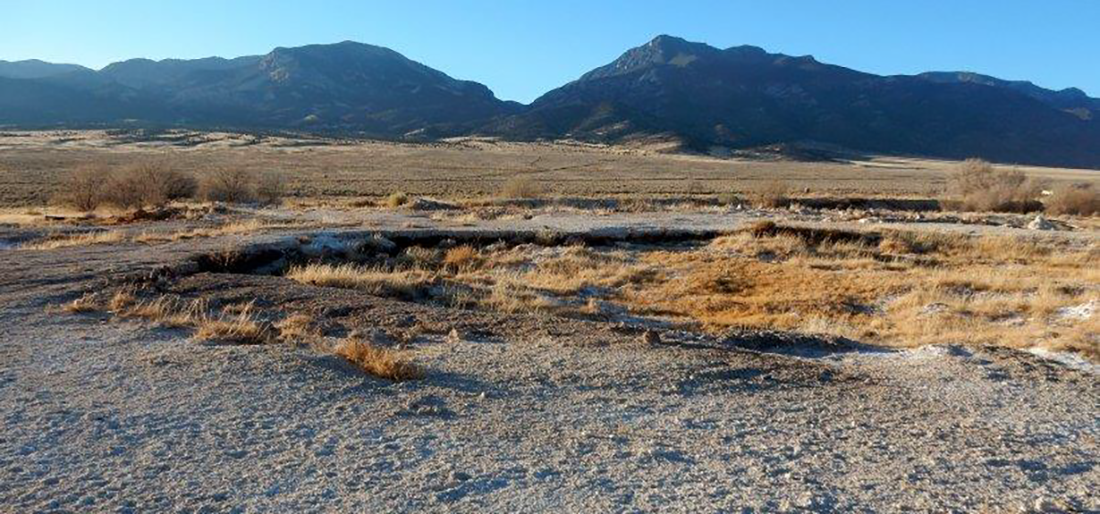 Pictured: Monte Neva Hot Spring, Steptoe Valley. Photo courtesy of Nick Hinz
|
|
|
Many geothermal resources are “hidden” in permeable rock layers in Earth’s subsurface without any visible signs on the surface—so how do we know where to drill to access it? With funding from EERE’s Geothermal Technologies Office, a research team from Sandia National Laboratories set out for Steptoe Valley in Nevada and used geophysical imaging to visualize the subsurface, enhancing our understanding of northern Steptoe Valley’s stratigraphic resources. Learn more about the project team’s findings.
|
|
|
DOE selected six projects to receive up to $31 million to improve the construction of enhanced geothermal systems (EGS) and demonstrate how reservoir thermal energy storage (RTES) can reduce energy needs. Advancing EGS could provide 90 gigawatts of power to the U.S. grid by 2050—enough to power more than 65 million U.S. homes—according to a recent DOE analysis. Not to be outdone, RTES technology can store thermal energy in underground reservoirs for 100+ hours. Learn more about how these projects will advance U.S. geothermal energy.
|
|
ZEV and EV Charging Fundamentals
Aug. 29 | 12 p.m. ET
|
|
LEEP Request for Feedback Informational Webinar
Aug. 29 | 12 p.m. ET
|
|
Wind-Wildlife Constraints to Buildout: Operations
Sept. 3 | 4 p.m. ET
|
|
LEEP Cohort 2025 Applications Webinar
Sept. 4 | 1 p.m. ET
|
|
U.S. Hydropower Supply Chain: Gaps and Remedies
Sept. 5 | 10:30 a.m. ET
|
|
Solar Decathlon 2025 Design Challenge Kickoff
Sept. 10 | 12 p.m. ET
|
|
NOWRDC’s Solicitation 4.0
Sept. 10 | 1 p.m. ET
|
|
|
|