How Biodegradable Polyurethane Could Solve the Microplastic Pollution Problem
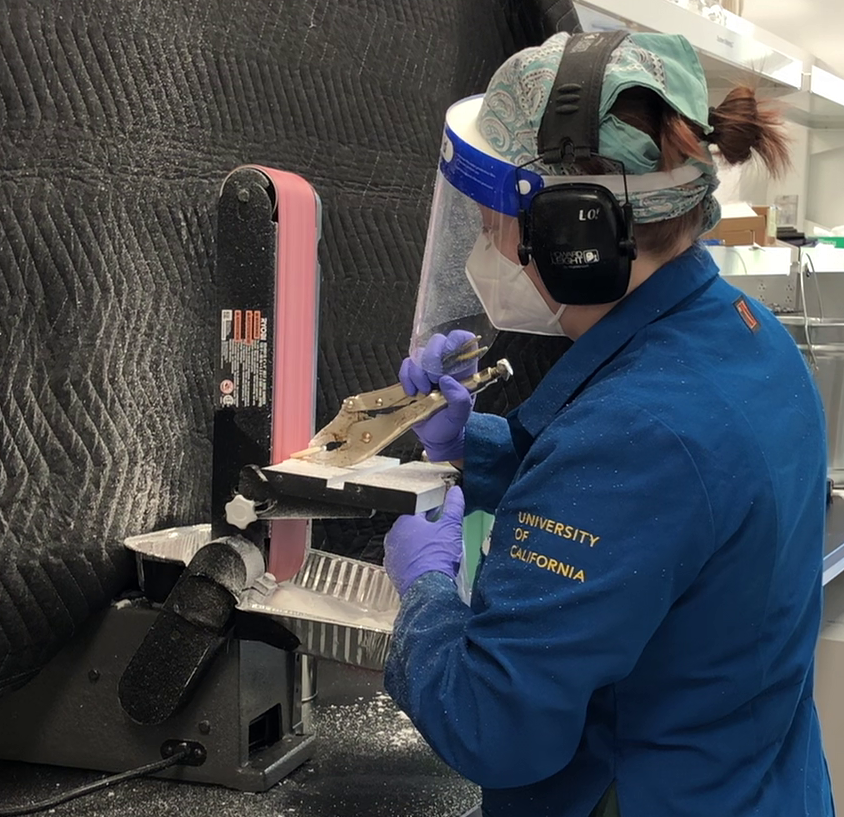
Soleic® thermoplastics were ground into microplastics. Credit: Ryan Simkovsky. © Permission is granted to reproduce as per creative commons license 4.0 (https://creativecommons.org/licenses/by/4.0/).
Polyurethane is everywhere. From foam cushions and adhesives, to coatings and synthetic fibers, this versatile polymer is a significant presence in our daily lives. But there's a catch; while uses of polyurethane plastics offer many advantages, its non-biodegradable nature means it can stick around in the environment for a long time, contributing to the global microplastic pollution crisis that damages our ecosystems and our health.
However, a new study from a U.S. Department of Energy (DOE) Bioenergy Technologies Office (BETO) funded startup, Algenesis Corporation and the University of California San Diego has demonstrated the ability to formulate high-quality polyurethane products that generate no persistent microplastics. By utilizing some clever chemistry and sourcing oil from algae instead of petroleum, they can produce polyurethane plastics, including waterproof fabrics and cell phone cases, that biodegrade naturally in the environment.
The promise of high-quality yet biodegradable polyurethane plastics offers hope in the fight against microplastic pollution. By working with nature rather than against it, we can create a more sustainable future where our materials leave a positive impact on the planet and do not compromise our health.
Read more about this study on BETO’s Bioprose: Bioenergy R&D blog.
BETO supports technology research, development, and demonstration to accelerate greenhouse gas emissions reductions through the cost-effective and sustainable use of biomass and waste feedstocks across the U.S. economy. BETO is part of DOE's Office of Energy Efficiency & Renewable Energy.
Stay up-to-date with the latest BETO news!
Sign up to receive regular communications about BETO vacancy announcements, webinars, workshops, Bioprose: Bioenergy R&D Blogs, funding opportunities, and technical reports.
|