|
|
DOE’s Voucher Program has reopened and now includes two brand-new opportunities! This program’s goal is to help small businesses and other non-traditional partners access testing facilities and expertise to advance their energy projects, offering $15 million in funding to support manufacturers and accelerate the adoption of clean energy technologies. Learn more about the available voucher opportunities and apply by July 9!
|
|
|
EERE’s Hydrogen and Fuel Cell Technologies Office (HFTO) has partnered with the U.S. National Science Foundation to launch Hydrogen INTERN, a program that offers STEM grad students six-month research internships. Selected students will have their choice of various internship locations, including industry settings, non-profit organizations, national laboratories, and more! Read the announcement for a chance to join the rapidly growing hydrogen industry and take advantage of high-quality energy career opportunities.
|
|
|
Interested in jumpstarting your career in solar energy? Apply for a fellowship within EERE's Solar Energy Technologies Office (SETO)! SETO supports several fellowships that align with its mission to decarbonize the economy by 2050, so apply by July 15 to get involved and develop your skillsets!
|
|
|
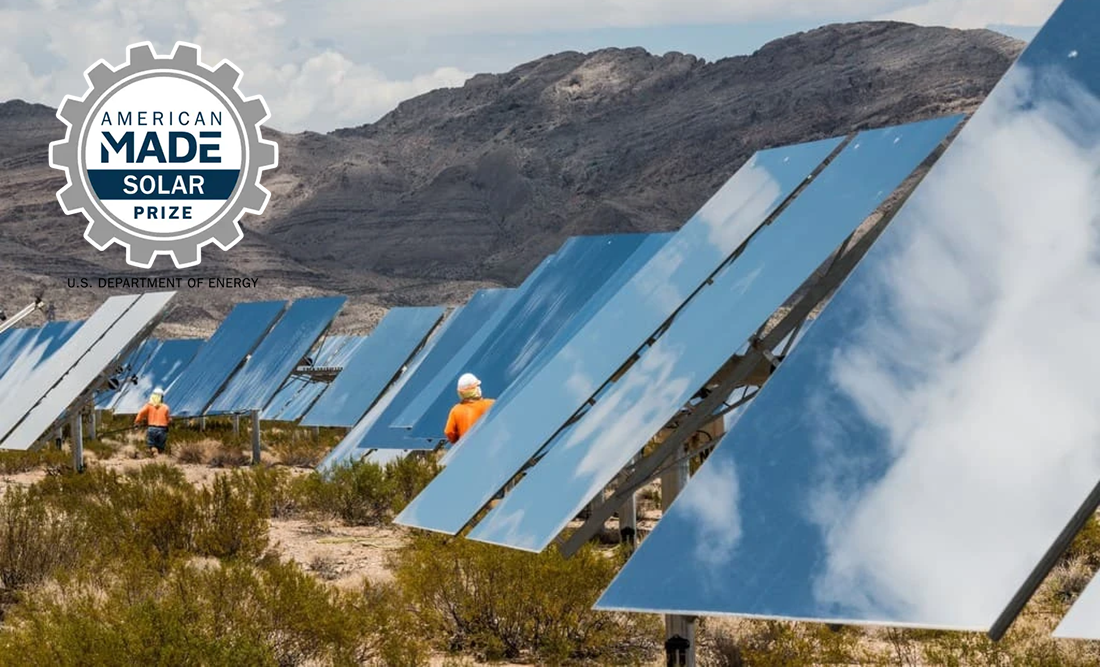
Congratulations to the six finalists of the American-Made Heliostat Prize! This prize aims to accelerate technology innovation and reduce the cost of heliostats—devices that tilt mirrors to track the sun and reflect it toward a receiver to generate concentrating solar-thermal power (CSP). Learn more about the finalists who will go on to compete for a chance to win the Grand Prize!
|
|

Congratulations to the H2 Twin Cities program winners! This competition, from HFTO in partnership with the Clean Energy Ministerial, aims to accelerate the global adoption of clean hydrogen technology by connecting cities and communities and enabling them to share ideas with each other. To learn more about how the H2 Twin Cities winners united cities, encouraged communities to share knowledge, and facilitated relationships in the clean hydrogen industry, read the full announcement.
|
|
|
In Case You Missed It
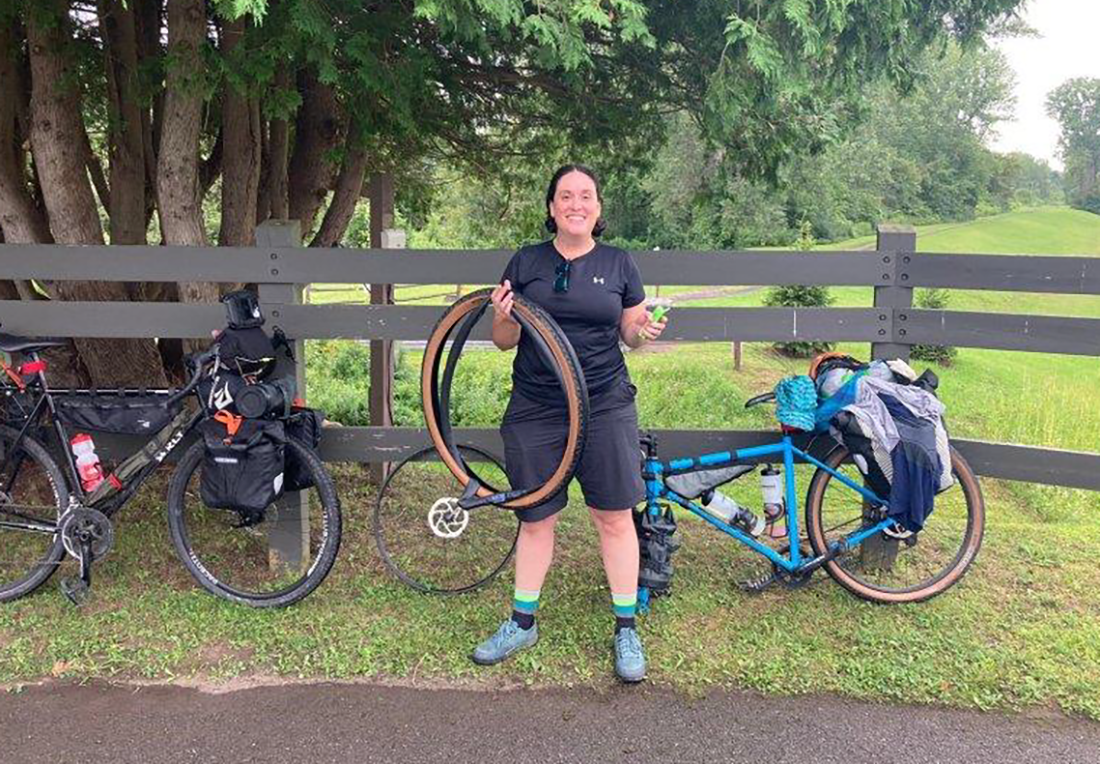 When Meegan Kelly isn’t working to help the U.S. industry decarbonize, she’s probably on an overnight bike-packing trip (yes, you read that right; bike-packing is essentially backpacking on a bike). Photo courtesy of Meegan Kelly
Initially, Meegan Kelly wanted to be a rock journalist for Rolling Stone magazine. Now, she oversees the installations of energy systems like solar panels, wind turbines, and energy storage, helping to affordably reduce carbon emissions. Read more to find out how Kelly fell in love with the outdoors and ended up following in her mother’s footsteps—even going further in the fight against climate change!
|
|
Buildings and Industry News |
|

There are almost 130 million buildings in the United States, and they cost over $400 billion per year to heat, cool, light, and power. That’s why DOE recently announced a National Definition of a Zero Emissions Building, a standard definition that clarifies and supports the clean energy building sector. Read more to learn how the Zero Emissions Building Definition will accelerate climate progress and help lower home and business energy bills.
|
|
|
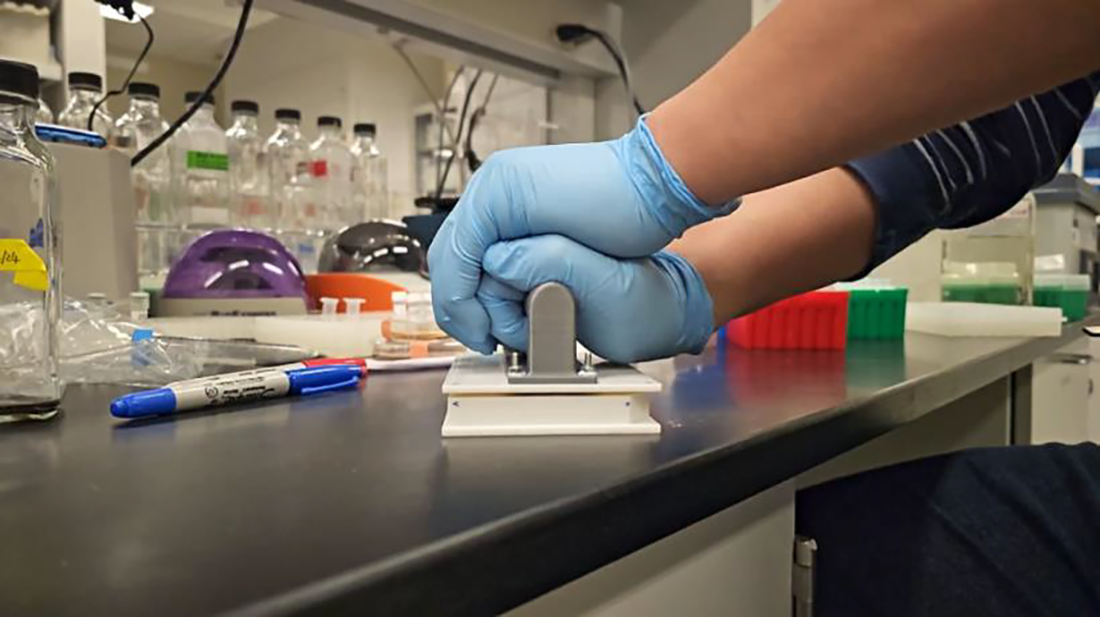 Guoliang Yuan was manually squashing the spores of Aspergillus niger using specially designed 96-well plate for mutant screening. Image courtesy of Jasmin Alvarez
|
|
|
Pacific Northwest National Laboratory (PNNL) is accelerating biofuel development with a new fungi polymerase chain reaction (PCR) “squashing” technique! With support from EERE’s Bioenergy Technologies Office (BETO) and the Agile BioFoundry consortium, PNNL researchers found that simply squashing the fungal spores rather than the fungal biomass yields high-quality DNA samples for PCR. Learn how this new technique reduces the three-day PCR process into just three minutes!
|
|
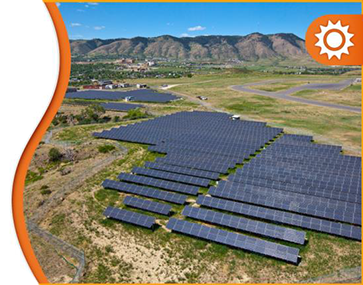
Solar power can support stronger economies and increase access to reliable and affordable clean energy resources—so DOE is investing $9.5 million in four new projects that will examine how public perception and community engagement impact solar deployment. Learn more about how these projects will work to understand the social dynamics behind solar siting, helping communities across America make informed decisions about their energy needs.
|
|
|
Sustainable Transportation and Fuels News |
|
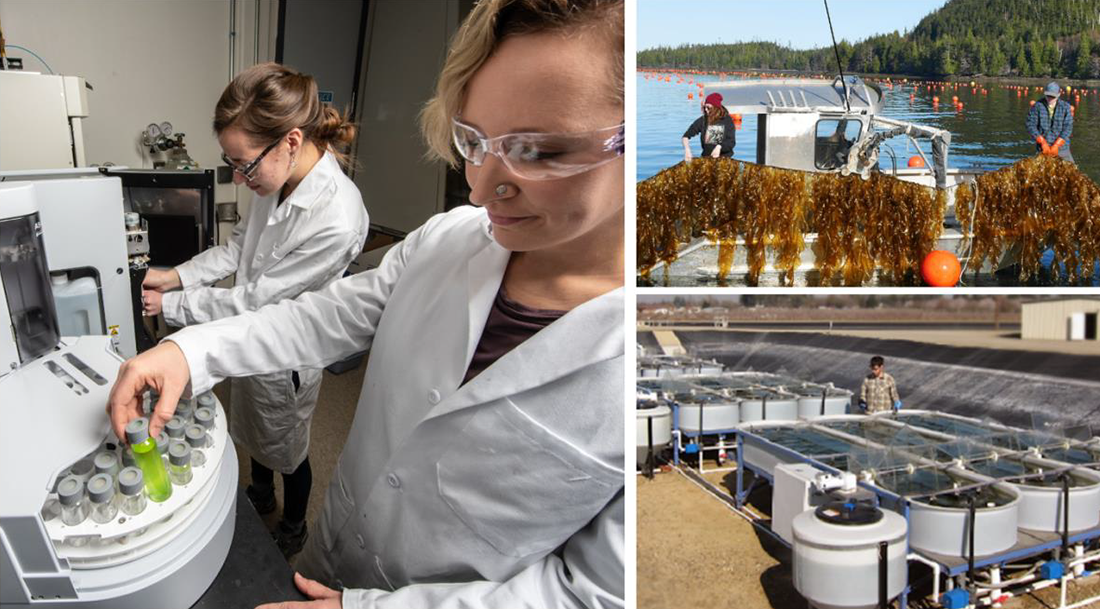 Algae, including macroalgae (upper right photo) and microalgae (left and lower right photos), are versatile organisms that produce biomass that could help the nation meet its clean energy goals. Photos courtesy of Jordan Hollarsmith, National Oceanic and Atmospheric Administration, Dennis Schroeder, National Renewable Energy Laboratory, and MicroBio Engineering
|
|
|
America has the potential to produce 250 million tons of algal biomass per year, meaning algae has the potential to replace fossil fuels as an abundant and flexible source of renewable energy. With this in mind, BETO’s AlgaePrize 2023–2025 competition challenged its student finalists to design and develop technologies within the commercial algae value chain. Learn more about how algae can improve the clean energy economy by fueling airplanes, recycling carbon dioxide, and creating jobs for millions of Americans nationwide.
|
|
Artificial Intelligence for Catalysis Webinar
June 12 | 2 p.m. ET
|
|
DOE’s New Blueprint for the Buildings Sector
June 13 | 1 p.m. ET
|
|
GTO Quarterly Webinar
June 13 | 1:30 p.m. ET
|
|
Sustainable Food Management Strategies
June 18 | 11 a.m. ET
|
|
An Overview of the Clean Energy Rule
June 18 | 11 a.m. ET
Domestic Content Bonus Webinar
June 20 | 2 p.m. ET
|
|
Innovative Solutions for Decarbonization
June 25 | 11 a.m. ET
|
|
Distribution of DER Benefits to Utility Customers
June 25 | 2 p.m. ET
|
|
Pathways to Commercial Liftoff: Offshore Wind
June 25 | 3 p.m. ET
|
|
Intro to Resilience: Hazard and Vulnerability Assessments
June 25 | 3:30 p.m. ET
|
|
|
|