|
U.S. Department of Energy Reports Chart Path for East Coast Offshore Wind to Support a Reliable, Affordable Electricity System |
|
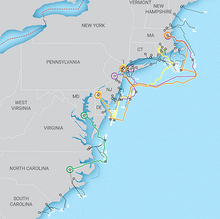
The U.S. Department of Energy (DOE) today released findings from the Atlantic Offshore Wind Transmission Study, a two-year study evaluating transmission options to support offshore wind energy deployment along the Atlantic Coast of the United States. Offshore wind is projected to be a key part of a low-carbon future for East Coast states and this report is the most thorough analysis to date of options to bring Atlantic offshore wind energy to American communities. While immediate projects will connect individually to the onshore grid, the study finds that after 2030, strategically linking some offshore wind energy projects via offshore transmission networks will help lower electricity production costs, enhance U.S. grid reliability, and reduce dependence on fossil fuels, while ensuring disruptions to oceanic ecosystems are minimal.
This study informed the Atlantic Offshore Wind Transmission Action Plan, also finalized today, which outlines immediate actions needed to connect the first generation of Atlantic offshore wind projects to the electric grid, as well as longer-term efforts to increase transmission over the next several decades. By ensuring equitable, affordable, and timely transmission access for offshore wind, these findings support the Biden-Harris Administration's goals of reaching 30 gigawatts of offshore wind energy by 2030 and unlocking a pathway to 110 GW or more by 2050.
"Offshore wind energy is already powering more than one hundred thousand homes along the east coast, with the potential to grow and further enhance grid reliability and reduce even more fossil fuels," said U.S. Secretary of Energy Jennifer M. Granholm. "The Atlantic Offshore Wind Transmission Study and the Action Plan show the Biden-Harris Administration's commitment to advance offshore wind along the nation’s coasts will boost domestic manufacturing and support tens of thousands of jobs as we tackle the climate crisis."
|
|
|
|
|