In This Issue
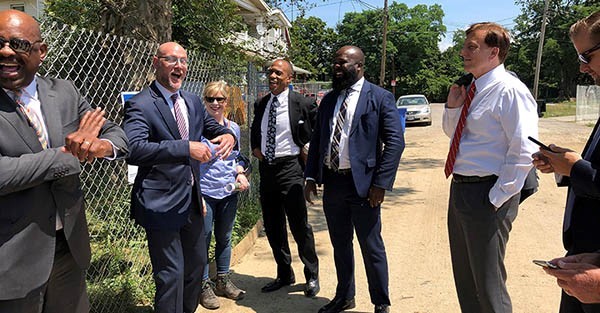 Opportunity Zones were created under the 2017 Tax Cuts and Jobs Act and signed into law by President Trump on December 22, 2017, to stimulate economic development and job creation by incentivizing long-term investments in low-income neighborhoods.
More than 35 million Americans live in nearly 9,000 specially-designated Qualified Opportunity Zones, which were identified by Governors and certified by the Department of the Treasury, throughout the U.S. and its territories.
Working together in a bipartisan manner, President Trump and Congress developed this special tax incentive, which allows investors to defer tax on any prior gains invested in a Qualified Opportunity Fund (QOF) until the earlier of the date on which the investment in a QOF is sold or exchanged or until December 31, 2026.
Click here to read more.
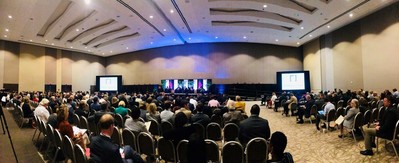
On September 30 - October 1, Assistant Secretary John Fleming participated in the Southeastern Regional Opportunity Zone Summit in Jackson, Mississippi.
In partnership with Mississippi Governor Phil Bryant’s office and the Milken Institute, the two-day event was initiated to examine how the new federal Opportunity Zone initiative can help accelerate regional efforts to build a stronger, more vibrant and resilient Southeast economy, and strengthen equitable growth in communities across Mississippi, the region, and the country.
The first day featured a Milken Institute facilitated boot-camp, which offered an intensive, day-long training on the mechanics of the Opportunity Zone initiative. Day two provided a number of guest speakers and impactful panel discussions that highlighted how this important initiative can spur economic development in some of our nation’s most distressed communities.
Click here to read more.
EDA’s Office of Innovation and Entrepreneurship (OIE) is currently working with a number of Regional Innovation Strategy Program grantees that are focused on creating Opportunity Zone investment funds for businesses, or funds that will support investment flow in Opportunity Zones and Opportunity Zone-related areas. These grantees are located in both urban and rural communities across the country:
Click here to read more.
|