|
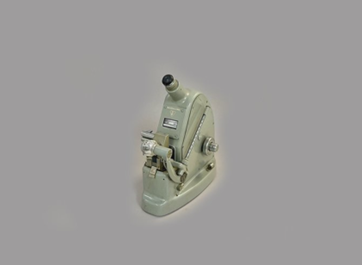
Refractometer: From Lab to Courtroom
A refractometer is an optical instrument widely used in food preparation, chemical production, and forensic laboratories. It measures how much light "bends", or refracts, as it passes through a substance like a liquid or prism. Measurements are converted into a unitless value that helps determine a material's purity, concentration, or composition. Refractometry is a reliable tool to get precise and consistent results.
In forensic work, Abbe refractometers are commonly used to identify unknown liquids found at clandestine drug labs and other illegal production sites. They also help investigators measure the concentration of chemicals during inspections, support evidence in legal cases and verify whether substances have been used illicitly.
As an artifact, refractometers contribute to safer handling practices and more effective enforcement efforts. You can explore tools like this and learn how forensic science supports drug investigations in Stories from the Collection. Visit the DEA Museum to discover how scientific techniques and enforcement strategies have evolved over time.
New episodes of the series are released monthly on YouTube and the DEA Museum website.
|
|
|
|