|

June 15, 2018
What's Wild
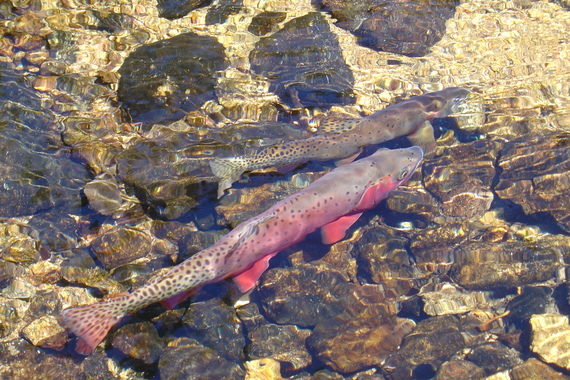 Leadville National Fish Hatchery is Using Genetics to Help Save the Greenback Cutthroat Trout
Last week, the Leadville
National Fish Hatchery in Colorado, along with partners from Colorado Parks and Wildlife, U.S. Forest Service, and Trout Unlimited began breeding greenback cutthroat
trout using genetic testing. Offspring from these matings will produce the future broodstock for stocking into restoration projects for the recovery efforts of the Colorado state fish.
The Greenback
cutthroat trout is a species protected by the Endangered Species Act as a threatened species. One of the challenges to recovering the fish relates to genetic diversity which limited by low survival rates and physical deformities. With the help of our partners, the Service is working to increase the genetic diversity
of these threatened fish by implementing a genetic matrix spawning plan.
Under this plan, biologists have collected the genetic information on
over 700 individual fish and then, during the spawning period, will use this
information to develop pairings between the most distantly related females and
males in hopes of improving the health and survival of this fish.
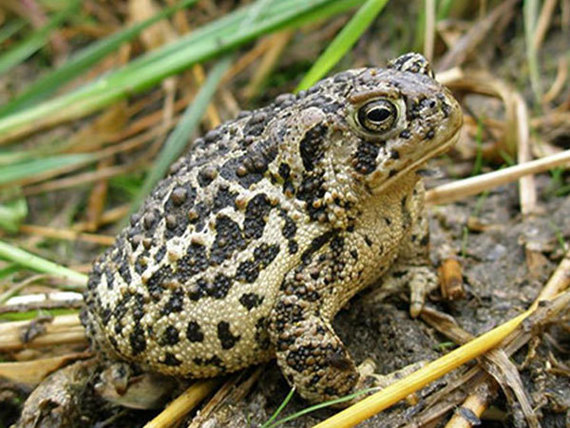 Hatching more than fish: Fish hatcheries help raise a variety of rare species
Whether it's snakes in
Florida, alligator snapping turtles in Louisiana, or toads in Wyoming, the U.S. Fish and Wildlife Service’s National Fish Hatcheries are taking a hands-on approach to recovering imperiled
species outside of those with fins and gills. In the Mountain-Prairie Region, the Service is doing its part to help recover the once presumed extinct Wyoming Toad
at the Saratoga
National Fish Hatchery in Wyoming, and the Leadville National Fish Hatchery in Colorado.
Find out more about these awesome little toads and the other unique species hatcheries are helping
across the nation here.
Did You Know?
 |
|
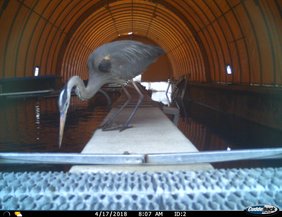
This Great Blue Heron Looks for a Quick Bite at Jackson National Fish Hatchery
Once hatchery fish reach three inches they are moved to outdoor canals called raceways. Sometimes birds and other animals try and take advantage of these raceways that look like an all you can eat buffet. This Great blue heron saw an opportunity for a snack at the Jackson National Fish Hatchery in Wyoming however, due to the construction of the raceway, flew away empty clawed.
Photo: U.S. Fish
and Wildlife Service
|
|