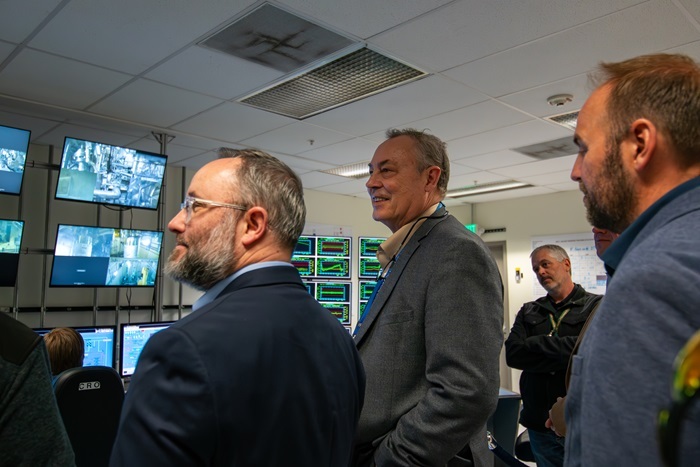
 U.S. Department of Energy Office of Environmental Management (EM) Acting Principal Deputy Assistant Secretary Joel Bradburne, center, visits the control room at the Integrated Waste Treatment Unit, which has processed over 300,000 gallons of sodium-bearing waste to date. Acting Idaho Cleanup Project Manager Nick Balsmeier is at right, foreground, and EM Deputy Chief of Staff John Howard is at left.
IDAHO FALLS, Idaho — Joel Bradburne and other members of the U.S. Department of Energy’s (DOE) Office of Environmental Management (EM) leadership team visited the Idaho Cleanup Project (ICP) last week, where they surveyed major remediation projects and saw how meeting cleanup milestones is creating opportunities at the Idaho National Laboratory (INL).
Bradburne, EM acting principal deputy assistant secretary, and the others saw firsthand the progress of liquid waste processing at the Integrated Waste Treatment Unit (IWTU); used nuclear fuel storage and other capabilities of the Idaho Nuclear Technology and Engineering Center (INTEC); transuranic waste certification and shipping operations at the Advanced Mixed Waste Treatment Project (AMWTP); and legacy prototype demolition at the Naval Reactors Facility (NRF).
To date, the IWTU has processed over 300,000 gallons, or a third of the liquid sodium-bearing waste stored onsite, and recently ceased use of one of three onsite tanks containing the waste — a marker of progress. Bradburne praised the IWTU workforce, recognizing that these accomplishments reduce risk to workers, the public and the environment while demonstrating EM’s commitment to meeting cleanup obligations to the state of Idaho.
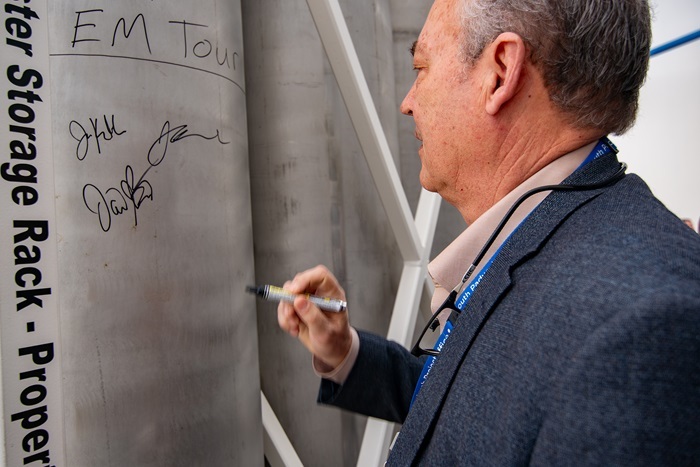 U.S. Department of Energy Office of Environmental Management Acting Principal Deputy Assistant Secretary Joel Bradburne signs a cask used to process sodium-bearing waste at the Integrated Waste Treatment Unit.
Since the 1950s, INTEC has safely managed over 200 types of used nuclear fuel from across the INL Site and the world. During the tour, crews demonstrated how ICP continues that mission by safely managing used nuclear fuel from the Advanced Test Reactor, enabling its research demonstrations, and preparing to receive, store, and handle university and other research fuel shipments. These are critical INL research opportunities made possible by cleanup accomplishments.
A highly skilled workforce and specialized equipment at AMWTP are driving taxpayer savings and advancing DOE’s transuranic waste mission. By using ultrasonic technology to certify transuranic waste containers, AMWTP crews saved about $20 million. The facility’s remote waste-handling equipment recently processed large items for Los Alamos National Laboratory, showcasing its unique capabilities and potential to help other DOE sites process waste for disposal at the Waste Isolation Pilot Plant.
Crews at NRF are finding success in efficiency. They rely on innovative practices, equipment reuse and recycling to deliver savings as they demolish three Navy Nuclear Propulsion Program legacy prototypes. They recently finished demolishing the first prototype ahead of schedule and $16 million under budget, and have recycled nearly 3,000 tons of metals to date.
Reflecting on his visit, Bradburne noted the ICP workforce’s efforts to advance EM’s renewed vision.
“The Idaho Cleanup Project continues to be an important part of the Department’s strategy to strengthen America’s energy future,” Bradburne said. “The milestones they achieve today not only ensure protection tomorrow but open the door to many new opportunities at the Idaho Cleanup Project to advance the nuclear renaissance.”
-Contributors: Leslie Dal Lago, Carter Harrison
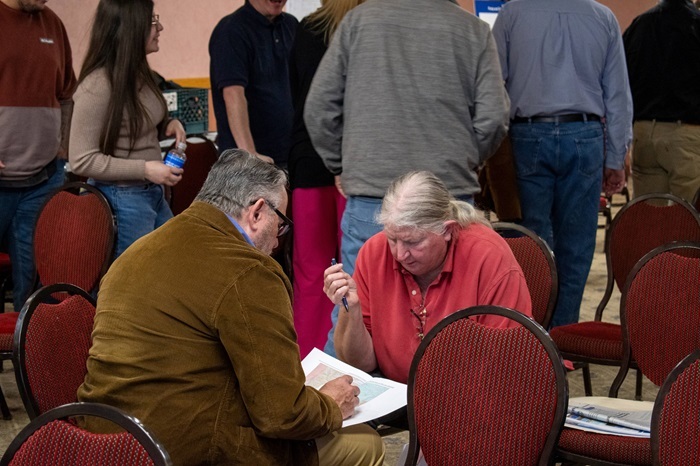 Joel Hebdon, deputy program manager for Environmental Remediation at Newport News Nuclear BWXT-Los Alamos LLC, reviews a map of the hexavalent chromium plume at Los Alamos National Laboratory with an attendee at the Environmental Management Cleanup Forum.
LOS ALAMOS, N.M. — Participants at a recent public forum received an update on the Hexavalent Chromium Campaign from the U.S. Department of Energy’s (DOE) Environmental Management Los Alamos Field Office (EM-LA) and legacy cleanup contractor Newport News Nuclear BWXT-Los Alamos LLC (N3B).
The hexavalent chromium plume was first detected in 2004 in a regional aquifer monitoring well above the New Mexico groundwater standard of 50 micrograms per liter. The plume is currently estimated to be approximately 1 mile long by a half-mile wide beneath Mortandad Canyon and the southern edge of Sandia Canyon at Los Alamos National Laboratory (LANL). There is no immediate threat to human health or the environment.
During a presentation at the Environmental Management Cleanup Forum, groundwater sampling well data showed how operation of EM-LA’s hexavalent chromium plume interim measures system has a positive effect on the plume — and how chromium levels increase when the system is not operating.
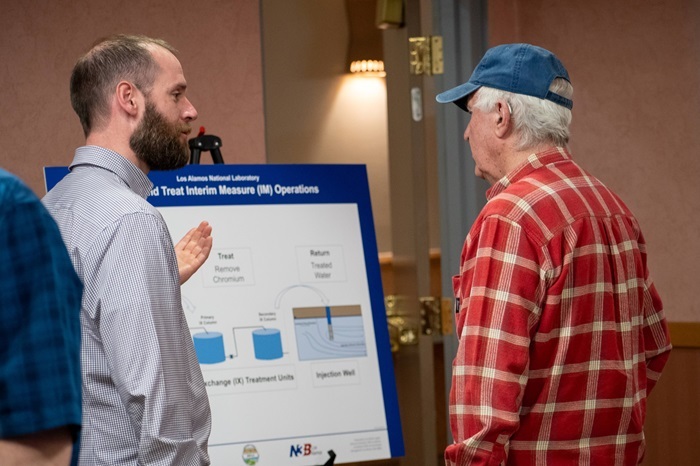 Tom Messing, project manager, Chromium and RDX Remediation at Newport News Nuclear BWXT-Los Alamos LLC, discusses operation of the hexavalent chromium plume interim measures with an attendee at the Environmental Management Cleanup Forum.
EM-LA and N3B fielded questions from attendees on the current status of the plume. In November, the New Mexico Environment Department (NMED) directed DOE to cease all injection for the interim measures, and thus cessation of the system operations.
EM-LA has responded to NMED and proposed restarting the interim measures as soon as possible to prevent further migration of the plume beyond the LANL boundary. Additionally, EM-LA has proposed to collaboratively explore and evaluate these operations with NMED after restart with the aim of informed and adaptive operations, consistent with the purpose and scope of the 2016 Compliance Order on Consent, which was modified in 2024.
The interim measures system — approved by NMED in 2015 — consists of several wells to extract water from the plume, treat the water to remove hexavalent chromium and inject the treated water back into the regional aquifer. Injection establishes a hydraulic barrier in the area of injection, helping reduce the plume.
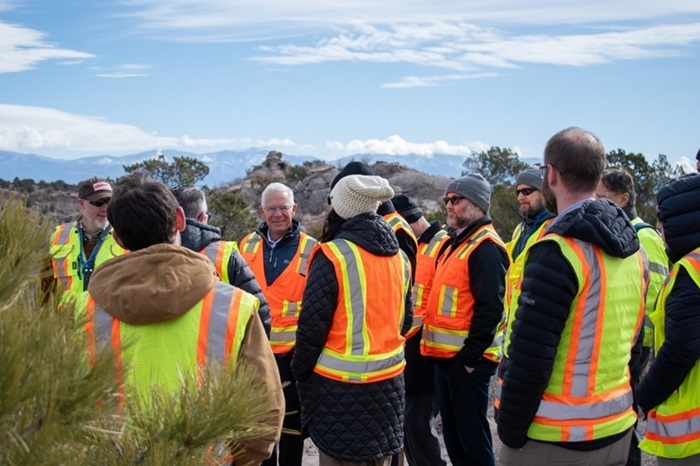 Assistant Secretary of Environmental Management Tim Walsh, center, receives a briefing in Mortandad Canyon on the hexavalent chromium plume at Los Alamos National Laboratory. During a recent visit to northern New Mexico, Walsh toured several sites with the Environmental Management Los Alamos Field Office and cleanup contractor Newport News Nuclear BWXT-Los Alamos LLC to learn about progress for the legacy cleanup mission at the site.
An expert technical review team, jointly convened by EM-LA and NMED, issued the "Independent Review of the Chromium Interim Measures Remediation System in Mortandad Canyon Los Alamos, New Mexico, December 2024” report.
Matthew Tonkin, president and principal hydrogeologist with S.S. Papadopulos & Associates Inc., is a member of that team. He weighed in on the benefits of operating the interim measures system with injection.
“Pump and treat is time-consuming and expensive, but it is the best method for containing the plume and evaluating the results,” Tonkin said. “With stopping the interim measures, we are missing an opportunity to get data to make more progress toward the remedy.”
EM-LA remains committed to advancing efforts to remediate the hexavalent chromium plume. Assistant Secretary of Environmental Management Tim Walsh recently met with Pueblo de San Ildefonso and Los Alamos County leadership to listen to concerns regarding the shutdown of the interim measures system.
-Contributor: Stephanie Gallagher
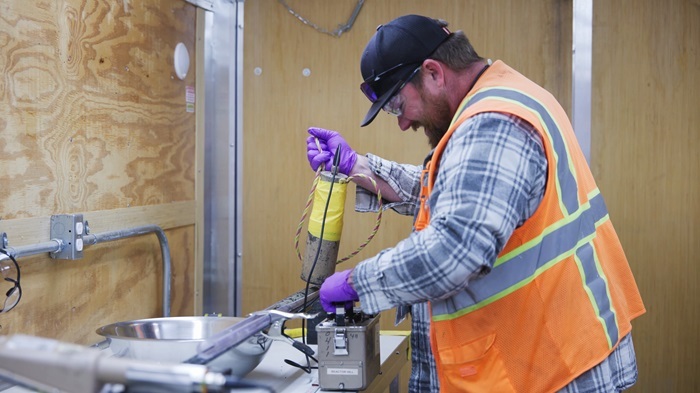 Employees analyze soil samples collected from the east side of the Y-12 National Security Complex for a thorough understanding of land conditions before new construction begins.
OAK RIDGE, Tenn. — A detailed data-gathering process known as characterization is helping the Oak Ridge Office of Environmental Management (OREM) advance cleanup at one of the nation’s most important national security sites.
Teams are characterizing land, buildings and slabs to identify contamination at the Y-12 National Security Complex. Field work underway by contractor United Cleanup Oak Ridge (UCOR) and subcontractor RSI EnTech is paving the way for upcoming demolition and land reuse at Y-12.
Workers are using an innovative drilling system to collect soil and groundwater samples on the east side of Y-12 to evaluate the area and enable reuse for the construction of new facilities to advance national security missions. It allows for precise subsurface sampling with minimal disturbance to the environment and less waste than traditional drilling methods.
“Teams with decades of experience are now able to use improved technology to conduct these extensive sampling campaigns,” said Morgan Carden, OREM’s Y-12 portfolio federal project director. “Their work helps ensure we have all of the data to make the most informed decisions.”
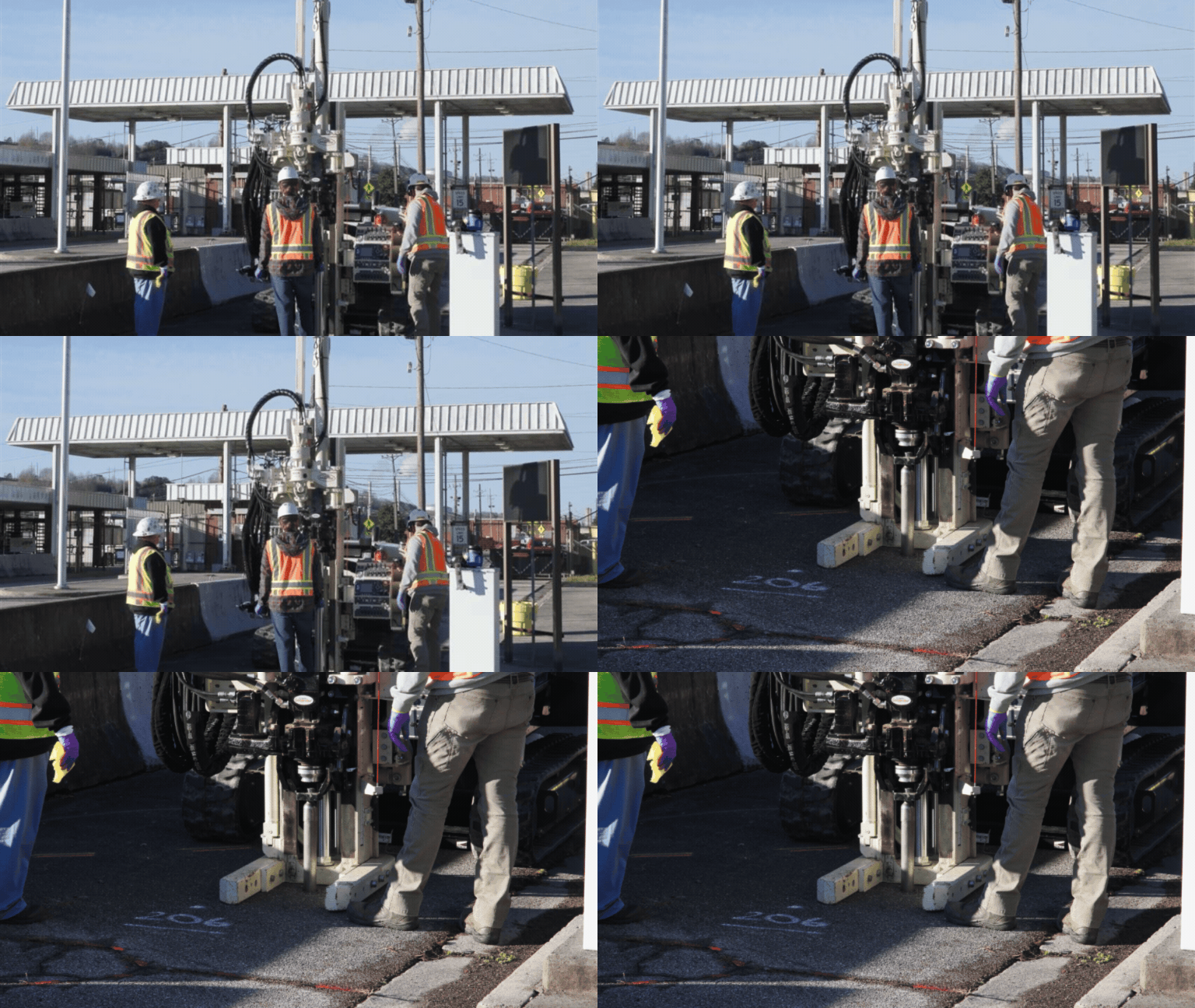 This innovative drilling system allows crews to collect precise subsurface samples with minimal disturbance to the environment and less waste than traditional drilling methods. It digs into the ground, filling a tube with soil that will be sent to a laboratory for analysis.
Characterization also plays a key role for deactivation and demolition projects at high-hazard facilities. Team members identify hazards before work begins and verify conditions after cleanup.
That process laid the groundwork for the successful demolition of the Alpha-2 facility. Before the teardown began, specialists collected more than 7,000 samples throughout the former uranium enrichment building, including soil and structural material samples.
They shipped the samples to laboratories nationwide for analysis, and UCOR sample management experts used the results to interpret the nature and extent of contamination.
“Characterization teams are on the front lines to enable safe cleanup,” said Sarah Springer, UCOR’s Environmental Services manager. “The data our teams collect before, during and after cleanup allows projects to plan demolition work, protect workers and ensure waste is properly characterized and disposed of while advancing cleanup efficiently and responsibly.”
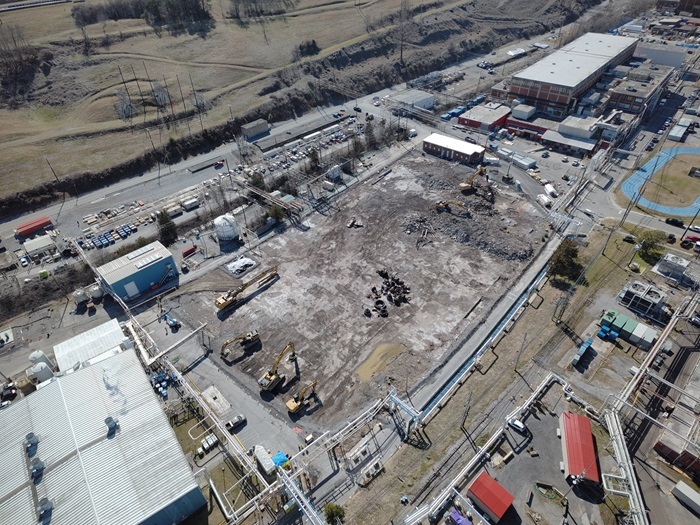 Characterization laid the groundwork for demolition of the Alpha-2 facility, and sampling will continue now that the teardown is complete. Crews will use an innovative drilling system later this year on the building’s slab to evaluate subsurface conditions.
Sampling also continues after demolition. Crews will evaluate subsurface conditions at the Alpha-2 slab for remaining contamination and inform future use of the land.
Meanwhile, teams are setting the stage for other Y-12 demolitions. Crews have collected more than 900 samples at the Beta-1 former uranium enrichment facility, and they are helping remove classified equipment at the Alpha-4 facility, where they have also gathered more than 600 samples.
-Contributor: Mike Butler

PIKETON, Ohio — SB Energy, a SoftBank Group company, recently announced a unique public-private partnership to construct the world’s largest artificial intelligence (AI) data center on leased land at the U.S. Department of Energy’s (DOE) Portsmouth Site. This special report provides in-depth coverage of the project and includes remarks from U.S. Energy Secretary Chris Wright, U.S. Commerce Secretary Howard Lutnick, Assistant Secretary Tim Walsh, SB Energy Co-CEO Rich Hossfeld, SoftBank Group Corp. Chairman and CEO Masayoshi Son, Acting Portsmouth Site Lead Jud Lilly, Ohio State Sen. Shane Wilkin, and Southern Ohio Diversification Initiative Counsel Kevin Shoemaker. They highlight benefits of the partnership and discuss what the project means for the surrounding community.
AIKEN, S.C. — The U.S. Department of Energy’s (DOE) Office of Environmental Management (EM) has revised and released its strategic plan to complete the tank waste cleanup mission at the Savannah River Site (SRS).
Developed by EM with SRS liquid waste contractor Savannah River Mission Completion (SRMC), the SRS Liquid Waste System Plan — available here — outlines the activities required for the disposition of high-level radioactive waste and the removal from service of radioactive liquid waste tanks and facilities at SRS. Essentially, the plan documents production goals and the strategies in place to meet those goals.
With the help of computer modeling, the plan is revised periodically to account for changes, such as new technologies or innovations, project completions and funding scenarios — all of which can impact the mission timeline.
The latest revision of the system plan has the timeline to complete waste tank removal and close all tanks between 2037 and 2041, based on various scenarios.
Tony Robinson, DOE-Savannah River acting assistant manager for waste disposition, said a key change in revision 24 is the focus on system availability.
“Due to the highly integrated nature of the liquid waste system, it is critical for the facilities to work together as designed. The improvements to the facilities have increased their operational reliability. The use of innovative technologies like the integrated processing projection tool and livestreaming tank inspections drives efficiency,” Robinson said. “The liquid waste system plan is where we bring all those factors together. As a result, this revised plan provides numerous opportunities to accelerate the liquid waste mission.”
System availability is measured by the operating time of the Salt Waste Processing Facility (SWPF) divided by the total time in a month. SWPF operating time is affected by the waste feed available from the tank farms and the capability to receive material at the Defense Waste Processing Facility and the Saltstone Production Facility. The latest system plan says that an average 65% availability per month is currently needed to meet mission goals.
“Availability is the name of the game now, so we’re going to make sure we’re moving material through the liquid waste system,” SRMC President and Program Manager Thomas Burns Jr. said. “To do that, we’re going to prioritize maintenance at the Defense Waste Processing Facility — a 30-year-old plant that’s been a workhorse for us — and continue to collapse the backend of the mission by making operational tank closure faster and cheaper using drones and 3D-printed tools.”
-Contributor: Colleen Hart
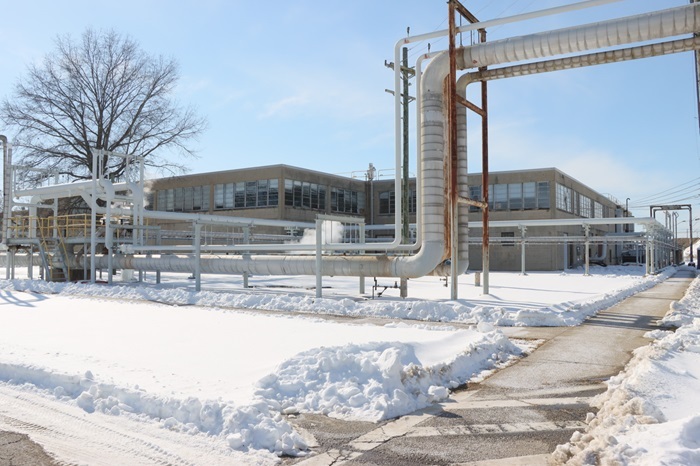 The X-710 Technical Services Building has been iconic to the Portsmouth Site since the 1950s. Deactivation work is underway to prepare the building for demolition.
PIKETON, Ohio — Crews at the U.S. Department of Energy’s Portsmouth Site are deactivating a unique facility that once housed more than 100 specialized laboratories, part of a broader plan to shrink the legacy footprint to enable long‑term economic growth, community revitalization and high‑quality jobs for American workers.
The X-710 Technical Services Building has been an iconic part of the Portsmouth Site since the 1950s. Although most occupants vacated the building five years ago, chemicals and materials inside the facility need to be characterized and removed before demolition. Deactivation is expected to be completed in October.
“The X-710 has played an important role at the Portsmouth Site, from verifying samples in our laboratories to supporting research and development,” Federal Project Director Christy Brown said. “The building contains potential hazards that must be addressed, so we are collecting data on the materials of construction, evaluating risks, and safely advancing our cleanup mission by remediating the hazards, which includes removal, if necessary.”
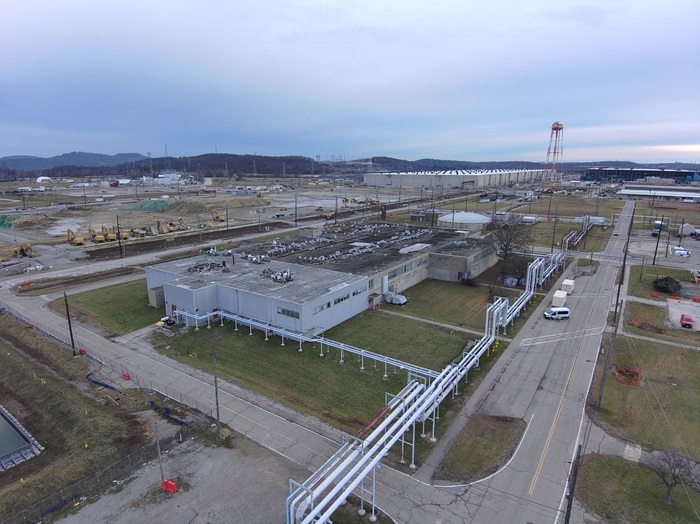 The X-710 Technical Services Building stands near the concrete pad of the former X-326 Process Building and the X-300 Plant Control Facility. X-710 played a vital role at the site and once held hundreds of employees.
The two-story building had offices, a records vault, multiple conference rooms, a technical library and a machine shop, but it was best known for its 100-plus laboratories. Some of its labs included facilities for uranium sampling, metals preparation, radiochemistry, mass spectrometry and laser research.
The X-710 deactivation includes asbestos and beryllium sampling and removal of all low-level waste. Some of the electronic scrap material will be shipped offsite for disposal while other portions of it will be sent to the Portsmouth On-Site Waste Disposal Facility. Hard drives and other electronics with an internal memory are shredded.
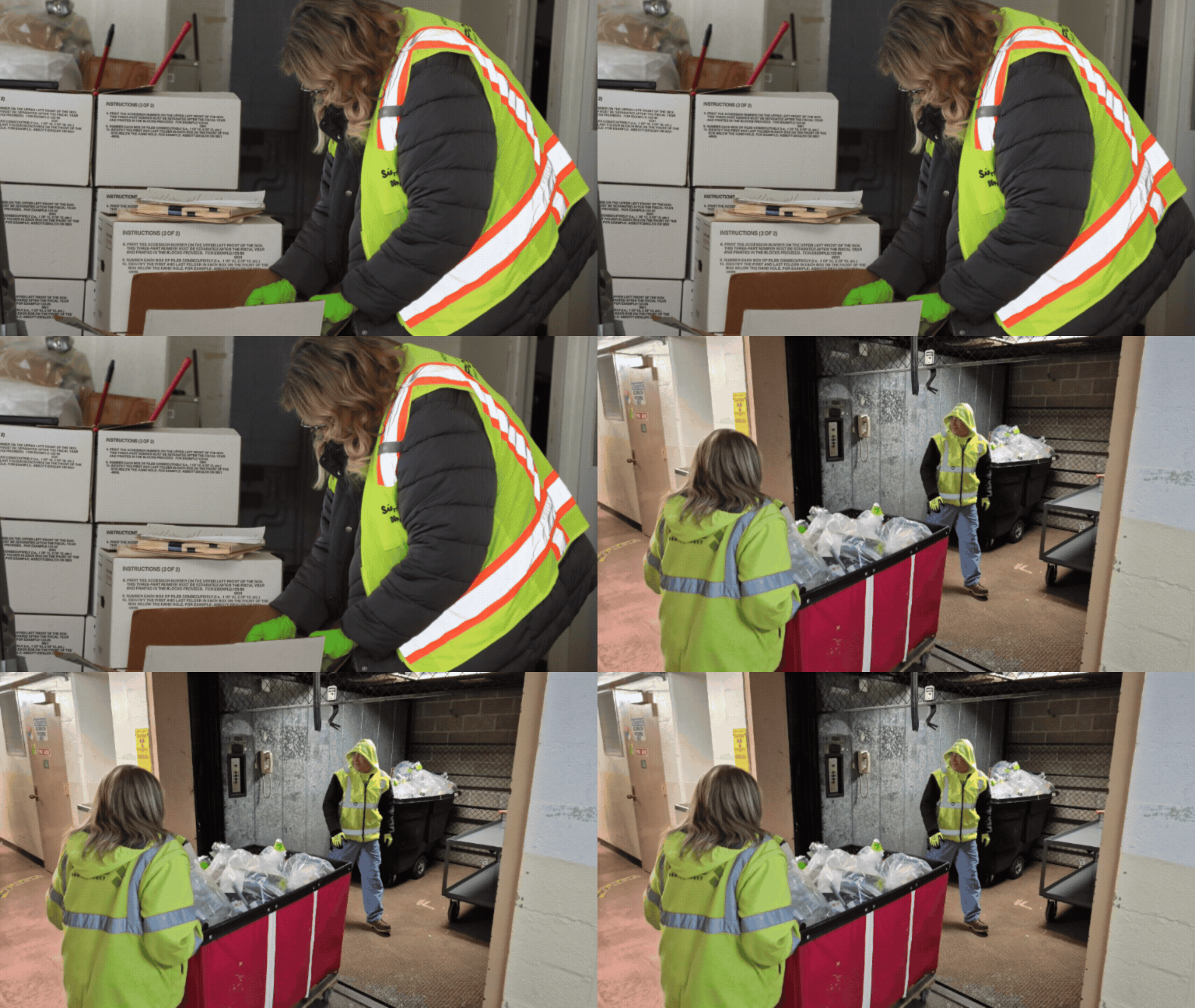 In the first frame, Records Management and Document Control Specialist April Pendleton organizes records for efficient processing and transfer to the records vault. Documentation left behind in the X-710 Technical Services Building must be evaluated to determine if it’s a record and if it’s already accounted for in the records system. In the second frame, workers use a freight elevator in X-710 to remove low-level waste from the second floor. From left, Project Worker Rhonda Ward pushes the cart, while Project Worker Brock Wooldridge waits in the elevator.
 |
|
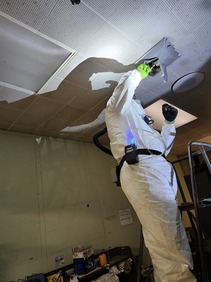
The X-710 Technical Services Building features specialized laboratories for uranium sampling, metals preparation, radiochemistry, mass spectrometry and laser research. Deactivation includes sampling for asbestos and beryllium to help characterize the building and determine safe and appropriate disposal methods. |
“In the coming weeks, demolition crews will be removing trees from the east side of the building to give themselves a head start,” said Caleb Payne, deactivation project manager with Portsmouth Site contractor Southern Ohio Cleanup Company. “Meanwhile, we are updating the egress lighting, taking building characterization samples and removing lead and refrigerants from the areas that do not contain laboratories.”
X-710 was constructed in 1955 and expanded in 1975, adding 30,000 square feet to the original 109,000 square feet of floor space. The building is adjacent to the X-300 Plant Control Facility and the former X-326 Process Building, which crews demolished in 2022.
-Contributor: Michelle Teeters
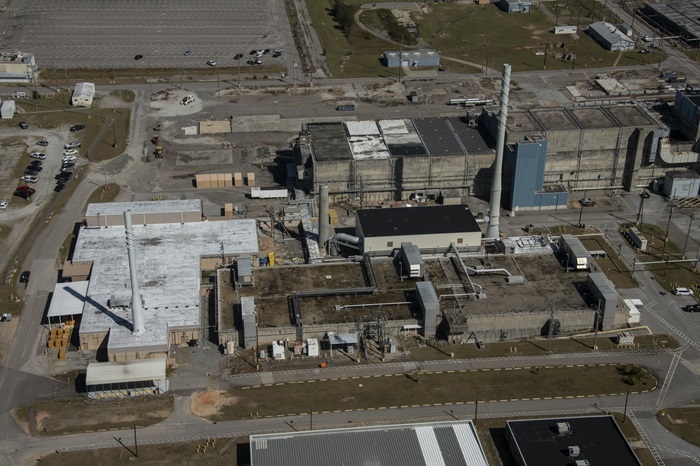 A view of surplus analytical laboratory facilities undergoing deactivation at the Savannah River Site. Cleanup crews have so far deactivated all of the laboratory rooms, including over 300 chemical and radiological containment units previously used for analytical process.
AIKEN, S.C. — Cleanup crews have made significant progress reducing the Cold War footprint at the Savannah River Site as they deactivate surplus analytical laboratory facilities.
Deactivation prepares the buildings for long-term safe storage, an end state relatively free of nonradiological hazards, with reduced, stable radiological hazards, requiring minimal surveillance and maintenance, thereby lowering taxpayer costs. Deactivation of the facilities is scheduled for completion in fiscal year 2027.
The surplus facilities, Buildings 772-F and 772-1F, were used to analyze radiological and nonradiological samples from the mid-1950s to 2021. The buildings were no longer needed after those analytical operations transitioned to Savannah River National Laboratory’s (SRNL) main facilities, several miles away, in 2021. That move streamlined capabilities, reduced costs and allowed for deactivation and decommissioning of the buildings and structures. SRNL is the sole national laboratory sponsored by the U.S. Department of Energy Office of Environmental Management (EM).
“We are proud of the progress we have made so far in deactivation of these facilities,” said F/H Laboratory Deactivation Project Manager Trey Gilland for Savannah River Nuclear Solutions (SRNS), the site’s prime contractor. “So far, we have deactivated all of the laboratory rooms, including over 300 chemical and radiological containment units previously used for analytical process, and 23 of 37 zones identified in the deactivation project plan are deactivated. We remain committed to completing deactivation and moving one step closer to decommissioning.”
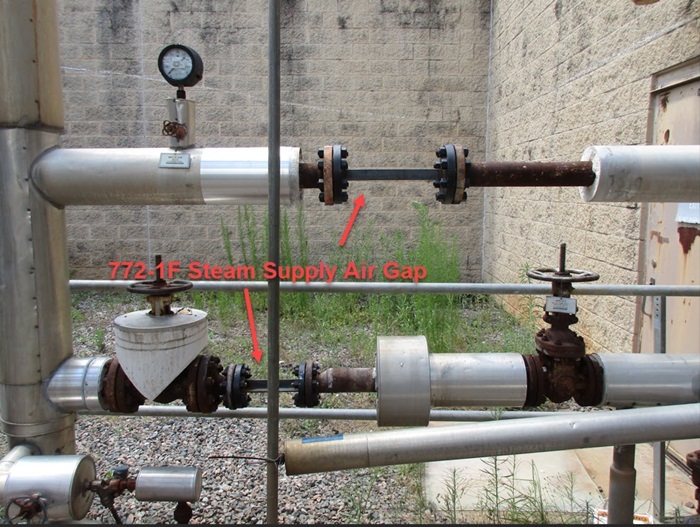 In 2024, a team deactivating surplus analytical laboratory facilities isolated steam and water from buildings that once housed nuclear materials by using air gaps in the steam and water lines. This ensures hazards are properly eliminated to prepare for facility decommissioning.
SRNS saved more than $4 million in utility costs after evaluating potential cost reductions in the deactivation project. Those savings went to further accelerate the deactivation work.
The deactivation team determined that work schedules and durations of work could be adjusted to allow for personnel to only work during the warmest and coldest periods of day, depending on the season. The team also found that use of steam to heat Building 772-1F could be restricted to the coldest four months of the year.
In 2024, the deactivation team permanently isolated steam and water utilities from Buildings 772-F and 772-1F by shutting off and separating pipes. To permanently isolate steam, the water services also had to be isolated to prevent the systems from rupturing during freezing conditions. As zones of each building were deactivated, ventilation systems were shutdown, resulting in additional savings in electricity costs.
-Contributor: Lindsey MonBarren
|