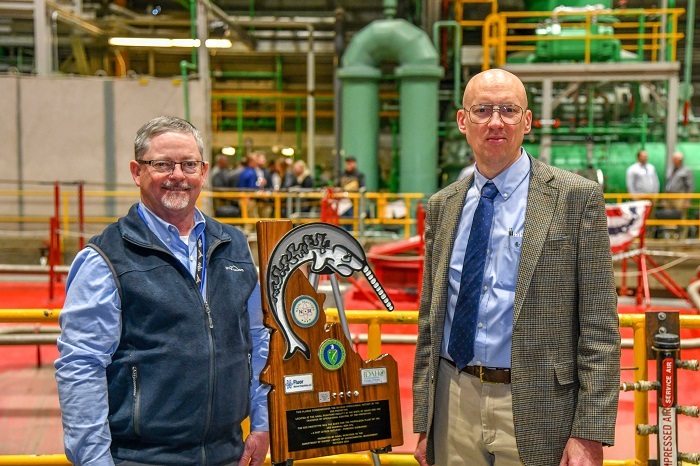
 Mark Brown, left, manager of Idaho Cleanup Project, and Gil Pratt, manager of the Naval Reactors Idaho Branch Office, stand with a plaque commemorating the 30-year operational history of the Submarine 5th Generation General Electric prototype.
IDAHO FALLS, Idaho — A U.S. Department of Energy Office of Environmental Management (EM) team is set to decommission and demolish (D&D) a second submarine reactor prototype at the Idaho National Laboratory (INL) Site’s Naval Reactors Facility (NRF).
The Submarine 5th Generation General Electric (S5G) prototype is a defueled land-based reactor vessel that served as an important training ground for prospective U.S. Navy submariners. D&D plans at S5G are consistent with a 2019 agreement between EM and the U.S. Office of Naval Reactors that created a path for EM’s current D&D efforts at the Submarine 1st Generation Westinghouse (S1W) and Aircraft Carrier 1st Generation Westinghouse (A1W) legacy prototypes at NRF.
A ceremony commemorating the transfer of the defueled S5G prototype from Naval Reactors to EM was held on Oct. 30 at NRF. Jeff Avery, EM principal deputy assistant secretary, attended the ceremony and commended the efforts of EM crews in Idaho.
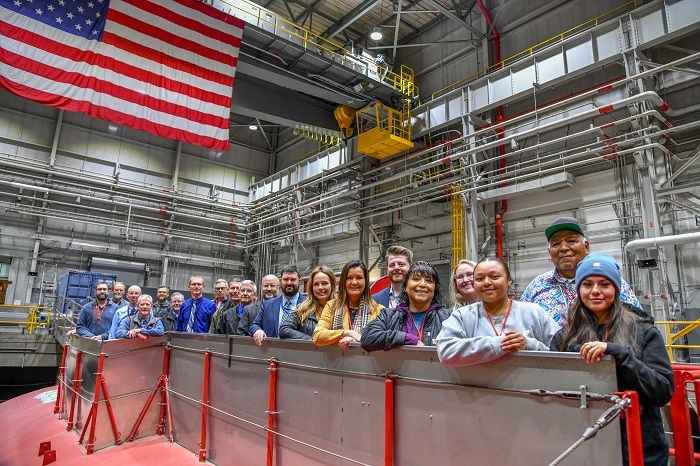 Representatives of the U.S. Department of Energy Office of Environmental Management headquarters, Idaho Cleanup Project, Naval Nuclear Laboratory, Naval Reactors Laboratory Field Office-Idaho Branch Office, Shoshone-Bannock Tribe and others pose for a photo during a tour of the Submarine 5th Generation General Electric prototype last week.
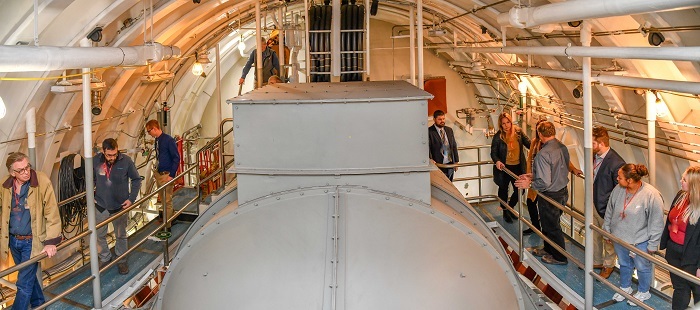 Representatives of the U.S. Department of Energy Office of Environmental Management headquarters, Idaho Cleanup Project, Naval Nuclear Laboratory, Naval Reactors Laboratory Field Office-Idaho Branch Office, Shoshone-Bannock Tribe and others tour the Submarine 5th Generation General Electric prototype last week.
Idaho Cleanup Project Manager Mark Brown said the EM team is excited to continue its close partnership with Naval Reactors.
“Our cleanup contractor, Idaho Environmental Coalition LLC (IEC), has a well-trained and motivated workforce that has demonstrated huge progress in safely demolishing the first NRF submarine prototype, S1W,” Brown said. “This same workforce will maintain demolition momentum at the S5G prototype.”
Gil Pratt, Naval Reactors Idaho Branch Office manager, values EM’s expertise and partnership in the D&D projects at NRF. He also recognizes the significant place the S5G prototype has in Naval Reactors history.
“S5G was a testbed for multiple technologies that are still used today, ensuring our submarine fleet can operate anywhere, anytime, virtually undetected,” said Pratt. “Naval Reactors is preserving the legacy of S5G through oral histories, written records and artifacts from the prototype.”
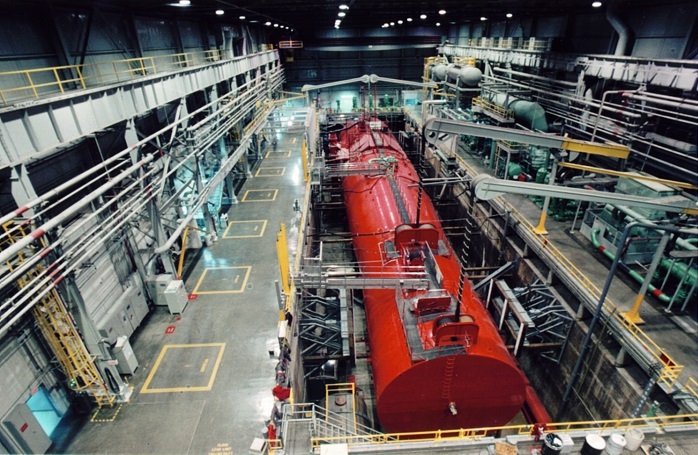 During operations decades ago, the Submarine 5th Generation General Electric prototype was placed inside a basin and submerged in thousands of gallons of water to mimic ocean-like conditions.
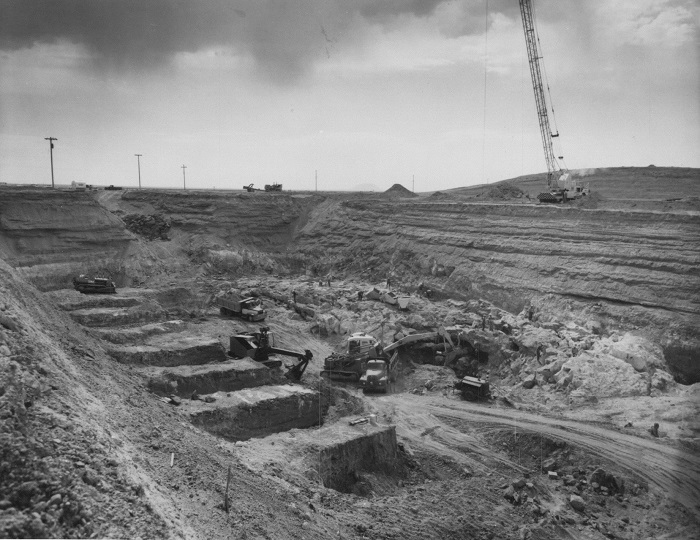 The Submarine 5th Generation General Electric prototype was constructed in a below-ground basin, unlike the Submarine 1st Generation Westinghouse and Aircraft Carrier 1st Generation Westinghouse prototypes.
Constructed in 1965, the S5G prototype was built to simulate the operations of a nuclear reactor within a submarine. During operations, it was submerged in thousands of gallons of water to mimic ocean-like conditions. The prototype also was used to train nearly 12,000 naval officers and enlisted personnel to operate the propulsion plants of nuclear-powered submarines. The prototype was shut down in 1995 and its reactor vessel was defueled in 1999.
EM, with concurrence from the U.S. Environmental Protection Agency and the state of Idaho, has released an engineering evaluation and cost analysis on the final end state for D&D of the S5G prototype. The public can comment on the documents through Nov. 14. Click here for more information.
D&D of the S5G prototype warranted an evaluation separate from the S1W and A1W prototypes because the S5G prototype was constructed belowground, unlike the other two.
Following the public comment period, a memorandum will be prepared to document the final end-state decision for the S5G prototype. Four alternatives are detailed in the evaluation and analysis. EM anticipates signing that memorandum next year.
-Contributor: Carter Harrison
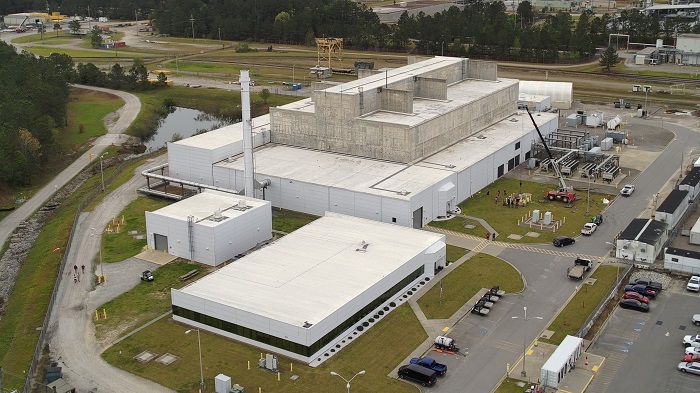 The Salt Waste Processing Facility recently surpassed a production milestone by processing more than 10 million gallons of high-level waste at the Savannah River Site. The facility separates the radioactive particles from the salt solution and forwards the decontaminated salt solution to the Saltstone Production Facility, where it is mixed with dry materials to make a cement-like grout.
AIKEN, S.C. — The Savannah River Site (SRS) has achieved a milestone with more than 10 million gallons of liquid radioactive waste processed through the Salt Waste Processing Facility (SWPF).
This new milestone in the U.S. Department of Energy Office of Environmental Management (EM) mission at SRS comes on the fourth anniversary of the start of SWPF “hot commissioning” testing. Completion of that testing phase signaled the facility’s entrance into fully integrated operations with the other SRS liquid waste facilities.
SWPF, operated by EM liquid waste contractor Savannah River Mission Completion (SRMC), is helping eliminate more than 33 million gallons of waste remaining in the 43 waste tanks in the site’s two radioactive tank farms, which are groupings of underground waste tanks.
SWPF and End Stream Delivery Project Director Steve Howell said the facility is proving to be a valuable addition to the effort to safely treat the waste.
“The Salt Waste Processing Facility is operating more efficiently than before,” Howell said. “We have added the ability to clean certain pieces of equipment without the need for shutting down operations.”
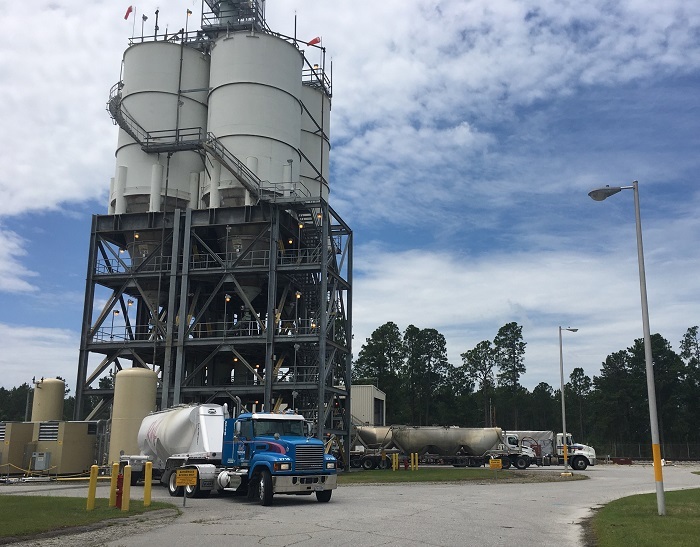 The Saltstone Production Facility mixes a decontaminated salt solution with dry materials to produce a cement-like grout that is pumped into saltstone disposal units for permanent disposal.
Howell noted that SRS acquired additional contactors, a key part of the operation, making it possible to replace an entire bank of contactors during a single shutdown instead of numerous shutdowns to replace only a few at a time. The specially engineered contactors are used to remove radioactive cesium from the liquid salt waste stored in underground, carbon-steel tanks.
“These enhancements provide us greater efficiency,” Howell said. “We experienced dramatic improvements resulting from online Strip Effluent Coalescer cleaning and online Solvent Drain Tank filtering, and we expect less downtime needed for contactor changeouts. We are also optimizing our use of monosodium titanate used for actinides removal, reducing the potential for clogging of the filters. These improvements are contributing to increased production time.”
SWPF, which receives salt waste from the site’s H Tank Farm, decontaminates the salt solution by removing highly radioactive contaminants. The highly radioactive waste stream is transferred to the Defense Waste Processing Facility for vitrification, while the decontaminated salt solution is sent to the Saltstone Production Facility (SPF). Vitrification converts the high-activity radioactive waste into a solidified glass form suitable for long-term storage and safe disposal.
SPF also boosted its production in the fiscal year that ended Sept. 30 by processing more than 8 million gallons of a cement-like grout, the most ever produced in a year. In recent years, equipment, production software and other upgrades have strengthened the facility’s production. SPF also has moved to 24/7 continuous coverage, further improving the facility’s capacity.
The combination of improvements at SRS liquid waste facilities is resulting in more efficient production as SRMC works to complete the overall liquid waste program by 2037.
Jim Folk, DOE-Savannah River assistant manager for waste disposition, noted that the work across the liquid waste facilities is providing greater run times.
“These modifications are helping us optimize the processing capabilities of each of these facilities,” Folk said. “Additional optimizations will lead to even greater efficiency while always maintaining safety as we continue to empty these waste tanks.”
-Contributor: Jim Beasley
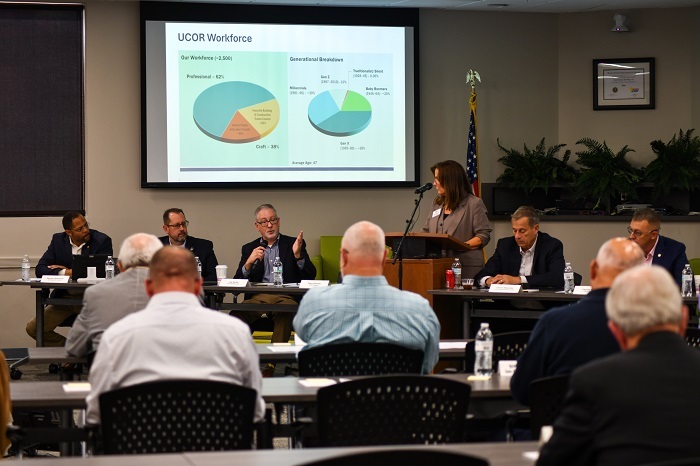 Oak Ridge Office of Environmental Management Manager Jay Mullis, center left, breaks down demographics of the current Oak Ridge workforce and discusses skills needed in the years ahead to advance cleanup at Oak Ridge National Laboratory and the Y-12 National Security Complex.
OAK RIDGE, Tenn. — Federal and contractor officials, community leaders and top educators gathered last week for a roundtable event focused on ensuring the Oak Ridge Office of Environmental Management (OREM) and its partners have the resources and infrastructure needed to support a robust, talented workforce in the years ahead.
The event marked the fourth such workforce development meeting at a U.S. Department of Energy Office of Environmental Management (EM) site since 2022. Previous workshops took place at EM’s Los Alamos, Savannah River and Hanford sites. Another event is planned for EM’s Idaho Cleanup Project next year.
The initiative originated from discussions with the Energy Communities Alliance that underscored the importance of documenting future hiring needs and attracting potential employees to the communities near EM sites. The alliance is an organization that brings together local government officials in DOE-impacted communities to share information, establish policy positions and advocate community interests to effectively address an increasingly complex set of environmental, regulatory and economic development needs.
“When we first started this conversation, only 1% of the federal workforce at EM headquarters was under the age of 30,” said Kristen Ellis, EM’s associate principal deputy assistant secretary for regulatory and policy affairs.
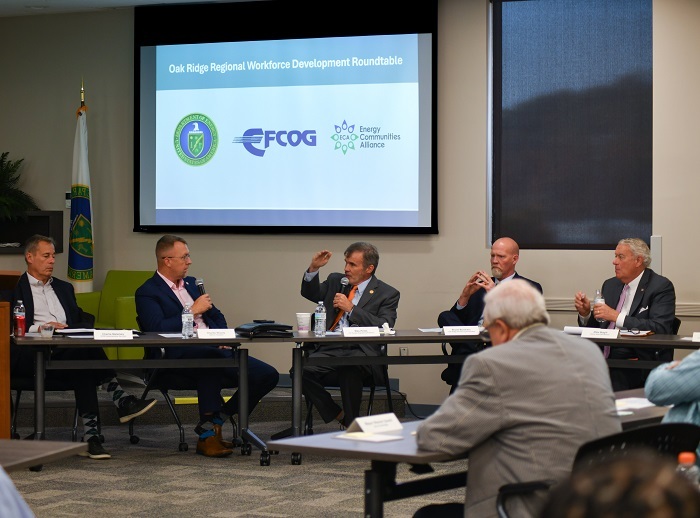 Wes Hines, third from left, retired head of the University of Tennessee’s nuclear engineer department, speaks about the growth of students in the nuclear field and the demand for them in the nuclear industry.
Events like this are helping EM identify and remove impediments as the program works to expand its workforce as a large percentage of employees approach retirement eligibility.
As experts, panelists and participants at the event shared their perspectives on good practices to boost hiring, they also raised awareness of some of the lesser-known challenges related to attracting employees.
“We have 70 miles of greenways, a beautiful city, great shopping, great restaurants and some of the best schools in the country, but you heard today the thing that we lack is housing,” said Randy Hemann, Oak Ridge city manager. “If we get the housing stock, we’ll get the people. They want to live here.”
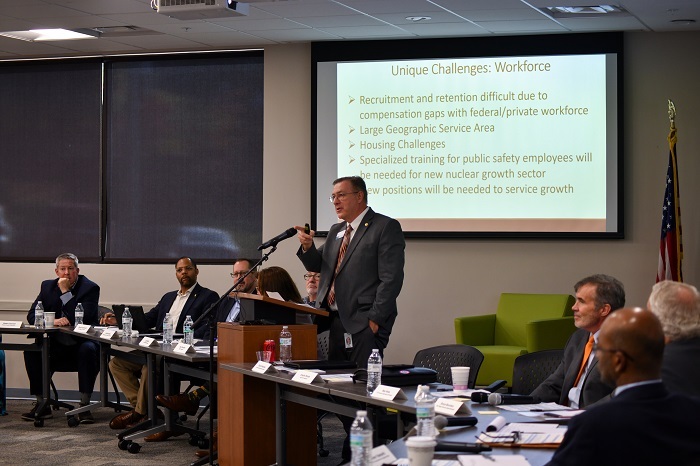 Oak Ridge City Manager Randy Hemann discusses the city’s challenges and how they impact U.S. Department of Energy Office of Environmental Management planning.
OREM, cleanup contractor UCOR and labor representatives kicked off the discussion by sharing the skills and competencies needed to maintain a workforce of more than 2,500 employees to advance Oak Ridge’s cleanup mission.
Then, the spotlight shifted to education. Partners representing K-12, community colleges and four-year institutions took to the microphone to discuss today’s classrooms and the most successful approaches to engage students.
“We use the phrase, ‘Our students can't be what they can't see.’ We need to know what's out there and what's available so we can develop those pathways,” said Bruce Borchers, superintendent of Oak Ridge schools. “We have invited industry partners in for conversations about what are the jobs they need, and how can we provide a pathway.”
OREM and its counterparts are among those partners, and the lesson is clear that outreach needs to begin early to catch the attention of students.
Hemann told the roundtable participants that more conversations as a community are needed to solve the problems.
“I'm happy to see DOE working in that manner and listening and bringing out these conversations in communities,” he said.
-Contributor: Ben Williams
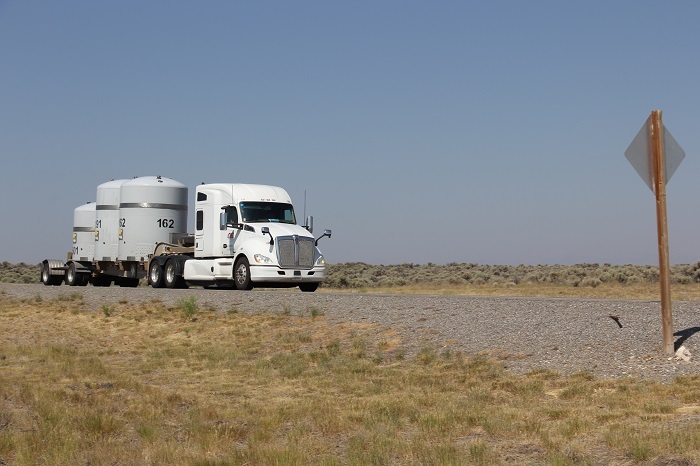 A shipment containing transuranic waste drums departs the Advanced Mixed Waste Treatment Project at the Idaho National Laboratory Site en route to the Waste Isolation Pilot Plant in New Mexico for permanent disposal.
IDAHO FALLS, Idaho — The U.S. Department of Energy Office of Environmental Management (EM) and its cleanup contractor at the Idaho National Laboratory (INL) Site are celebrating an important accomplishment in transuranic waste shipping operations. Idaho Environmental Coalition (IEC) sent 365 transuranic waste shipments to the Waste Isolation Pilot Plant (WIPP) in New Mexico in the fiscal year that ended Sept. 30 — the highest annual total for the Idaho Cleanup Project since fiscal year 2013, when the site sent 372 shipments to WIPP.
Since 2022, IEC has sent more than 827 shipments containing over 19,000 transuranic waste drums to WIPP, amounting to more than 70% of all waste received at the underground repository during that period. Crews will continue to meet a commitment to the state of Idaho by certifying and safely shipping transuranic waste to WIPP into the next decade.
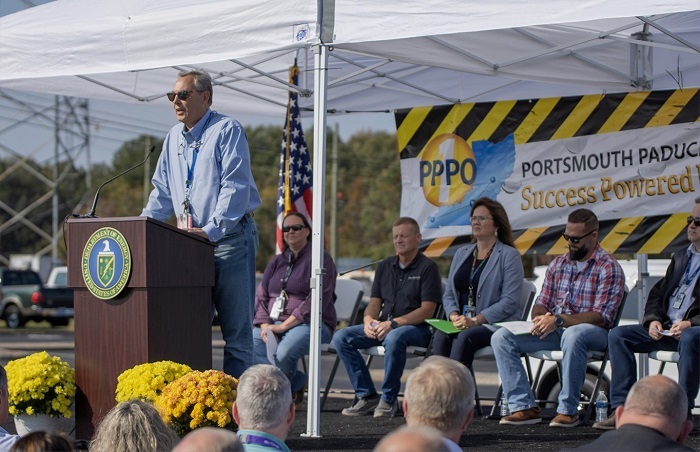 LEXINGTON, Ky. — Portsmouth Paducah Project Office (PPPO) Manager Joel Bradburne speaks to members of the PPPO workforce gathered at the Paducah Site for the “Success Powered by Safety” celebration. In his remarks, Bradburne said the team’s work “is setting the table for the future” and noted exciting innovations underway at the PPPO sites. “I just want to say thank you to all of you for your commitment,” he added. PPPO sites recently commemorated safety successes from the fiscal year that ended Sept. 30 with celebrations at the Paducah, Kentucky, and Portsmouth, Ohio, sites, which include the Depleted Uranium Hexafluoride Conversion Project. PPPO is located in Lexington, Kentucky.
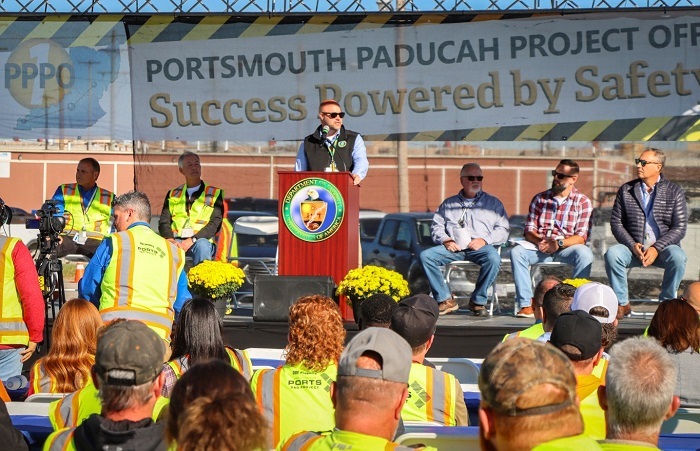 Portsmouth Site Lead Jeremy Davis congratulates members of the site’s workforce on their outstanding safety record and work progress during the recent “Success Powered by Safety” celebration. In addition to celebrating safety achievements from the fiscal year that ended Sept. 30, the Portsmouth Paducah Project Office (PPPO) sites — which include the Portsmouth, Ohio, and Paducah, Kentucky, locations and the Depleted Uranium Hexafluoride (DUF6) Conversion Project — looked ahead to goals for the current fiscal year that ends Sept. 30, 2025. Pictured from left: Fluor-BWXT Portsmouth Project Manager Greg Wilkett, North Wind Dynamics Project Manager Damon Detillion, Davis, Mid-America Conversion Services Portsmouth Plant Manager Pete Coutts, DUF6 Program Manager Zak Lafontaine and PPPO Manager Joel Bradburne.
-Contributor: Zachary Boyarski
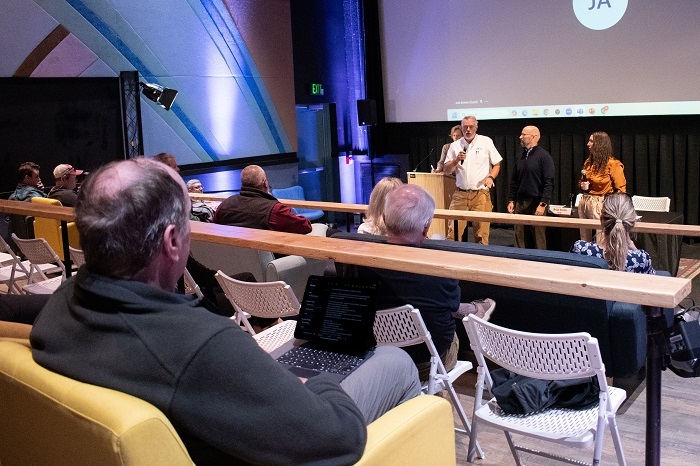
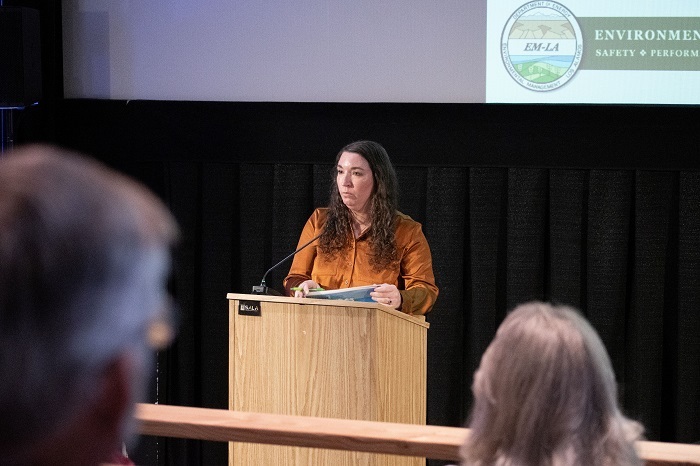 Environmental Management Los Alamos Field Office Manager Jessica Kunkle engages with audience members at the Environmental Management Cleanup Forum.
LOS ALAMOS, N.M. — The Environmental Management Los Alamos Field Office (EM-LA) and legacy cleanup contractor Newport News Nuclear BWXT-Los Alamos (N3B) recently conducted an Environmental Management Cleanup Forum.
The public meeting focused on the following topics: resumption of partial operation of the chromium interim measures groundwater treatment system; the revised 2016 Compliance Order on Consent; and legacy cleanup progress at Los Alamos National Laboratory (LANL).
EM-LA and N3B provide the quarterly forums to engage with local communities and stakeholders, and offer attendees a regular opportunity to learn more about the legacy cleanup mission at LANL.
Jessica Kunkle, EM-LA manager, kicked off the forum with an update on the chromium interim measures to treat a hexavalent chromium plume beneath Sandia and Mortandad canyons at LANL.
“On September 30, 2024, EM-LA resumed partial operation of the chromium interim measures,” Kunkle announced. Restart has been successful and the system will operate with three extraction wells and three injection wells.
“We appreciate working together with the New Mexico Environment Department (NMED) to restart partial operation to control migration of the plume and protect water supplies,” Kunkle added.
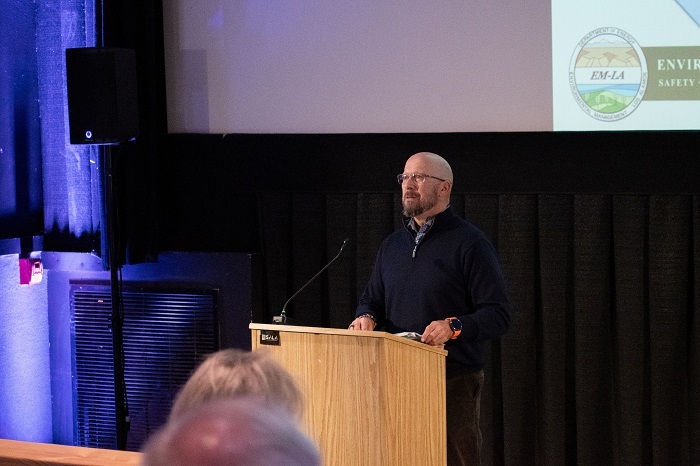 Newport News Nuclear BWXT-Los Alamos (N3B) President and General Manager Brad Smith presents on N3B’s dedication to mission excellence and legacy cleanup at the October Environmental Management Cleanup Forum.
On March 30, 2023, EM-LA shut down operation of the chromium interim measures to comply with NMED’s direction to cease injection by April 1, 2023. To help resolve differing technical positions between EM-LA and NMED, the parties jointly engaged an expert technical review team to assess the operation of the chromium interim measures.
The team, led by Ines Triay, interim dean of the College of Engineering and Computing at Florida International University, analyzed five areas: the ability of the interim measures to control the plume; current state of plume monitoring; NMED’s proposed corrective actions and conditions; readiness to propose and begin evaluating remedial alternatives; and monitoring well design.
“The expert technical review team’s draft report is being reviewed by EM-LA and NMED for factual accuracy and a final report is expected to be issued by the end of this year,” Kunkle said. Public meetings will be scheduled once the report is finalized to discuss the team’s conclusions.
Kunkle also reviewed major revisions to the consent order, the principle regulatory document governing legacy cleanup at LANL. On Sept. 30, the U.S. Department of Energy (DOE) and NMED executed the revised 2016 consent order.
As part of the revisions, DOE and NMED agreed to Appendices A, a list of solid waste management units and areas of concern; B, milestones; and C, list of campaigns for fiscal year (FY) 2025. DOE and NMED will work together to align these three appendices with the revised consent order for FY 2026.
 Newport News Nuclear BWXT-Los Alamos Environmental Remediation Program Manager Troy Thomson, front center, assists in answering technical questions during the Environmental Management Cleanup Forum.
Fiscal Year 2024: A Year of Cleanup Progress
During the forum, N3B President and General Manager Brad Smith highlighted key cleanup accomplishments in FY 2024:
- Completed all 15 of the agreed FY 2024 Appendix B milestones under the 2016 consent order;
- Shipped approximately 71 cubic meters of transuranic waste to the Waste Isolation Pilot Plant (WIPP) for disposal, and more than 1,350 cubic meters of low-level and mixed low-level waste offsite for disposal;
- Retrieved all 158 corrugated metal pipes of cemented transuranic waste from above Pit 9 at Technical Area 54 and made steady progress on reducing the size of the pipes to prepare them for disposal at WIPP;
- Obtained NMED approval of the successful cleanup of the Middle DP Road Site, confirming completion of the project; and
- Conducted over 4,500 surface water inspections and collected over 1,800 surface water samples to help inform cleanup decision-making.
Following the presentations, the floor was opened to the public, both for those attending the forum in person and online. A video of the meeting, including the community Q&A at the end of the forum, is posted here.
The next forum will be conducted in winter 2025 and details will be made publicly available.
-Contributors: Stephanie Gallagher, Michael Nartker
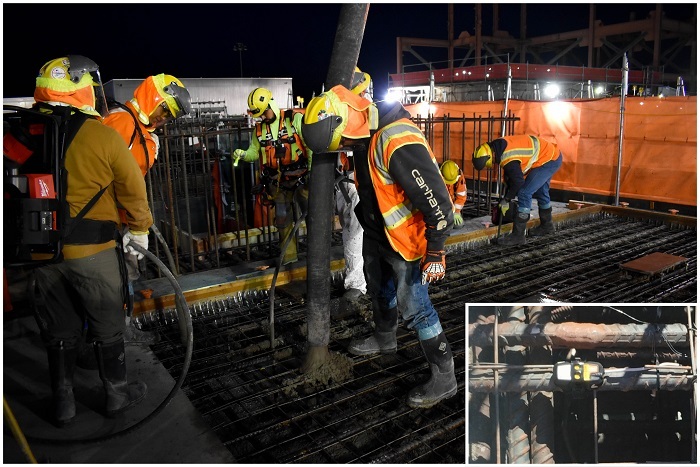
RICHLAND, Wash. — Construction crews recently created two concrete placements using new wireless temperature sensors at the Hanford Site Waste Treatment and Immobilization Plant’s High-Level Waste Facility. The sensors, which are permanently embedded in the concrete during placement, record temperatures as the concrete cures to ensure it meets nuclear quality standards. Engineers monitored the temperatures remotely in real time via a website and app, eliminating the need for physical monitoring and allowing for greater flexibility in scheduling more concrete placements. The sensors upload temperature readings every 15 minutes to a central hub on the facility’s roof and alert engineers if temperatures fall below the desired threshold. Time-lapse footage of one placement is available here.
-Contributor: Tyler Oates
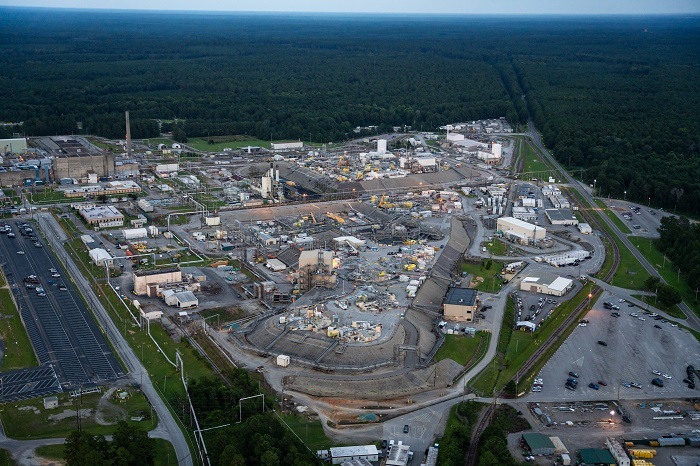 A record amount of radioactivity has been reduced over the last two years in waste tanks at the Savannah River Site.
AIKEN, S.C. — A record amount of radioactivity has been reduced over the last two years in waste tanks at the U.S. Department of Energy Office of Environmental Management (EM)’s Savannah River Site (SRS).
More than 23 million curies have been processed from the waste since February 2022, when Savannah River Mission Completion (SRMC) assumed operation of the SRS liquid waste project — the most processed in a two-year period. SRMC is EM’s contractor responsible for safely treating and disposing of the millions of gallons of waste remaining in the underground tanks at SRS.
That achievement has brought the amount of radioactivity to a record low in the SRS tank farms. For the first time in SRS liquid waste program history, less than 200 million curies — a unit of measurement for radioactivity — remains in the tanks. For comparison, there were 562 million curies in 1996 when the Defense Waste Processing Facility (DWPF) began operating. Today, that number is 198 million.
While some of the radioactivity decays naturally, most of the curie reduction has been through EM’s radioactive liquid waste processing facilities. These facilities, including the Salt Waste Processing Facility (SWPF) along with DWPF, are operated by SRMC.
Jim Folk, DOE-Savannah River assistant manager for waste disposition, said each curie removed from the tank waste at SRS is a gain for EM because it ensures a safer environment for the surrounding communities in which it serves.
“The longer the curies in the waste remain in the tanks, the longer the risk remains at SRS,” Folk said. “Knowing that, we remain committed to executing the best strategy in which to remove the waste containing the greatest risk more quickly and efficiently than ever before.”
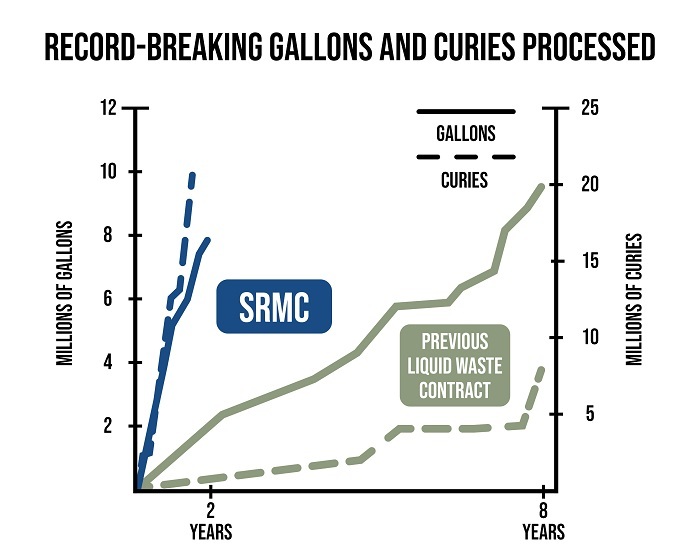 More than 23 million curies have been processed from the waste in underground tanks at the Savannah River Site since February 2022, when liquid waste contractor Savannah River Mission Completion assumed operation of the liquid waste project. This reduction marks a milestone in the site’s liquid waste program history: Less than 200 million curies remain in the tank waste inventory.
Curies are reduced from the waste by removing the highly radioactive sludge, where the majority of the curies are found in the high-activity radionuclides like cesium and strontium, from the tanks. The sludge is treated at DWPF, where it is vitrified and poured into stainless steel canisters safe for long-term storage and disposal.
Increased production at SWPF has also accounted for the curie-reduction milestone. The salt waste, which takes up most of the tank waste volume and half the radioactivity, is decontaminated at SWPF using solvents and an extraction process. The decontaminated salt solution is then sent to the Saltstone Production Facility, where it is mixed with dry materials to create a grout, which is then poured into saltstone disposal units to harden into a form safe for permanent onsite disposal.
SRMC’s strategy is to aggressively pursue waste removal in tanks with the most curies first as SRMC works toward operational waste tank closure, according to Mike Borders, SRMC optimization and integration director.
“Through a strategic and optimized risk-reduction approach, SRMC is processing the material with more radioactivity sooner in the SRS Liquid Waste System Plan than ever before,” Borders said. “Working this plan is delivering excellent results and proving the path to completion of the liquid waste mission.”
One example of excellent results from SRMC’s strategy is achievement of preliminary cease waste removal of Tank 10, achieved in May — delivering a federal and state milestone seven months ahead of schedule. SRS also recently reached that milestone for Tank 9.
-Contributor: Colleen Hart
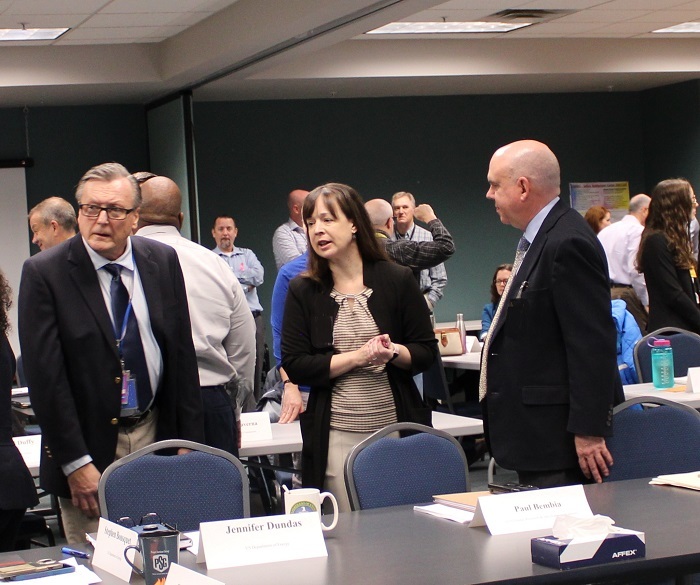 Pictured from left at the West Valley Demonstration Project’s regulatory roundtable: Paul Bembia, New York State Energy Research and Development Authority (NYSERDA) program director; Kristen Ellis; U.S. Department of Energy Office of Environmental Management associate principal deputy assistant secretary for regulatory and policy affairs; and John Williams, NYSERDA vice president for policy and regulatory affairs.
WEST VALLEY, N.Y. — The U.S. Department of Energy Office of Environmental Management’s (EM) West Valley Demonstration Project hosted a roundtable event with the New York State Energy Research & Development Authority to update the site’s regulators on current and future cleanup.
“Communicating with our regulatory colleagues is crucial to achieving cleanup progress at the West Valley Demonstration Project site,” said Kristen Ellis, EM associate principal deputy assistant secretary for regulatory and policy affairs. “It was great to meet in October to resume in-person dialogue and start building a common vision with federal and state partners to address the remaining environmental challenges.”
The daylong meeting provided an opportunity to ask questions and hear from subject matter experts on a variety of key topics, including a project update, environmental monitoring, onsite dam spillway repair and future contract work scope focused on soil remediation and other activities.
“This is a team effort that involves all the agencies as we strive to meet or exceed our regulatory compliance standards and minimize potential impacts from site cleanup operations,” said Jennifer Dundas, EM West Valley assistant director of Technical Services. “Through engagement, involvement and communication, we strive to seek valuable input from the regulatory community as we take the next steps toward site decommissioning and closure.”
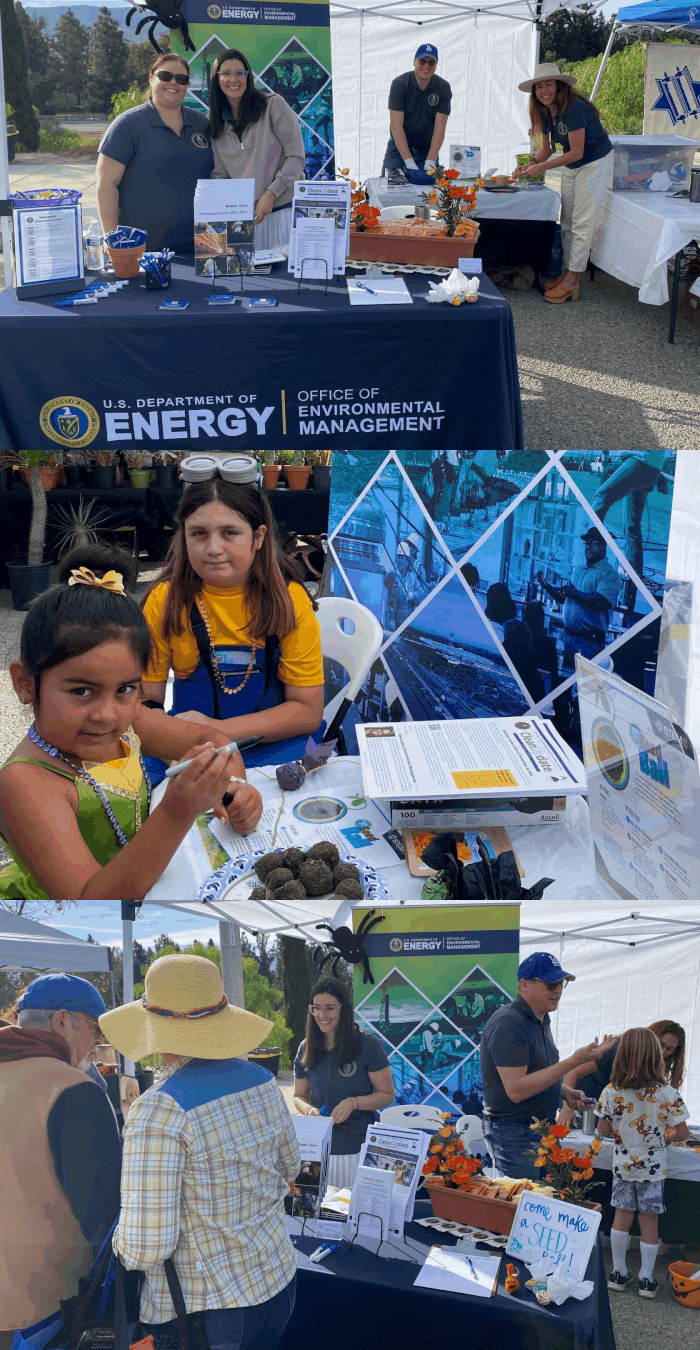
SIMI VALLEY, Calif. — Over 20,000 members of the community took to the pavement at the recent Simi Valley Street Fair. The U.S. Department of Energy (DOE) Office of Environmental Management (EM) Energy Technology and Engineering Center (ETEC) team at the Santa Susana Field Laboratory hosted a booth among more than 380 vendors showcasing local art, crafts, businesses and culinary delights.
The twice-yearly event, sponsored by the Simi Valley Chamber of Commerce, featured a “pumpkin jubilee” theme. Children participated in a coloring contest, and they dressed in Halloween costumes for trick-or-treat at the booths. Participants of all ages competed in a pumpkin carving contest.
People attending the fair stopped by the EM booth, where staff provided information and answered questions about ETEC work at the site and science, technology, engineering and math, or STEM, careers at DOE. The booth team members also handed out materials, including an ETEC CleanUpdate newsletter, internship resources and the EM Strategic Vision.
The EM representatives were joined by community leaders, civic organizations, local fire and police departments, school districts and educators, and other prominent members of the Simi Valley community.
A highlight at the EM booth was the seed ball activity. Guests took balls of soil, clay, water and California Poppy seeds, wrapped them with tissue paper and decorated them like pumpkins, bats and other spooky creatures to take home and plant in their yards.
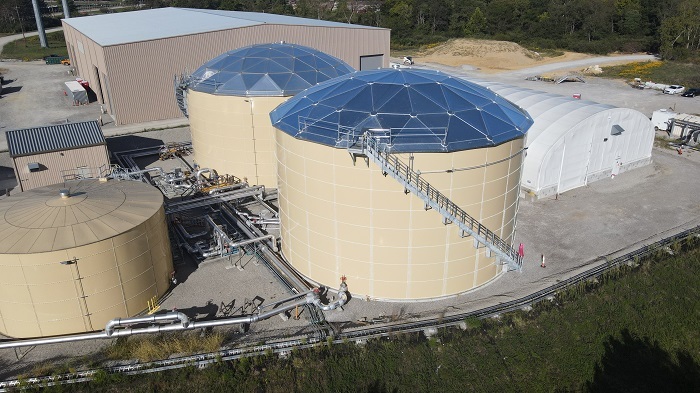 Workers finished construction on a 1 million-gallon tank ahead of schedule at the Portsmouth Site. The tank, pictured in the foreground, supports an interim leachate treatment system for the On-Site Waste Disposal Facility.
Tank to store wastewater, leachate from On-Site Waste Disposal Facility
PIKETON, Ohio — Crews at the Portsmouth Site recently completed construction of a storage tank designed to hold 1 million gallons of wastewater and leachate from the On-Site Waste Disposal Facility.
Crews began constructing the tank in March and finished it in September, weeks ahead of schedule.
“Getting the 1 million-gallon tank online will help us continue to meet our goals and to work efficiently,” Portsmouth Site Lead Jeremy Davis said. “Working together to accomplish this task and utilizing the available technology is a testament to our dedication to the Portsmouth Site cleanup.”
 |
|
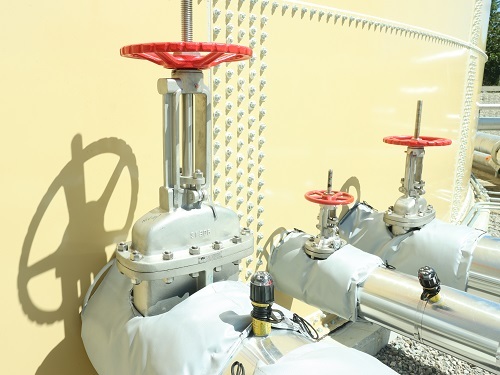
Crews at the Portsmouth Site completed valves and piping connections for a 1 million-gallon tank supporting an interim leachate treatment system for the On-Site Waste Disposal Facility in September. |
The disposal facility provides a cost-effective, reliable and on-site location for the safe disposal of an estimated 5 million cubic yards of debris and engineered fill from the U.S. Department of Energy Office of Environmental Management mission at the site.
Workers customized the new tank to fit the designated space. The vessel is designed to store excess wastewater for an interim leachate treatment system. Leachate is water from rain and snowmelt.
With the addition of the tank, the next waste placement cell at the disposal facility can become operable.
“This additional storage tank is a critical component to allow the On-Site Waste Disposal Facility waste placement to proceed uninterrupted while the full permanent leachate treatment system plant is being built,” On-Site Waste Disposal Facility Project Manager Jack Hughes said.
The interim leachate treatment system can process 400 gallons of water per minute. Initially, leachate water goes through pretreatment and then either to a water treatment facility or to the 1 million-gallon storage tank for future treatment.
-Contributor: Michelle Teeters
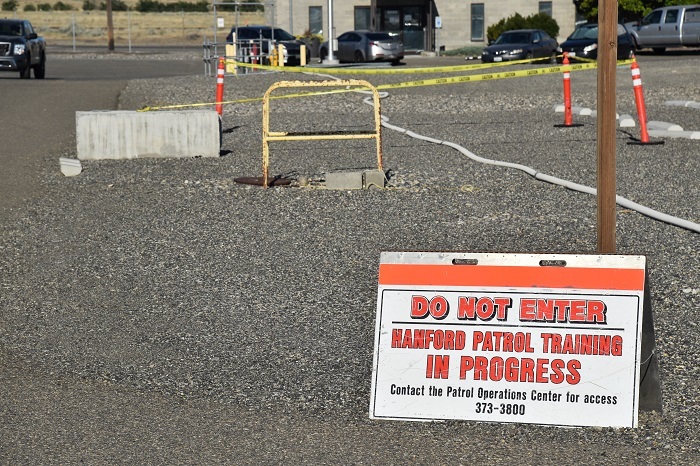 Before running an active assailant drill on the Hanford Site, Hanford Patrol prepped the location to safeguard participants and other workers in the area.
RICHLAND, Wash. — More than 60 first responders from multiple agencies recently participated in an active assailant workshop at the Hanford Site, which included a drill to establish a unified response across the site in the event of an emergency.
Personnel from numerous agencies participated in a monthslong planning process, developing a detailed training plan and final training drill. The drill team simulated an onsite active shooter situation to evaluate emergency personnel activities and response, including testing emergency communications and response times. The team members also ensured procedures were followed for breaching and clearing buildings of any active risks.
“Safe and secure operations are at the forefront of our mission at the Hanford Site, and we are committed to the continuous improvement and innovation of our training and safety standards,” said Tim Haddick, director of Hanford’s Security and Emergency Services Division.
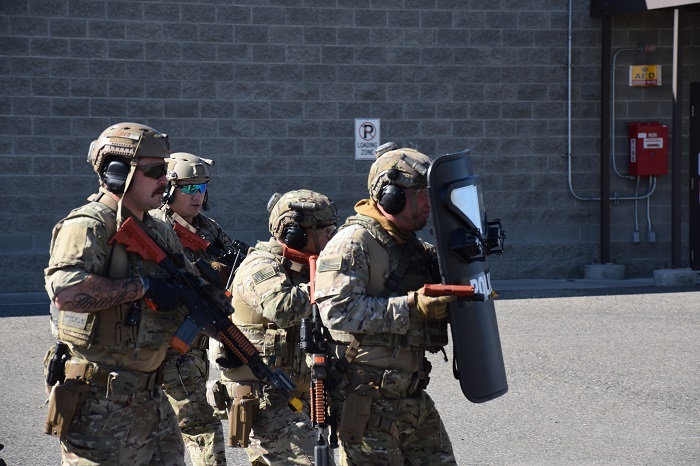 Hanford Patrol officers prepare to enter their target building during an active assailant drill on the Hanford Site.
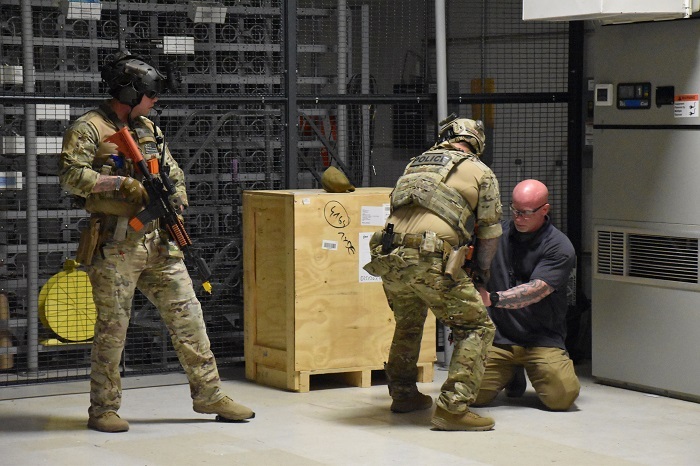 An active assailant drill “shooter” is located within a target building and taken into custody by Hanford Patrol officers, while remaining officers clear the building of potential hazards prior to the emergency medical services response.
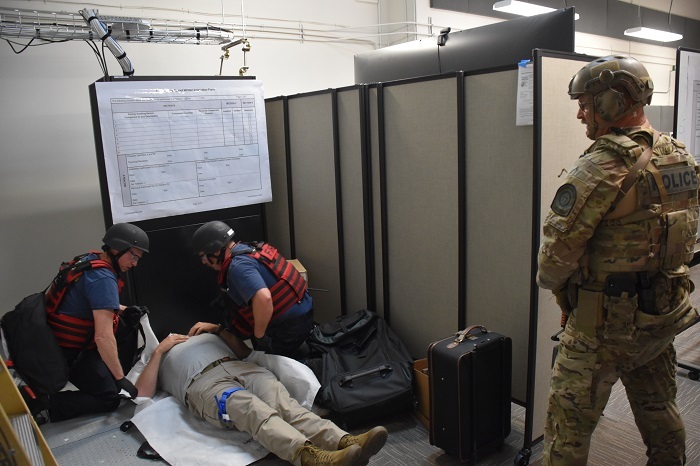 Hanford Fire Department and Hanford Patrol personnel conduct injury scenarios in an emergency situation as part of an active assailant drill on the Hanford Site.
Participants included Hanford Fire Department, Hanford Patrol staff and Operations Center, Pacific Northwest National Laboratory Security staff and Security Operations Center, and Emergency Preparedness and Emergency Management teams from site contractor Hanford Mission Integration Solutions.
“Each fiscal year, Hanford Patrol spends roughly one month conducting various active assailant training activities,” said Paul Hughes, Hanford Patrol deputy chief of operations support and training. “We recognize that this type of incident is one of the threats any large organization may face.”
In 2023, Hanford Patrol hosted an active assailant training event with the National Nuclear Security Administration, with over 150 personnel from around the DOE complex participating.
-Contributor: Shyanne Palmus
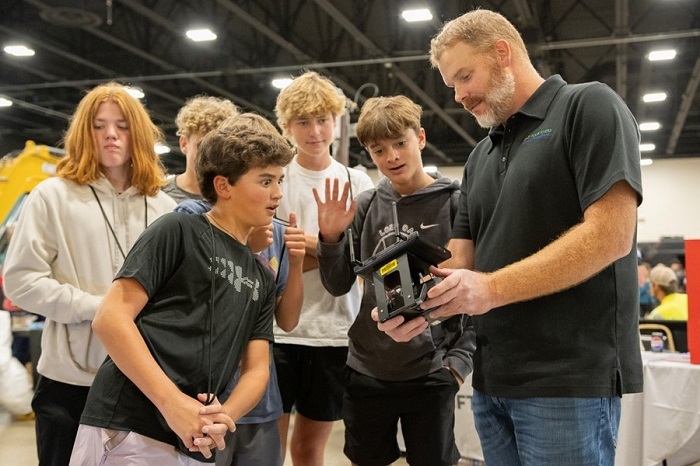 Nondestructive assay technician Dustin Crane, right, demonstrates a robot to local middle school students at the WKY Launch Experience. The robot is similar to the ones used to inspect equipment at the Paducah Site. Crane is with Paducah Site contractor Four Rivers Nuclear Partnership.
PADUCAH, Ky. — A study in the International Journal of STEM Education identified the importance of role models encouraging students to see themselves as capable of succeeding in science, technology, engineering and math career fields.
Ensuring the next generation of students have a career path in these fields is a top priority for U.S. Department of Energy Office of Environmental Management (EM) sites across the cleanup complex.
Recently, Paducah Site contractors showcased the site’s STEM careers during the WKY Launch Experience, a premier career exploration event for local middle school students. WKY stands for West Kentucky.
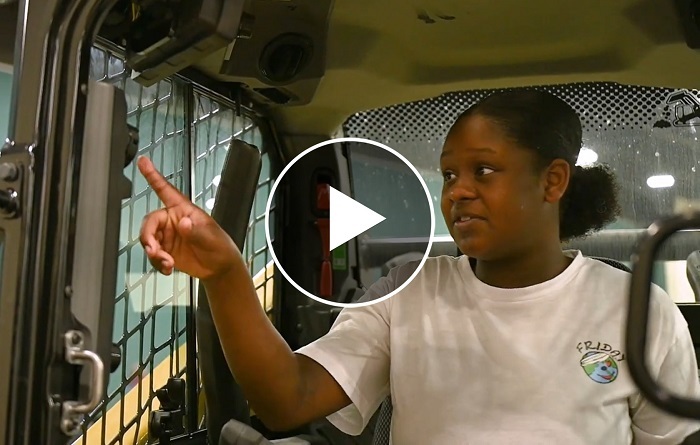 EMTV: In this video, Paducah Site contractors introduce students to the dynamic array of job opportunities at the site during the WKY Launch Experience.
Organized by the Paducah Area Chamber of Commerce and supported by EM and site contractors, the WKY Launch Experience is designed to introduce students from the region to interactive exhibits and hands-on activities, offering a glimpse into potential careers within the community.
“Participation in the WKY Launch Experience aligns with our commitment to fostering the next generation of skilled professionals,” Paducah Site Lead April Ladd said. “By engaging with students at this critical stage in their education, we hope to inspire interest in the technical fields essential to the continued success at our site.”
 |
|
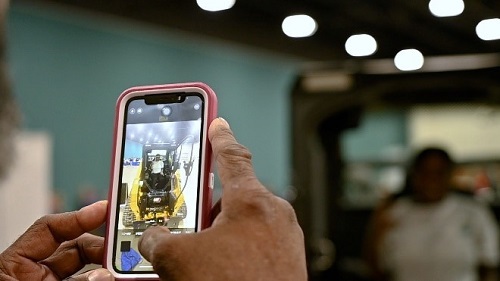
A Paducah Site contractor takes a photo of a student exploring a construction vehicle during a demonstration of heavy equipment at the WKY Launch Experience. |
The WKY Launch Experience gave EM and its contractors the opportunity to highlight careers available at the Paducah Site. They also were able to provide role models to demystify STEM careers and make them seem more attainable by showing success in these fields is achievable for the students. By providing diverse paths to success in STEM for the Paducah Site at the WKY Launch Experience, role models inspire students to pursue careers they may not have previously considered.
“We appreciate the contractors at the Paducah Site participating in the WKY Launch Experience,” said Sandra Wilson, president and CEO of the Paducah Area Chamber of Commerce. “This event is important to share information with our local students about future careers at the site.”
-Contributors: J.T. Crawford, Dylan Nichols
|