Journal of Indo-Pacific Affairs, vol. 6, no. 3
United States Air Force sent this bulletin at 04/24/2023 08:39 AM CDT
Vol. 6, No. 3 (March–April 2023)
Features
|
|
Title: Finding the Right Model: The Joint Force, the People’s Liberation Army, and Information Warfare Author: B. A. Friedman Abstract: This article discusses the similarities and differences between the US military and the People’s Liberation Army (PLA) of China in their approach to information advantage and decision advantage. The article argues that despite major differences in approach, both militaries are seeking to model and conceptualize information advantage and decision advantage. Interestingly, the PLA’s use of the American concept of the Observe-Orient-Decide-Act (OODA) Loop provides a key to understanding their organizational approach to information warfare. The article suggests that modeling information warfare on the OODA Loop, as intended by its creator USAF colonel John Boyd, could provide a clear path to achieving decision advantage. The article highlights the need to unify offensive and defensive information warfare, recognizing that everything a military force does takes place inside the information environment and must be planned and coordinated as such. The article concludes that the United States has so far seemingly mastered the information age warfare that the PLA aspires to, and the joint force can retain this comparative advantage only by constant refinement and integration of information warfare throughout the force. The article suggests that while the PLA’s concepts and doctrine may offer potential vulnerabilities, the United States should also be wary of blindly adopting the PLA’s approach, as it may fall short of the leap from industrial to information age warfare. Keywords: OODA loop, observe, orient, decide, act, John Boyd, People’s Liberation Army, China, decision advantage, modeling, information warfare, Indo-Pacific |
|
|
Title: Accelerating Change to Survive Author: Lt Col Ross F. Graham, USAF Abstract: Geographic combatant commands (GCC) are the central actors in urgently driving necessary changes to the austere trauma life chain so that trauma survivability in peer combat can be maintained. Similar to how a kill chain consists of the discrete steps of find, fix, track, target, engage, and assess, the austere trauma life chain consists of the discrete steps of triage, rapid intervention, resuscitation, surgery, and evacuation. With the risk of peer war and large-scale combat operations growing swiftly, the pace of standard military change is wholly inadequate, and GCCs must transform mindsets by rapidly prioritizing and enacting life-chain improvements. They can do this by applying a paradigm of evaluating what opportunities are currently available, broadly applicable, cost conscious, and have demonstrated effectiveness (ABCD). This ABCD paradigm can assist in prioritizing potential changes, while promoting a bias toward innovation and action that can urgently improve today’s peacetime life chain for tomorrow’s peer combat. Keywords: trauma life chain, geographic combatant command, peer war, ABCD paradigm, available, broadly applicable, cost conscious, demonstrated effectiveness, Indo-Pacific |
|
|
Title: The Ambitious Dragon: Beijing’s Calculus for Invading Taiwan by 2030 Author: MAJ Kyle Amonson, US Army & CAPT Dane Egli, US Coast Guard, Retired Abstract: Chinese president Xi Jinping has a strategic window, in the 2030 timeframe, when favorable conditions exist to forcefully annex Taiwan if peaceful unification is not achieved before then. This hypothesis is based upon the fact that an emboldened China intends to fulfill its imperial—and geostrategic—objectives through expansionist behavior against Taiwan. The three main factors examined are (1) President Xi’s “cult of personality” as a totalitarian leader to support the why of the invasion timeline, (2) the People’s Liberation Army (PLA) defense modernization as an enabling planning factor, and (3) Chinese demographics against the backdrop of domestic election cycles and President Xi’s life expectancy. These three factors offer a strategic harbinger that, if President Xi continues to pursue annexation of Taiwan, the PLA will be prepared by 2027, and he will likely take steps to realize these ambitions by 2030 as China’s population ages, while pursuing unification to solidify his historic legacy in his lifetime. This article will begin with an overview of the current geopolitical tensions, provide an explanation for the fundamental factors contributing to President Xi’s window of opportunity, and conclude by providing an integrated assessment of relevant global security. Keywords: Taiwan, China, invasion, Xi Jinping, cult of personality, defense modernization, population demographics, geopolitics, Indo-Pacific |
|
|
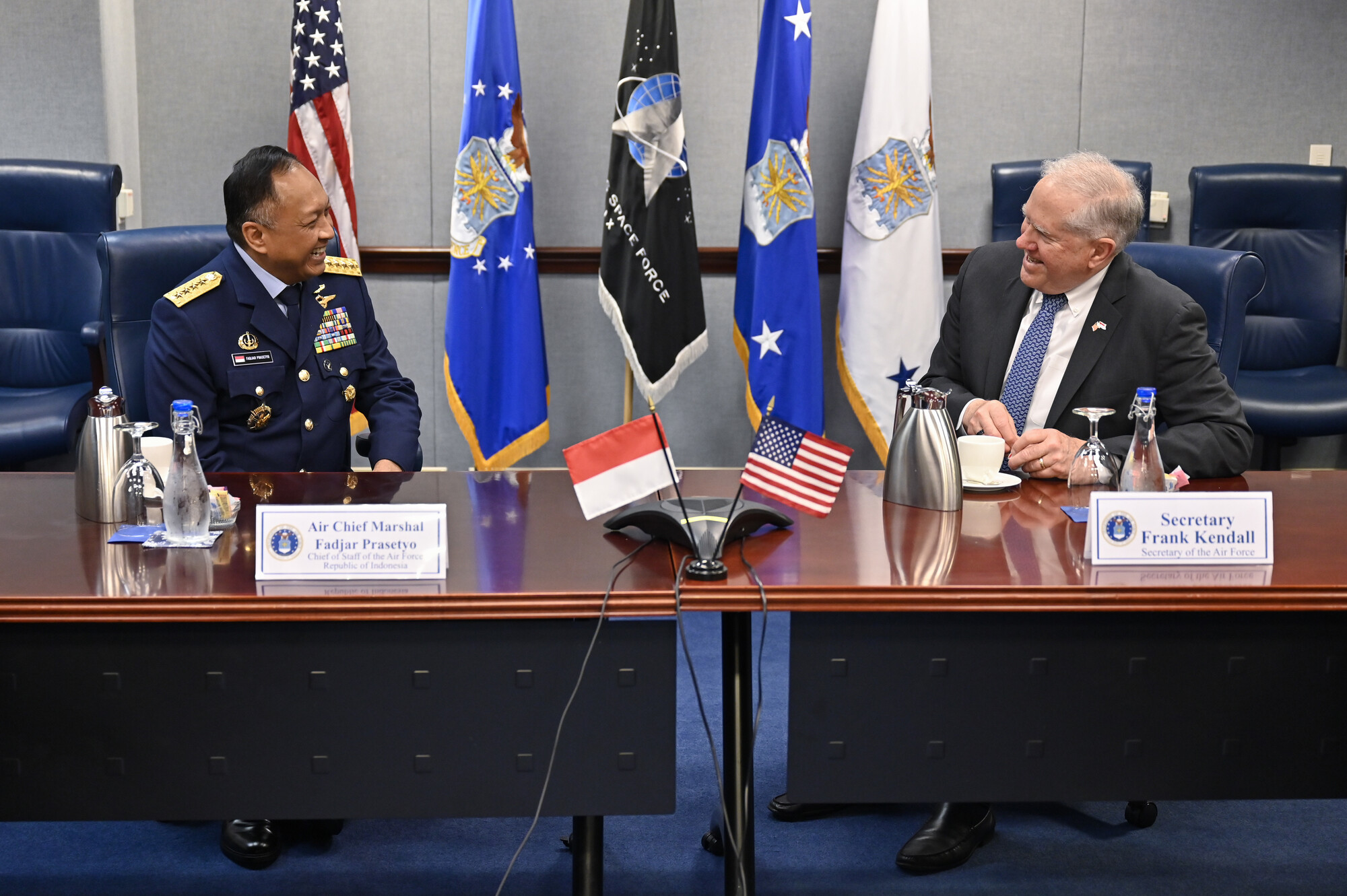
Title: The US–Indonesian Strategic Partnership and Air Force Relations Author: Dr. Stephen Burgess Abstract: This article analyzes the strategic partnership between the United States and Indonesia, focusing on their air force relations in the context of China's territorial claims in the South China Sea and Indonesia's Natuna Sea. The author assesses Indonesia's security challenges, military capabilities, and the country's expectations from the US and its air force in terms of capacity-building and capability development. The article also evaluates the potential scenarios for the future of the US-Indonesian engagement with a focus on the need for balancing regional security and internal stability. Drawing on a decade of research, the author concludes that the US partnership with Indonesia is crucial for maintaining regional stability, promoting diplomacy, and advancing self-defense capabilities. The US can continue to build partnerships with other Southeast Asian countries to prevent disputes with China from escalating into a war. Keywords: Indonesia, airpower, strategic partnership, capacity building, capability development, Southeast Asia, regional security, Natuna Sea, Indo-Pacific |
|
|
Title: Russia’s Invasion of Ukraine: Cementing US Global Preeminence Author: Dr. Raj Verma and Dr. Björn Alexander Düben Abstract: This article argues that contrary to some scholars' opinions, the Russian invasion of Ukraine has helped to cement the United States’ preeminent position in global affairs. Through the provision of large-scale military aid and assistance to Ukraine, Washington and its allies have weakened Russian military and economic capabilities, reducing Moscow’s role as a great power. A weakened Russia may also strain China’s economic ties with Moscow, as China’s own economic growth slows. Additionally, Beijing’s closer cooperation with Russia exposes Chinese enterprises to secondary sanctions and risks antagonizing European states, reducing China–Europe trade and economic cooperation, as well as technology transfers. This could impede China’s great-power potential and its ability to challenge US hegemony in the Indo-Pacific and globally. Keywords: Ukraine, Russia, invasion, China, Taiwan, Europe, trade, hegemony, geopolitics, geoeconomics, Indo-Pacific |
|
|
Title: Limited Hard Balancing: Explaining India’s Counter Response to Chinese Encirclement Author: Dr. Tanveer Ahmad Khan Abstract: The growing influence of China in South Asia has caused concern for India. China’s alliance with Pakistan, India’s arch-rival, is troubling for New Delhi. Additionally, China’s flagship Belt and Road Initiative program, the China–Pakistan Economic Corridor (CPEC), is seen as a geopolitical move to limit India’s influence in the subcontinent. In response, New Delhi has adopted a comprehensive strategy to counter China’s challenge in India’s immediate vicinity. This includes a broad set of policy measures, such as reaching out to neighboring countries, embracing like-minded allies and partners, and adopting a tit-for-tat approach to counter China’s moves. The article argues that New Delhi’s strategy is aimed at containing China's influence in the region while also safeguarding India’s own interests. Keywords: India, China, Pakistan, geopolitics, geoeconomics, Belt and Road Initiative, BRI, foreign policy, Indo-Pacific |
|
|
Title: Indo-Pacific Strategies: What Do They Entail for India? Author: Dr. Pankaj Vashisht Abstract: The Indo-Pacific construct has gained considerable traction over the past couple years. Adopting this new geographical concept for regionalism, most influential countries have spelled out comprehensive strategies for their engagement with the region. These strategies are expected to reshape the global security and economic architecture. Given the geographical positioning, global tilt toward the Indo-Pacific has direct implications for India. This article examines the Indo-Pacific strategies of different countries to identify the areas where India’s interests converge with other participating countries. It argues that despite varying in contour, the Indo-Pacific strategies of leading global powers converge on several important issues including supply-chain diversification, cyber and maritime security, and improving connectivity, which opens interesting economic opportunities for India. Keywords: India, strategy, Indo-Pacific, supply chain, cyber, maritime security, connectivity, geoeconomics, China, geopolitics |


Views
|
|
Title: Challenges in Transforming Airpower in the Twenty-first Century Author: Wg Cdr Shivkumar N. Pohare VM, Indian Air Force Abstract: This article argues that airpower’s effectiveness is not solely defined by technological advantage, control of air, or capability to undertake strategic or tactical air strikes but rather by the synergy between the services and members of alliances and the adaptability of industry and people. The article examines lessons from World War II and shows that the coordinated action of all three services of the United States showcased how a technologically and numerically superior enemy can be defeated. The article highlights that what matters ultimately is achieving political and strategic objectives that protect and advance national interests and are preferably attained cost-effectively. The author also emphasizes the importance of alliances and collaboration with like-minded countries to tackle China’s hegemonic intentions collectively and the need for a continued effort toward integration during peacetime to synergize the efforts of all services. Finally, the article argues that airpower’s effectiveness is not limited to defense forces but spans the industrial domain. Keywords: India, airpower, China, national interests, alliances, collaboration, hegemony, Indo-Pacific, industrial domain, geopolitics, lessons learned |
|
|
Title: Denying Command of the Air: The Future of Taiwan’s Air Defense Strategy Author: CPT Matthew Revels, US Army Abstract: Russia’s invasion of Ukraine in late February 2022 sparked growing concern among many that Taiwan may be the next nation to suffer from the revanchist policies of a totalitarian regime. As the war continues to drag on, it is becoming increasingly apparent that Taiwan can learn valuable lessons from Ukraine’s ability to thwart Russia’s military dominance, particularly in the air domain. How can Taiwan use the air domain to deter or defeat a potential Chinese amphibious landing asymmetrically? To address the question, this article examines contemporary Chinese military writings and doctrine and draws on Julian Corbett’s theory of sea denial, applying the tenets of this theory to Taiwanese airpower strategy. Taiwan’s overwhelming airpower disadvantage dictates that Taipei must abandon plans to contest the People’s Liberation Army for air superiority and adopt a strategy of gradual air denial that will attrit People’s Liberation Army Air Force aircraft and deny China the ability to seize control of the island quickly. Keywords: Russia, Ukraine, invasion, Taiwan, China, airpower, air denial, air superiority, PLAAF, Indo-Pacific, INDOPACOM, PACAF |
|
|
Title: The People’s Liberation Army’s Command and Control Affects the Future of Out-of-Area Operations Author: LT Jasmin Alsaied, US Navy Abstract: This article analyzes the challenges that China faces in developing an effective command-and-control (C2) structure to support its out-of-area military operations. Beijing’s expanding global interests, unresolved territorial disputes, and increasing economic opportunities necessitate a strong military presence, which China hopes to achieve through a proficient out-of-area operations force. However, the current over-centralized decision-making process within the Central Military Commission (CMC) and its Joint Staff Department (JSD) causes inefficiencies in decision making and undermines the autonomy of unit-level operations outside of the First Island Chain. The article identifies the need for improvements in interservice collaboration, theater command responsibilities, and overall global C2 infrastructure to create a more effective and autonomous force. Additionally, the article discusses China’s approach to the division of labor between theater commands and services and the role of political commissars in out-of-area operations. The article concludes that unless China makes these necessary changes, it will struggle to protect its increasingly global interests. Keywords: China, command and control, out-of-area operations, Indo-Pacific, division of labor, People’s Liberation Army |
|
|
Author: Dr. Suleyman O. Altiparmak, Dr. Cameron G. Thies, Dr. Shade T. Shutters, and Dr. Keith Waters Abstract: Russia’s annexation of Crimea, which began in late February 2014, was met with economic sanctions by a US-led coalition. These measures included a ban on the provision of technology for oil and gas exploration and a ban on the provision of credits to Russian oil companies and state banks. These sanctions were intended to affect the Russian national budget immediately and thereby “punish” Russia through nonmilitary means. However, sanctions have also led to consequences that were likely unintended and potentially undesirable. As Russia was being pushed to find new customers for its fuel exports, China was also increasing its investments abroad to secure its energy needs. The result has been to drive China and Russia into a highly interdependent relationship initiated by oil trade. Moreover, this increasing interdependency between Russia and China has been accompanied by decreasing oil interdependency between China and Iran. Finally, we use limited data to speculate on impacts of the recent 2022 sanctions on Russia and find that, in contract, these newer sanctions have increased interdependence between the EU and China. Keywords: Russia, Ukraine, China, Iran, Europe, sanctions, oil trade, energy, invasion, geoeconomics, geopolitics |
|
|
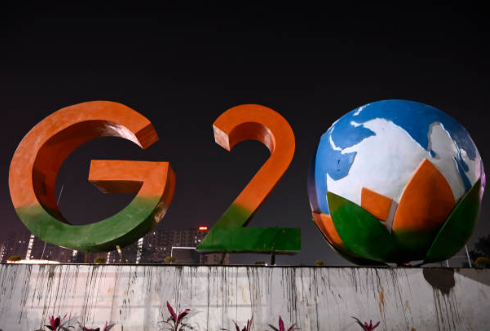
Title: India’s G20 Presidency and the Death of Democracy in Myanmar Author: Bhupendra Kushwaha Abstract: This article explores the challenges India faces in upholding its aspiration of becoming a democratic world leader while holding the G20 presidency, given its nonchalant approach toward the erosion of democracy in Myanmar. Despite claiming to be the “mother of democracy,” India’s indifference toward the ongoing civil war in Myanmar and the increasing proximity of its military leaders with China contradicts its aspirations of becoming a world leader. As India marches toward fulfilling its role as a democratic global power, persistent violent attacks on democracy and rule of law in its eastern neighborhood pose a direct threat to its strategic and economic interests in the Indo-Pacific region. The article sheds light on the implications of the military rule in Myanmar for India during its G20 presidency. Keywords: India, Myanmar, G20, democracy, Southeast Asia, strategy, Indo-Pacific, China |
|
|
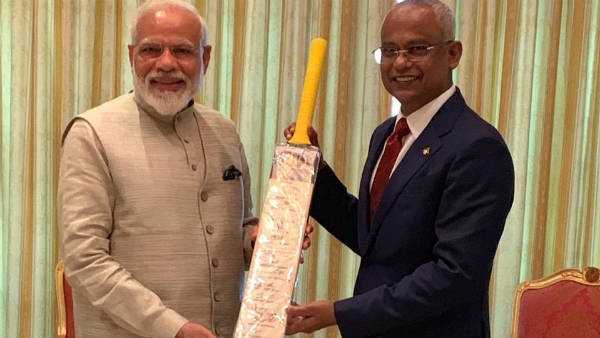
Author: Pratyush Paras Sarma and Anubhav Shankar Goswami Abstract: Recently, India has increased its engagement with Maldives. This development coincides with the growing strategic competition between India and China over the Indian Ocean’s littoral states. New Delhi has employed a range of hard- and soft-power instruments to operationalize India’s smart-power influence in Maldives. However, the “India Out” protests and #saveaddu online campaigns have exposed the lack of equilibrium between India’s hard and soft power in its smart-power matrix. This study argues that India needs to prioritize its soft-power inputs in Malé to restore the balance in its smart-power matrix. Therefore, the objective of this article is to offer recommendations on how New Delhi can optimize its hard and soft power by promoting cricket diplomacy as a soft-power tool to enhance India’s national influence in the Maldives. Keywords: India, Maldives, South Asia, cricket, diplomacy, soft power, hard power, smart power, international relations, influence, geopolitics, Indo-Pacific |

Commentary
|
|
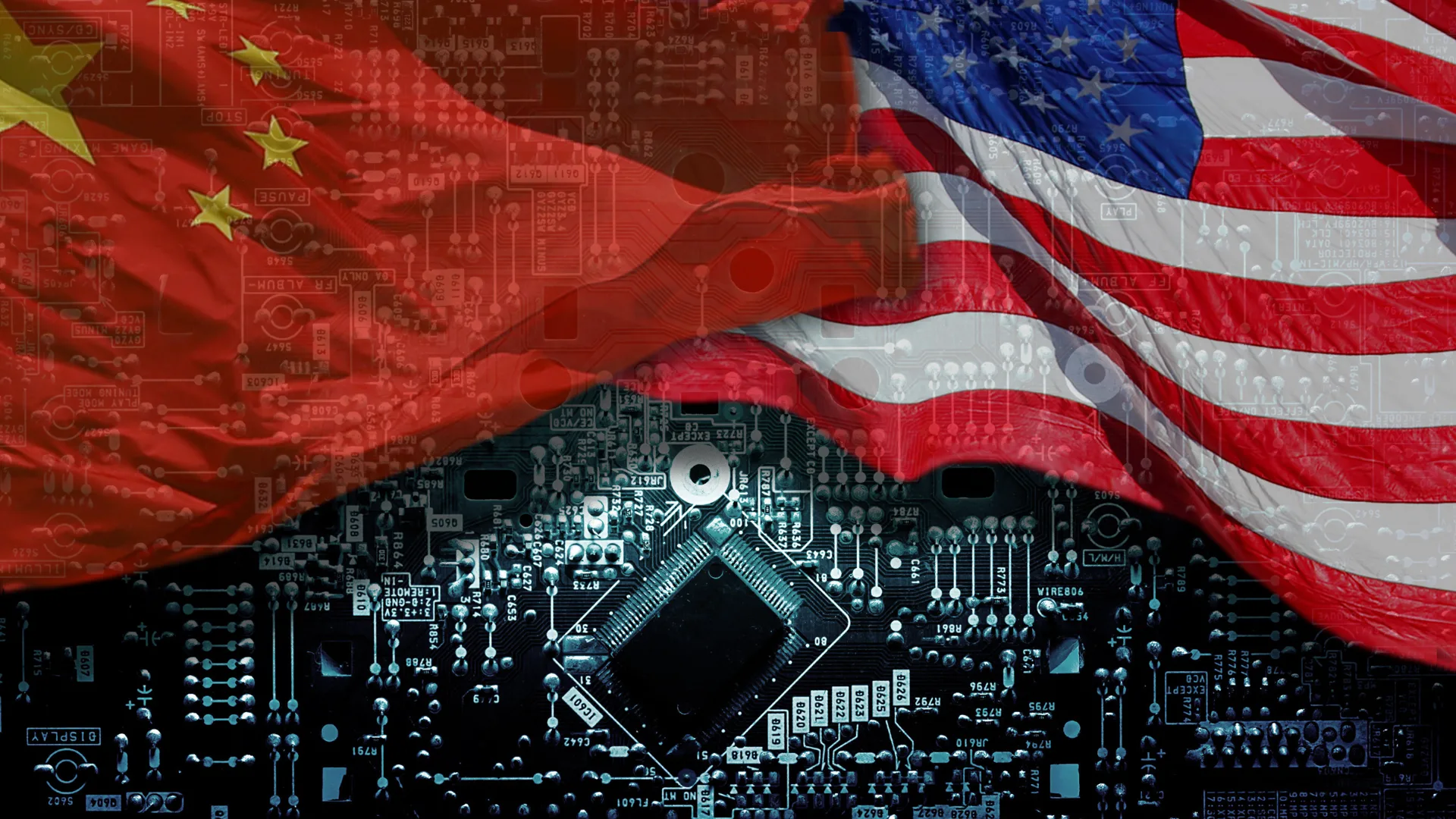
Title: Seize the Technological High Ground for Success in Great-Power Competition Author: Col Jonathan Varoli, USAF Abstract: Beijing’s crucial advantage in great-power competition with the United States is China’s application of military and economic power in pursuit of advanced technology and capabilities. Over the past 30 years, China developed and fielded capabilities to counter US power and is now on a path to achieve technological dominance over the United States by obtaining leap-ahead technologies through a continued focus on defeating US systems and the fusion of China’s civilian and military economic sectors. Despite China’s military and economic capacity and bold plans, Beijing lacks partners and allies. The United States must expand its relationships with other nations to include research and development of new capabilities, not merely transferring technology. By leveraging its partners’ broad and diverse technology investments and talents, the United States can mass research-and-development efforts to counter China’s high-tech breakout and avoid being outgunned and outmatched. Keywords: China, great-power competition, geoeconomics, technology, research and development, Indo-Pacific, geopolitics |
Podcasts
|
|
Indo-Pacific Visions Vodcast Episode 10 Christopher Kolakowski, director, Wisconsin Veterans Museum, & reviewer/contributor, Journal of Indo-Pacific Affairs, interviews military historian Dr. John C. McManus on the topic of the continued relevance of the Pacific War on contemporary Indo-Pacific affairs https://www.dvidshub.net/video/880582/indo-pacific-visions-episode-10 |

Book Reviews
|
|
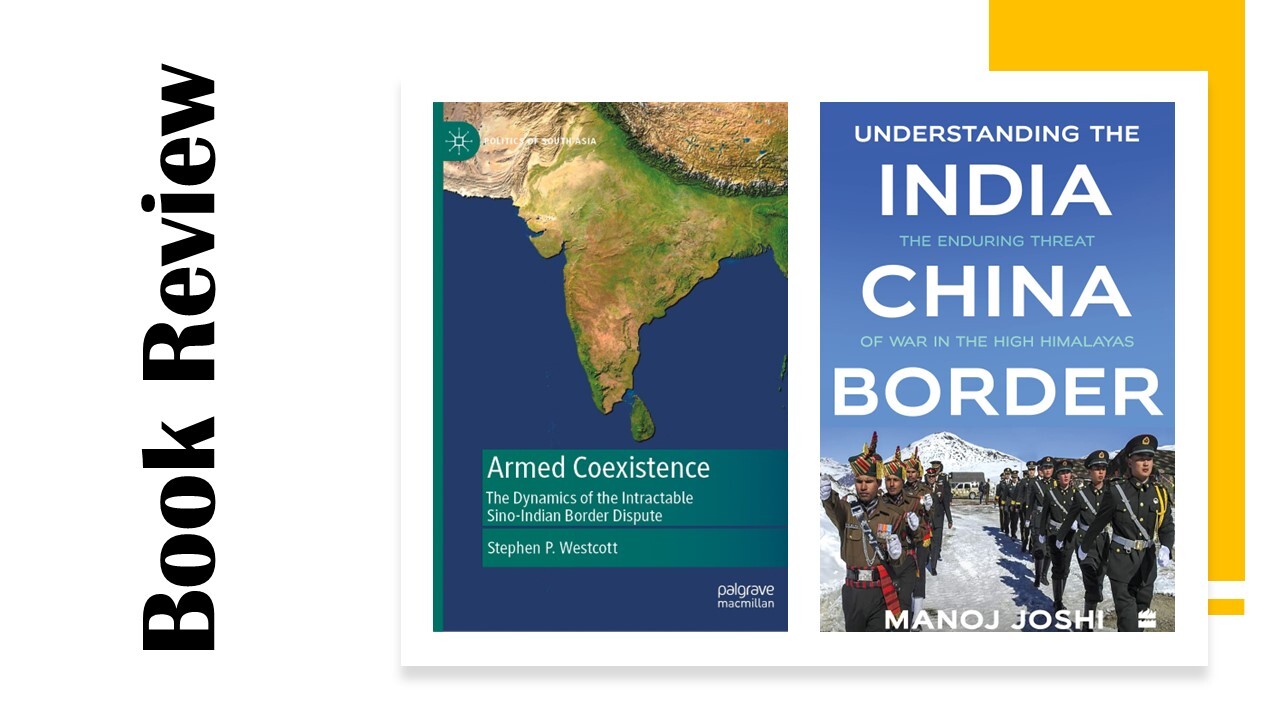
Dual Book Review: Understanding the India-China Border: The Enduring Threat of War in High Himalaya, by Manoj Joshi. Oxford: Oxford University Press, 2022; and Armed Coexistence: The Dynamics of the Intractable Sino-Indian Border Dispute, by Stephen Westcott. Singapore: Palgrave Macmillan. |
|
|
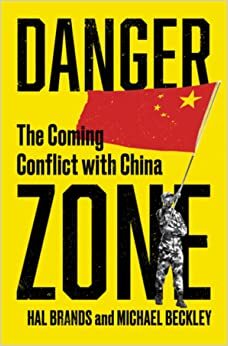
Book Review: Danger Zone: The Coming Conflict with China, by Hal Brands and Michael Beckley. New York: W. W. Norton & Company, 2022. |
|
|
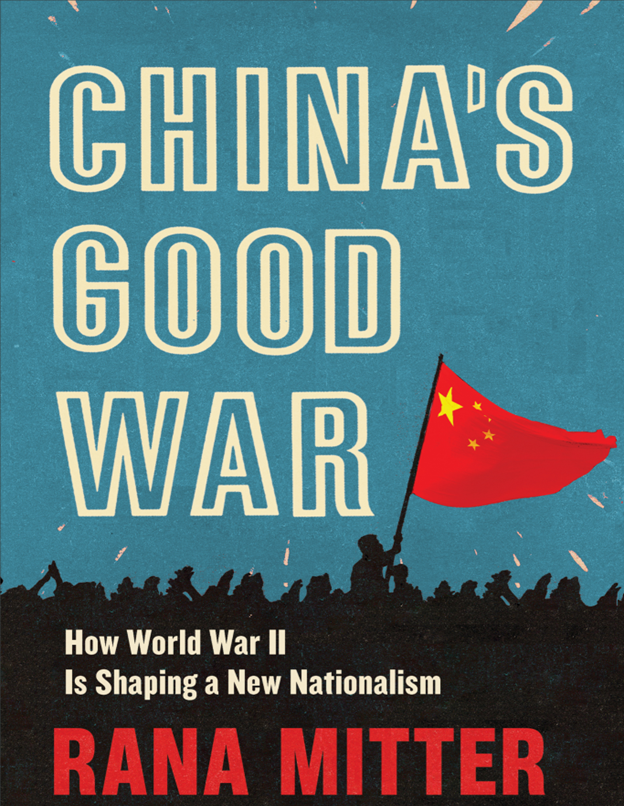
Book Review: China’s Good War: How World War II Is Shaping a New Nationalism, by Rana Mitter. Harvard University Press, 2020 (ISBN 9780674984264) |