New issue of the Journal of Indo-Pacific Affairs focusing on Arctic security
United States Air Force sent this bulletin at 10/03/2022 08:15 AM CDT
Arctic Security
Journal of Indo-Pacific Affairs, vol. 5, no. 5 (September–October 2022)
In collaboration with the University of Alaska Fairbanks’ Center for Arctic Security and Resilience, we return to the theme of Arctic security—a topic rendered more pressing in the aftermath of Russia’s invasion of Ukraine and China’s continued aggressive behavior. Guest editors Lt Col Richard D. Newton, PhD, USAF, retired; MSG Troy J. Bouffard, MA, USA, retired; and LTC Cameron D. Carlson, PhD, USA, retired, bring together a stellar cast of authors from across the Arctic to present their views on a variety of issues facing the region, including great-power competition, Nordic allies and partners, NATO, international fora, reactivation of US Arctic forces, and more.
Senior Leader Perspectives
|
|
Title: Campaigning at the Top of the World: Arctic Security and Homeland Defense Author: Gen Glen D. VanHerck, USAF Abstract: Defending the homeland is the number one priority for the United States, the Department of Defense (DOD), and my commands: North American Aerospace Defense Command (NORAD) and US Northern Command (USNORTHCOM). NORAD’s area of responsibility includes the North American Arctic, and USNORTHCOM is the DOD’s advocate for Arctic capabilities. We know too well the Arctic is not only critical to the United States and Canada, but is of growing importance to our strategic competitors: the People’s Republic of China and Russia. To ensure the Arctic remains stable and secure, the United States and its allies and partners must demonstrate a consistent commitment to the region. Keywords: Arctic, security, campaigning, USNORTHCOM, NORAD, homeland defense, China, Russia, great-power competition, strategy, near-Arctic, Polar Silk Road, Ted Stevens Center, TSC, North American Aerospace Defense Command, US Northern Command |
|
|
Title: Arctic Strategy: Deterrence and Détente Author: Maj Gen Rolf Folland, Royal Norwegian Air Force Abstract: The guiding principle for NATO’s political strategy toward Russia for the past 50 years was defined in the 1967 Harmel Report—a dualistic approach based on deterrence and détente. This double-track approach came as a response to intense Cold War relations in the mid-1960s that required a revision of the Alliance’s policy. The Harmel Report is still relevant, but the dynamics on the northern flank have changed. This article offers valuable insight into how Norway must rebalance its Arctic policy against the strategic backdrop of increased global rivalry, Arctic volatility, and the war in Ukraine. It argues that Norway should lean its Arctic strategy more toward deterrence to avoid exploitation by a revisionist and aggressive Russia while continuing to mitigate a potential security dilemma through active dialogue and cooperation on regional matters. Keywords: NATO, deterrence, détente, Arctic, geopolitics, Russia, Ukraine, Norway |
|
|
Title: Forging the Arctic Warrior: Joint Pacific Multinational Readiness Center–Alaska Author: MG Brian S. Eifler, USA, and Troy J. Bouffard Abstract: As defense and security concerns increase over growing access and competitive interests in the circumpolar North, the United States continues to develop Arctic operational purpose and capabilities. The Department of Defense’s (DOD) newest combat training center (CTC) in Alaska represents key infrastructure and exercise grounds for US Army forces in Alaska to pursue required military readiness certification. The Joint Pacific Multinational Readiness Center–Alaska (JPMRC–A) also facilitates a range of opportunities for combined, joint, and service component forces develop and test Arctic operational capabilities unlike any other training installation in the world. As the fourth established CTC capable of handling brigade-on-brigade (plus) forces in the physical and nonphysical domains, JPMRC–A will serve as the ultimate Arctic training and testing grounds for the US Army as well as sister and allied services. The purpose of this article is to explore these developments and present insights involving the importance of developing DOD’s Arctic Warriors and the role of the Arctic CTC. Keywords: Joint Pacific Multinational Readiness Center–Alaska, JPMRC–AK, Arctic, Russia, USNORTHCOM, training, readiness, 11th Airborne Division, Northern Warfare Training Center, NWTC |
|
|
Title: Landpower, Security, and the European Arctic Author: MG Peter B. Andrysiak, Jr., USA, and Lt Col Richard D. Newton, PhD, USAF, Retired Abstract: Arctic experts talk about the circumpolar region as three Arctics—North American, European, and Russian (sometimes called Asian)—each with unique physical characteristics that heavily influence their defense and security considerations. The differences between the regions are usually expressed in terms of climate, topography, geography, populations, resources, and infrastructure. Because the Arctic is intended to be a zone of peace and cooperation, nations with Arctic interests normally focus on nonmilitary, security topics such as food security, economic security, energy security, and environmental security. Less addressed are the military threats to peace and stability in the Arctic. This article will examine those emerging military threats in the European Arctic and High North that are challenging the United States, its allies, and its partners. Keywords: Arctic, security, Europe, US European Command, USEUCOM, landpower, NATO, training, exercises |
|
|
Title: Special Operations Command North: Leading Special Operations Forces into the North American Arctic Authors: BG Shawn R. Satterfield, USA, and Lt Col Sky B. Jensen, USAF Abstract: This article begins by describing how Special Operations Command North (SOCNORTH), as a Theater Special Operations Command (TSOC), supports US Northern Command’s (USNORTHCOM) primary mission of homeland defense. Next, it explains why deploying special operations forces (SOF) to the region signals the importance of the Arctic to US national interests, as the Arctic emerges as an arena for strategic competition. It then presents SOCNORTH’s Northern Approach and how each vector within the plan achieves the objectives of enhancing integrated deterrence and layered defense. Finally, the article explains how SOCNORTH operationalized Northern Approach during exercise Arctic Edge 2022. The article concludes with a description of lessons learned being applied, tactic, techniques, and procedures put into action, and a vision for future SOF operations in the Arctic. Keywords: Special Operations Command North, SOCNORTH, theater special operations command, US Northern Command, USNORTHCOM, US Special Operations Command, USSOCOM, Northern Approach, Arctic, special operations forces, SOF, tactics, techniques, procedures, TTP, Arctic Edge |
|
|
Title: Alaska’s Strategic Importance: Remarks by Gen James N. Mattis, USMC, Retired Author: Gen James N. Mattis, USMC, Retired Abstract: On Saturday, 11 June 2022, Senator Lisa Murkowski (R–AK) hosted retired general and former Secretary of Defense James N. Mattis at the Fairbanks Military Appreciation Banquet. In his remarks, Secretary Mattis highlighted Alaska’s growing role in global security as the Arctic warms and the Indo-Pacific region becomes the primary theater of concern for our nation’s military defense. With the general’s kind permission, a transcript of his remarks is shared. Keywords: Arctic, Indo-Pacific, priority theater, Alaska, strategy, geopolitics, speech |
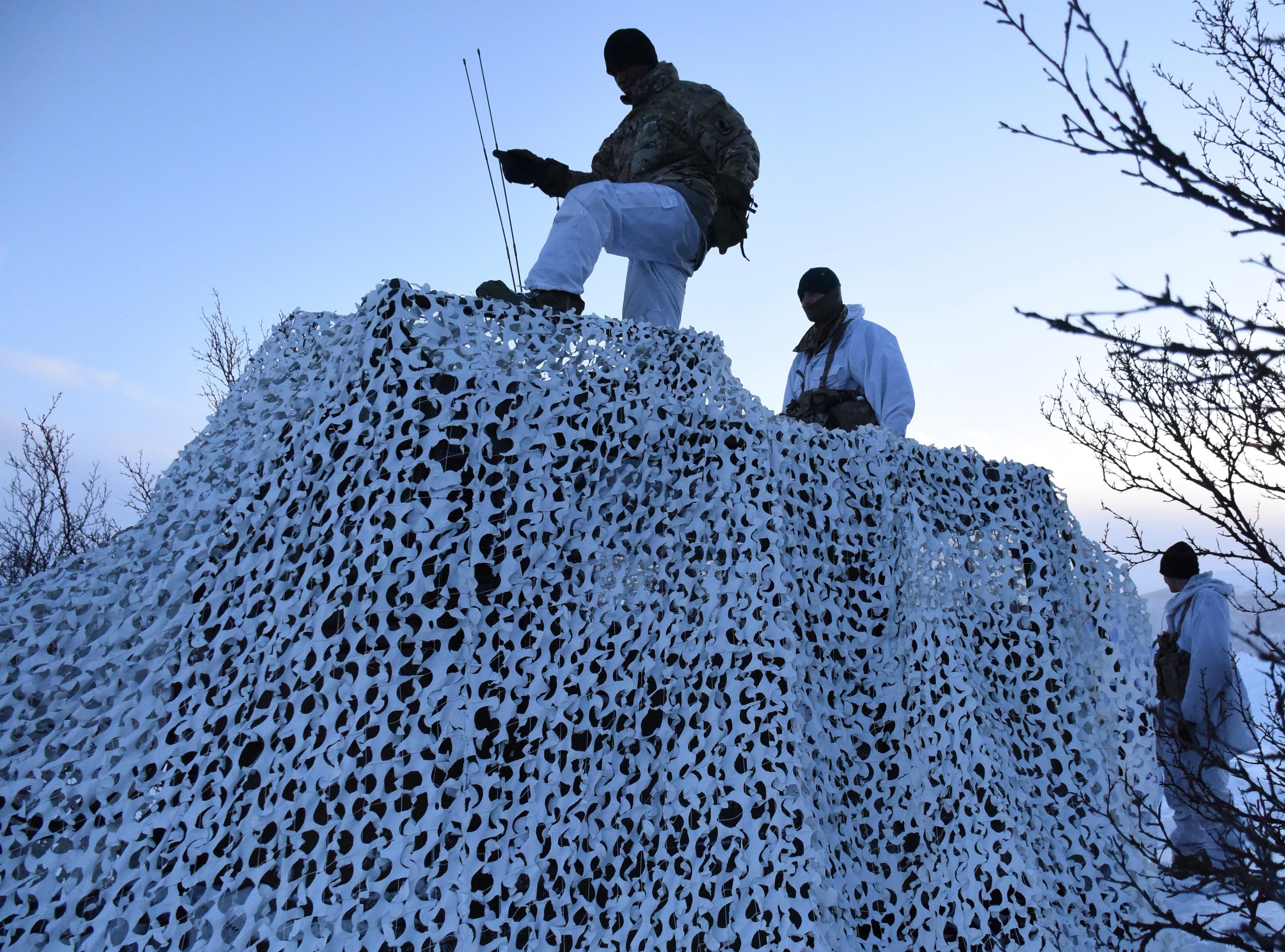
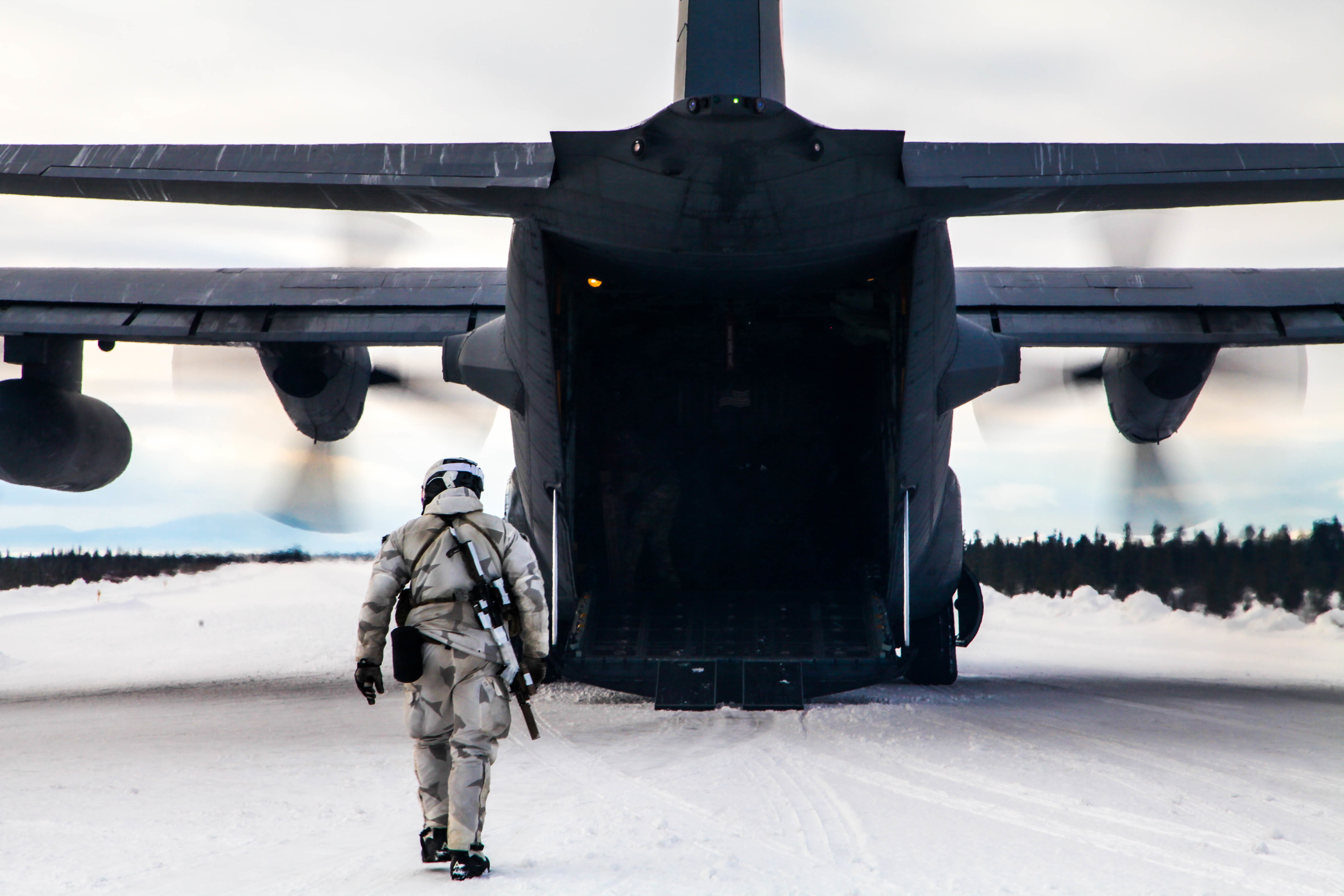

Features
|
|
Title: The Russian Invasion of Ukraine Freezes Moscow’s Arctic Ambitions Authors: Dr. Elizabeth Wishnick and Dr. Cameron Carlson Abstract: This article explores how the 2022 Russian invasion of Ukraine has upended and reshaped Arctic security, institutions, and partnerships. With Arctic governance institutions that include Russia, such as the Arctic Council, on pause and scientific collaboration with Russia interrupted, the military dimension has overshadowed Arctic cooperation—while highlighting the traditional security risks of dependence on fossil fuels and distracting attention from other key Arctic issues such as climate change and the socioeconomic development of indigenous communities. Russia’s ambitions for agency as Arctic Council chair have been thwarted, and Moscow’s plans for economic development of the Russian Arctic and Northern Sea Route are in doubt. Although some regional cooperation continues through multilateral agreements, the path forward for dialogue on traditional and nontraditional security in the Arctic remains uncertain. Keywords: Russia, Ukraine, invasion, Arctic, Arctic Council, Northern Sea Route, Barents Euro-Arctic Council, Arctic Coast Guard Forum, NATO, sanctions, China, Indo-Pacific, nontraditional security |
|
|
Title: Securing a Blue Arctic Century: Assessing Multilateral Institutions in Great-Power Competition Author: Dr. Walter Berbrick Abstract: This article explores the roles, relevance, and limitations of existing international institutions and mechanisms to address the underlying conditions that could lead to misperceptions and instability in the Arctic region. It offers a framework for policy makers to reinforce, restore, and scale current multilateral mechanisms and assess new ones to increase security dialogue and prevent misperceptions in the Arctic region. This framework calls for an inclusive, tailored approach to address the unique circumstances within and across Arctic subregions and to elevate the voices of non-Arctic states to jointly seek practical solutions to prevent conflict between military forces operating in and through the region. The United States must take a long-term view, working closely with the other seven Arctic states and with like-minded non-Arctic states. Modernizing US military capabilities and pursuing a strategy of deterrence and forward defense in the Arctic region must be balanced with persistent and practical dialogue and diplomacy. Pursuant to this approach, the US Department of Defense must actively lead in international institutions in areas where enhanced military force postures and hybrid operations threaten US and partner strategic interests in the Arctic region. Keywords: Arctic, Blue Arctic, multilateralism, great-power competition, China, Russia, climate change, Arctic Council, NATO, Organization for Security Co-operation in Europe, OSCE, European Union, Northern Sea Route, Polar Route, Northwest Passage, Barents Euro-Arctic Council, Arctic Coast Guard Forum |
|
|
Title: Why China Is Not a Peer Competitor in the Arctic Author: Dr. P. Whitney Lackenbauer, Dr. Adam Lajeunesse, and Ryan Dean Abstract: The People’s Republic of China (PRC) asserts that it is a “near-Arctic state” and an “important stakeholder in Arctic affairs” with the right to a greater role in Arctic governance. China’s interests in and future designs for the region have become a staple of the burgeoning literature on Arctic security and governance, seemingly legitimizing China’s claim to be a core actor in the circumpolar North. This article questions such narratives, which tend to echo Beijing’s own narrative about the importance and significance of China’s Arctic presence. We contend that, although the Arctic fits within Beijing’s broader global agenda of shaping the international system, China is not a peer or even near-peer of the Arctic states in an Arctic context. In overinflating the importance of China as a regional actor, commentators have often overstated the scale of Chinese investment and other forms of engagement in the Arctic. China’s push into the Arctic has met far more resistance, and its presence remains far more tenuous, than Beijing advertises. Keywords: China, Arctic, great-power competition, Indo-Pacific, near-Arctic state, Chinese dream, Polar Silk Road, wolf warrior, Russia |

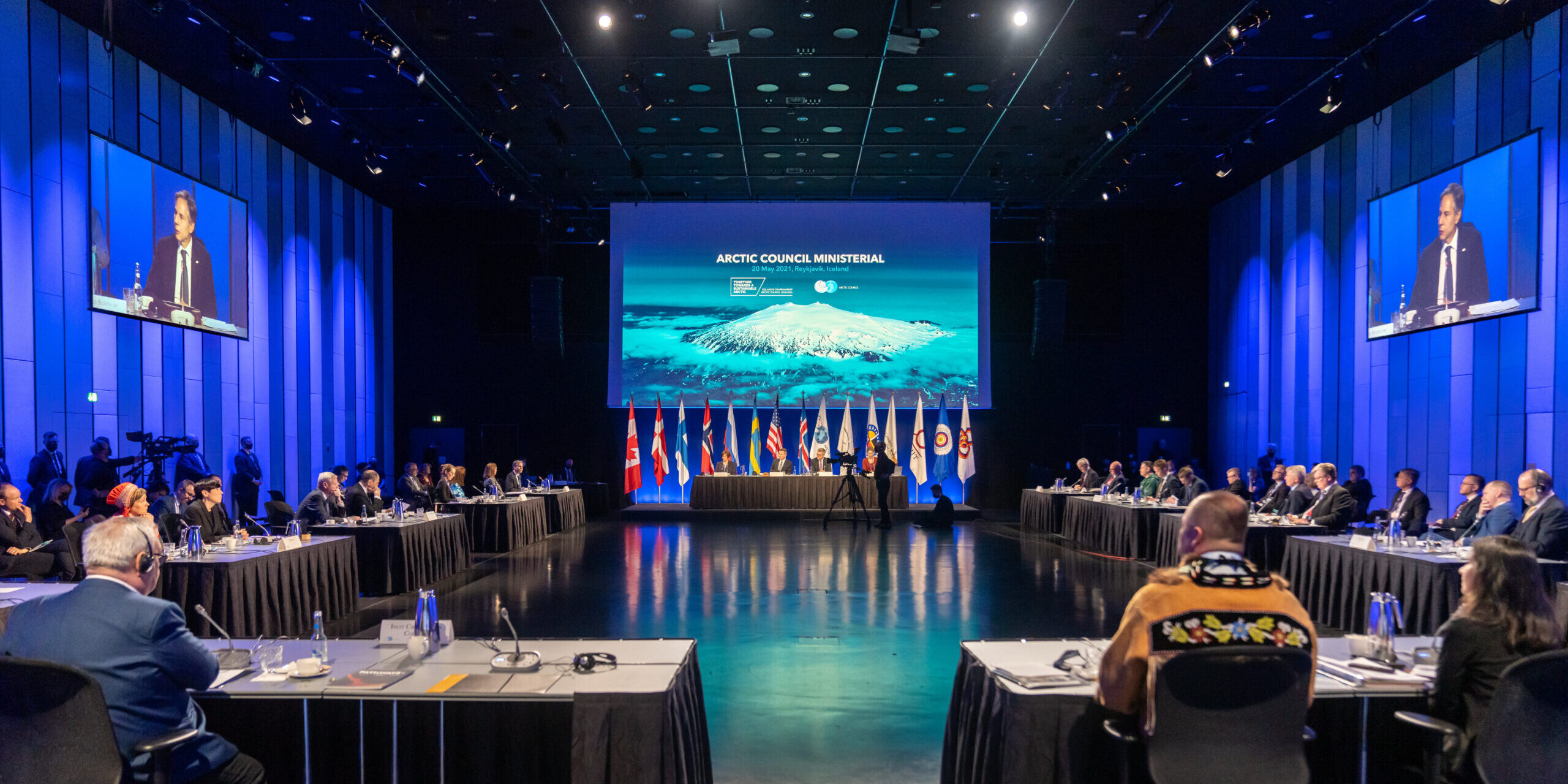
Views
|
|
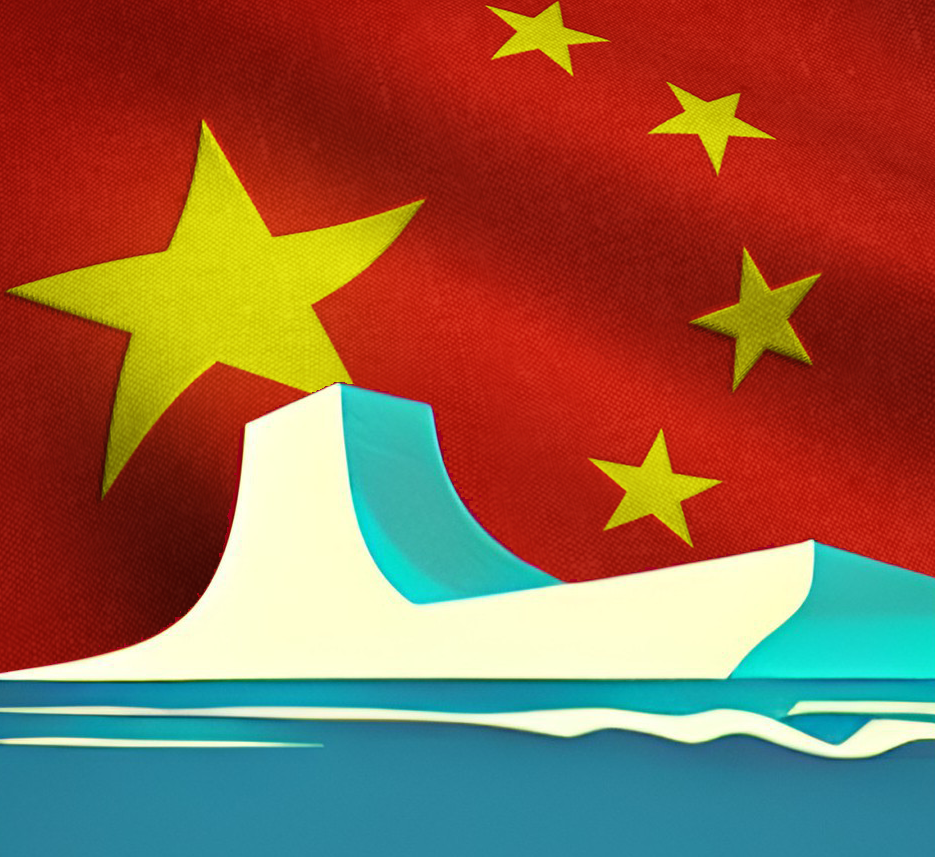
Title: Melting a Chinese Iceberg Author: CAPT Tuan N. Pham, USN, Retired Abstract: Beijing consequently pursues a classic Chinese strategy, first proposed by Sun Tzu, to “win without fighting” in the Arctic by setting the stage, seizing the initiative, and consolidating wins. To counter this asymmetric strategy, Washington should also heed Sun Tzu and pursue an enduring cumulative strategy of integrated deterrence and gray-zone campaigning to undercut China’s Arctic strategy, weaken the developing Sino-Russian Arctic alliance, curb Beijing’s aspiring Arctic Council ambition, and undermine China’s developing Arctic partnerships by holistically, asymmetrically, and continuously imposing costs, encouraging restraints, denying the benefits or objectives, and winning the narratives. Keywords: China, PRC, Arctic, CCP, strategy, near-Arctic state, Arctic Council, Russia, Indo-Pacific |
|
|
Title: Above the Arctic: Increased Security in the Arctic through Cooperation in Space Author: Lt Col Kjetil Bjørkum, Royal Norwegian Air Force Abstract: This article will first look at how the use of space will provide increased security in the Arctic. It will then use the US and Norway’s space and Arctic strategies as examples of coinciding topics of interest and illustrate how cooperation in these areas may be of benefit to both nations. Finally, using the United States and Norway as examples, the article will suggest three lines of effort in a combined space strategy among allies in the Arctic. Keywords: Arctic, space, Norway, United States, ISR, reconnaissance, intelligence sharing, strategy, NATO, space domain awareness, communication, PNT, positioning, navigation, timing, launch capacity |
|
|
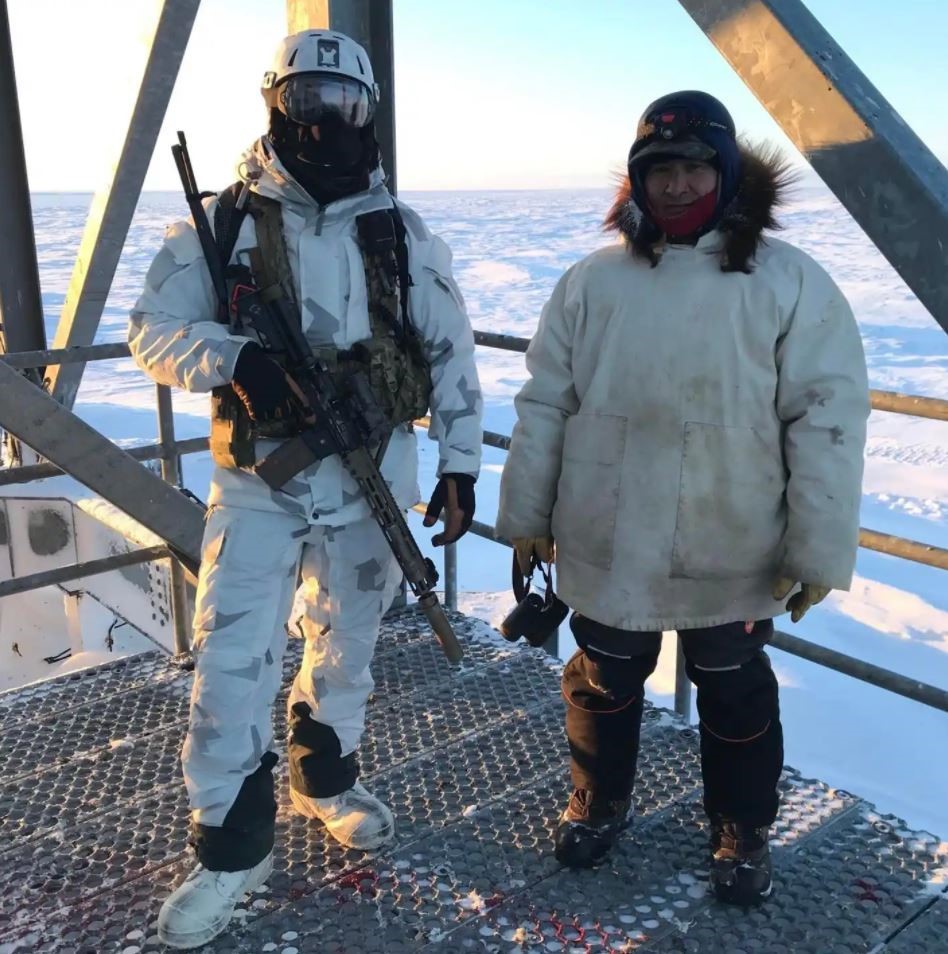
Authors: MAJ W. Barrett Martin, USA; MAJ Michael K. Tovo, USA; and MAJ Devin Kirkwood, USA Abstract: This article explores various requirements needed for the Department of Defense to be competitive in the Arctic region. In particular, the role of US Army Arctic Special Operations Forces should be developed and leveraged as part of competitive operational solutions. While capability definitions and gaps remain a persistent doctrinal challenge in development and implementation, history, culture, exercises, and allies could greatly contribute to Arctic ARFSOF progress. Furthermore, Indigenous knowledge must be acknowledged and leveraged to ensure the greatest chance for enduring Arctic operational success. Only then will all the specialized gear and training lead to genuine competitive advantages needed to deter adversaries and secure the homeland. Keywords: Arctic, security, domain awareness, Indigenous approach, special operations forces, SOF, Russia, China, Arctic capability, Special Forces, training, equipping, 10th Special Forces Group, Arctic Edge, Vigilant Shield, Arctic Warrior, Ted Stevens Center for Arctic Security Studies, TSC, Canadian Rangers, Sirius Patrol, High North, ARSOF, TTP |
|
|
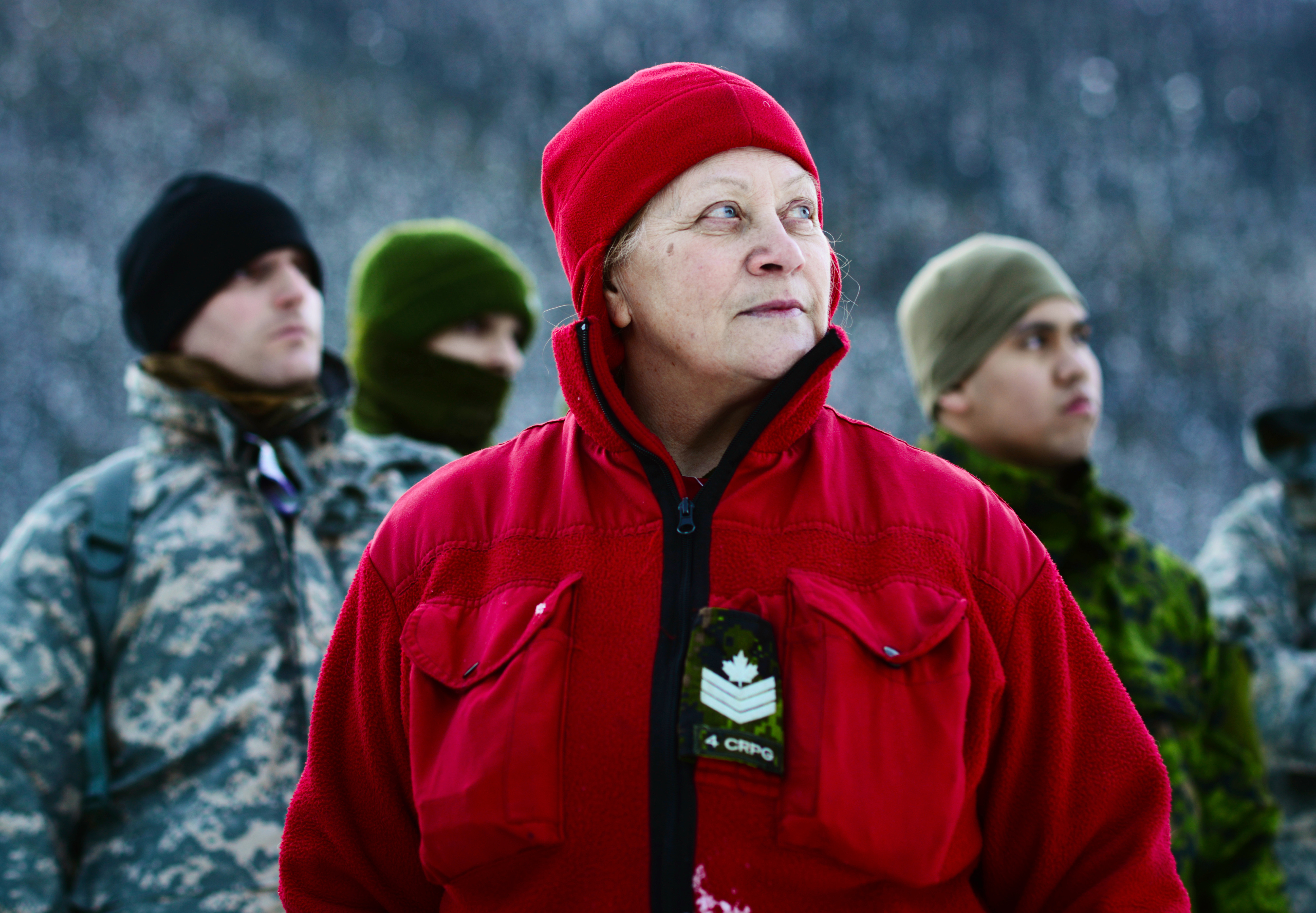
Authors: LTC James R. Morton, Jr., PhD, USAR, and Dr. Ryan Burke Abstract: Climate change is reshaping global geopolitics, and the Arctic is now in the crosshairs of geostrategic competition. Because of these changes, more stakeholders than ever are strategizing about the Arctic. Special operations forces (SOF) have a global mission in support of US national security objectives, and the Arctic is increasingly relevant to US national security and the security of North America. Therefore, SOF commands in Canada, the United States, and the Kingdom of Denmark must integrate the Arctic into their missions as a region of increasing relevance and necessity to defend and secure their homelands. In collaboration with Indigenous communities of the North, SOF must understand and develop its future role within the North American Arctic. To do so and intentionally shape the future Arctic, SOF must align with and learn from the Indigenous people of the High North and share the responsibility for defending the homeland. Keywords: Indigenous peoples, Alaska, Arctic, Greenland, Canada, Alaska Natives, Canadian Rangers, Sirius Dog Sled Patrols, special operations forces, SOF |

Commentaries
|
|
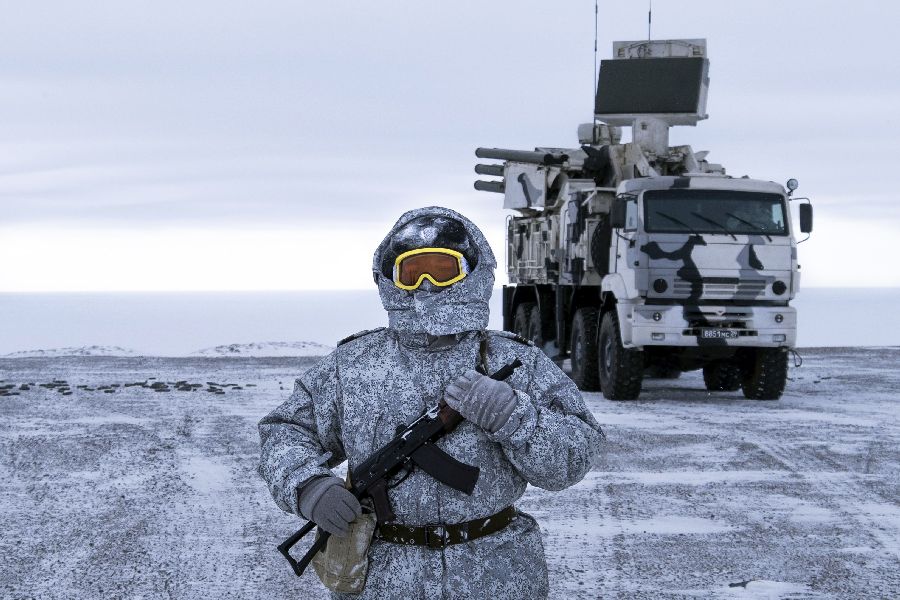
Author: Dr. Lester W. Grau Abstract: Most armies train to fight on their own soil or that of their neighbors. Some, like the British Army during the days of the British Empire, trained to fight on a variety of terrain and in differing climates. Today, the best-trained Arctic forces are those of Russia, Norway, Sweden, Finland, and Canada. With the reactivation of the 11th Airborne Division in Alaska, the United States will join the group of Arctic-specific forces. Arctic tactics and equipment differ from conventional tactics and equipment due to the different geography, climate, and peculiarities of the high latitudes. One of the striking Arctic peculiarities is that of visibility. Russia conducted visibility and detection tests on Russian equipment on the Arctic Kola Peninsula. These tests, aggregated with the local weather and climate, determined the effect of background conditions against which the soldier scout, forward observer, or gunner could detect and destroy targets. Although the results are very tactical, the operational impact of Arctic visibility on Arctic warfare is striking. Keywords: Arctic, Russia, ground target identification, climate, terrain, weapons testing |
|
|
Title: The Three-Fold Path of the Snow Dragon: China’s Influence Operations in the Arctic Author: CPT Christopher Barich, Minnesota Army National Guard Abstract: In 2005, the People’s Republic of China (PRC) first released public statements indicating its aspiration to become a polar great power with the ability to project influence and power globally from the Arctic to Antarctica. In 2013, Chinese president Xi Jinping announced the One Belt, One Road initiative, an ambitious transnational infrastructure investment and construction program that has since become known as the Belt and Road Initiative (BRI). In 2017, the PRC published Vision for Maritime Cooperation Under the Belt and Road Initiative, laying out Beijing’s intention to establish a maritime economic passage to link mainland China to Europe via the Arctic Ocean. In 2018, the PRC announced its ambition to establish a trans-Arctic shipping route, called the Polar Silk Road (PSR), as part of the BRI. In 2020, Beijing assessed the Artic region as a “global strategic commanding heights” and an important passage of “geostrategic value.” The PRC utilizes the “three warfares” strategy—public opinion warfare, psychological warfare, and legal warfare—to conduct influence operations in the Arctic. For the North, the Chinese enterprise of influence operations focuses on three overlapping Arctic areas of interest: the participation in Arctic affairs and governance, scientific research activities and expeditions, and economic investment in critical infrastructure along the PSR. The purpose of these influence operations is to promote narratives of China as an important stakeholder in Arctic affairs, committed to scientific collaboration, research and exploration in the Arctic, and investment in the economic development and prosperity of all Arctic states and that China should be considered an equal partner as a near-Arctic state. These international and domestic narratives, propagated through repetition and presence, aim to secure Beijing a greater political economic advantage, to secure and maintain access to Arctic natural resources, and to shape and align Arctic states to China’s interests. The purpose of this article is to frame Chinese influence operations in the Arctic through the concept of the “three warfares” strategy and understand how these operations serve China’s Arctic narratives, support wider political and economic interests, and further advance long-term security and development strategic objectives. To that goal, the article will provide essential context involving official positions and policies, followed by an introduction of how China employs the “three warfares” into its priority Arctic national interests. Keywords: Arctic, China, Indo-Pacific, great-power competition, strategy, Polar Silk Road, influence operations, three warfares, Belt and Road, BRI |
Standalone Articles (published between regular issues)
|
|
Title: The Crisis in Sri Lanka: Economic and Political Dimensions Author: Uditha Devapriya Abstract: This article seeks to chart the trajectory of the Sri Lankan protests that began in early March. The first section will examine the causes of the crisis and how the government contributed to it. Economists, policy makers, and commentators cite different reasons for the economic crisis. This article classifies these reasons under two headings: orthodox and heterodox. The orthodox camp generally criticizes the government’s fiscal and monetary policies, including a series of tax cuts in 2019. The heterodox camp traces the crisis to longer-term structural causes, like Sri Lanka’s failure to industrialize and to diversify into manufacturing. The article concludes that we cannot view these two sets of causes in isolation from each other, and that whatever side one takes, we must consider the political dimensions of the crisis as well. Keywords: Sri Lanka, protests, Rajapaksa, economic crisis, aragalaya, Indo-Pacific, geopolitics |
|
|
Title: The Geopolitics of US Maritime Priorities in the Indo-Pacific Author: Alexi LeFevre Abstract: When the White House released its new Indo-Pacific Strategy in February 2022, the first paragraph touched on an important but often ignored theme: “The United States has long recognized the Indo-Pacific as vital to our security and prosperity. Our ties were forged two centuries ago.”1 These words show that social context and history are as essential to a country’s geopolitical vision as its relative military power. This article examines US geopolitical discourse in the Indian and Pacific Oceans through the medium of presidential State of the Union (SOTU) and Inaugural Addresses speeches to show that a shared and lived history of geographic affiliation with the Pacific region undergirds much of contemporary US geopolitical thinking. A fuller appreciation for this aspect of US geographic and cultural history can deepen the modern-day strategist’s appreciation for the nuances of US military strategy in the region. Keywords: Indo-Pacific, geopolitics, United States, maritime security, State of the Union, inaugural address, history |
|
|
Title: China’s False Promise: Gunboat Diplomacy, Not Win-Win Outcomes, Will Shape the South China Sea Author: ENS Nick Danby, USN Abstract: For a decade, China has waged “gunboat diplomacy” in the South China Sea (SCS) by bullying its maritime neighbors into accepting its territorial claims of “indisputable sovereignty” and control over 90 percent of the sea. The costs of China’s maritime coercion, however, have mounted. Beijing’s hostile actions have scuttled its regional partnerships, while bolstering America’s relations with Southeast Asian nations. Sensing this rising enmity, Chinese leaders have recently touted “cooperation” and “openness” to reach an amenable solution in the SCS. In practice, they invoke restrictions and incite armed confrontations. Based on Chinese sources, primary reporting, and historic analysis, this article argues that China’s newfound “neighborly approach” will warrant a transient tactical shift, but Beijing’s revanchist strategy will remain unchanged. The US military and its allies must exploit Beijing’s professed cessation of aggression by mounting a maritime countercoercion effort that deters continued Chinese maritime belligerency through denial and punishment before the SCS becomes an undeniable “Chinese lake.” Keywords: China, Indo-Pacific, South China Sea, gunboat diplomacy, revanchism, UNCLOS, exclusive economic zones, EEZ, gray zone, Philippines, illegal fishing, maritime militia, great-power competition, maritime security |


Special Message
Introducing the new Journal of Arctic and Climate Security Studies, a joint project between the Ted Stevens Center for Arctic Security Studies and the Air University Press. Launching February 2023. Subscribe today: https://public.govdelivery.com/accounts/USDODAF/subscriber/new?topic_id=USDODAF_355.

Also, catch up on episodes of our Indo-Pacific Visions and Indo-Pacific Affairs podcasts: