|
On Sept. 3, FEMA released Hazus 7.1, an upgraded version of its risk-assessment desktop software used by emergency managers, planners and researchers across the country.
Through an enhanced user interface, streamlined workflows, improved methodologies and extended functionality, Hazus 7.1 expands natural hazard risk modeling capabilities for emergency managers.
Hazus is a Geographic Information System-based, risk-assessment desktop software that provides essential hazard risk assessment information and modeling for communities in the United States. It is part of FEMA’s work to empower state, local, tribal and territorial users across the country to prepare for and respond to disasters.
Building on the strong foundation of Hazus 7.0, the 7.1 update offers faster run times, upgrade-in-place ability, greater in-app functionality and defect fixes. Emergency managers, planners and researchers can experience a more enhanced, streamlined application designed to save time, increase accessibility and improve data accuracy.
Download Hazus 7.1 by visiting the FEMA Flood Map Service Center. Read the Hazus Release Notes on FEMA.gov for a detailed description of enhancements, known limitations and new functionalities in this Hazus release.
Hazus 7.0 Technical Manuals are Now Available
FEMA recently updated the Hazus 7.0 Technical Manuals for Hurricane, Flood and Inventory. These manuals reflect the differences in methodologies and the limitations of software capabilities between Hazus 6.1 (ArcMap) and Hazus 7.0 and 7.1 (ArcGIS Pro). The updated technical manuals are now available for reference on FEMA.gov.
Reach out to the Hazus Help Desk at fema-hazus-support@fema.dhs.gov with any questions or to join our Hazus disaster response mailing list for real-time event modeling of active hazard events. Stay informed about the latest developments by signing up for our email updates on FEMA.gov.
FEMA will host a series of new Lunch and Learn webinars every Thursday from Sept. 11 to Sept. 25. These sessions will focus on FEMA's updated Radiological Emergency Preparedness Program Manual, which provides planning and assessment guidance for state, local, tribal nations and territorial partners located near commercial nuclear power plants.
Each webinar will cover a different topic, including:
- The Radiological Emergency Preparedness Program Manual.
- The Hostile Action-Based Toolkit.
- The FEMA Technical Hazards Division’s Radiological Emergency Preparedness Program.
The topics and registration links are listed below, and you can also find the sessions on the FEMA Events page. Once registered, you will receive a meeting invitation with the link to join the session. For more information about the sessions and registration, visit the Radiological Preparedness Manual September Webinars page on FEMA.gov.
To learn more about the Radiological Emergency Preparedness Program—including training opportunities and additional resources such as the standard operating guide, reference library, after-action reports, and the national public information map—visit FEMA.gov.
Radiological Emergency Preparedness Program Manual Overview
-
Date: Sept. 11.
-
Time: 1-2 p.m. ET.
-
Location: Microsoft Teams; Register Here.
Hostile Action-Based Toolkit Introduction
-
Date: Sept. 18.
-
Time: 1-2 p.m. ET.
-
Location: Microsoft Teams; Register Here.
FEMA Technical Hazards Division’s Radiological Emergency Preparedness Program Overview
-
Date: Sept. 25.
-
Time: 1-2 p.m. ET.
-
Location: Microsoft Teams; Register Here.
In collaboration with Argonne National Laboratory, FEMA and several emergency management associations are conducting the Emergency Management Organizational Structures, Staffing and Capacity Study. This study will provide a better understanding of current state, local, tribal and territorial emergency management structures, staffing and capacity.
As part of the study, emergency managers from all federally recognized tribes are invited to complete a survey open through Sept. 30 that should take no more than 20 minutes to complete. All information will be collected, and individual responses will be kept confidential.
Survey topics include the following:
- Emergency Management Organizational Structure
- Staffing and Staff Activities
- Cross-Governmental Roles and Responsibilities
- Requirements
- Funding and Technological Resources
- Organizational Challenges
- The Emergency Manager Position
Results of the study can support and inform examination of FEMA roles and functions to support state, local, territorial and tribal partners.
The tribal survey was sent to tribal leaders in January. If you have not received the survey, please fill out this Tribal Emergency Management Capacity Study - Contact Information Form and someone from the research team will be in contact with you shortly.
Individuals and counties affected by severe storms, straight-line winds and tornadoes from July 2-18 in the designated areas of Texas can apply for FEMA assistance until Sept. 28.
Survivors are encouraged to file insurance claims for damage to their homes, personal property and vehicles before they apply for FEMA assistance. FEMA Individual Assistance cannot pay for expenses or other sources will cover.
The fastest way to apply is online at DisasterAssistance.gov or the Spanish language site DisasterAssistance.gov/es.
If you need more information or additional help:
- Download the FEMA App.
- Call the FEMA Helpline at 1-800-621-3362 for assistance in multiple languages. If you use a relay service—such as video relay service (VRS), captioned telephone service or others—provide FEMA the number for that service.
- Find in-person FEMA support at fema.gov/drc.
To view an accessible video on how to apply, visit What to Expect Before Applying for FEMA Assistance.
When applying for FEMA assistance, specify the damage and the date it occurred to ensure you are applying under the correct declaration number.
For more information, visit fema.gov/disaster/4879.
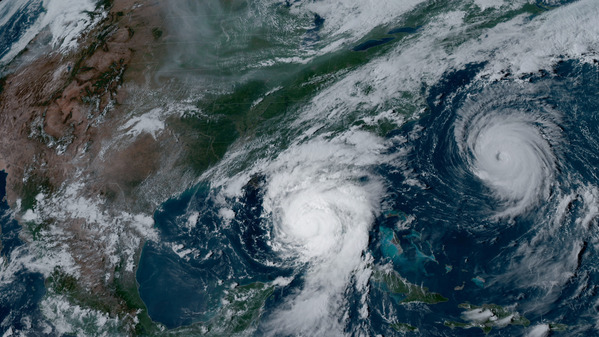
Hurricane season is underway. Now, before a storm hits, is the perfect time to get flood insurance, build an emergency kit, tackle home improvements or find someone who can. You can sign up for alerts – one of the easiest, and most important, ways to get ready – and plan how you’d evacuate to keep your family safe.
Whether you rent or own your home, here are six ways you can get ready for hurricanes today.
Read the blog at FEMA.gov.
FEMA Offers Additional Trainings on the Preliminary Damage Assessment Guide Process
On July 1, FEMA published an updated Preliminary Damage Assessment Guide, which defines how state, local, tribal and territorial officials and FEMA staff collect, validate, quantify and document damage following a disaster.
To help the emergency management community understand the updates in the 2025 Preliminary Damage Assessment Guide, FEMA is offering virtual training sessions Mondays from noon to 1 p.m., Sept. 22, Oct. 6 and Oct. 20.
To join the webinar on any of the available dates, visit the FEMA Zoom.
- Meeting ID: 161 5791 3048
- Passcode: 2025
To learn more, visit the Preliminary Damage Assessment Guide webpage.
....................................................................................................................................................
New Mexico Individuals Affected by Summer Severe Storms, Flooding and Landslides can Apply for FEMA Assistance Until Sept. 22
Individuals and counties affected by severe storms, flooding and landslides from June 23 to Aug. 5 in designated areas of New Mexico can apply for Individual Assistance or Public Assistance until Sept. 22.
Survivors are encouraged to file insurance claims for damage to their homes, personal property and vehicles before they apply for FEMA assistance. FEMA Individual Assistance cannot pay for expenses insurance or other sources will cover.
The fastest way to apply is online at DisasterAssistance.gov or the Spanish language site DisasterAssistance.gov/es.
If you need more information or additional help:
- Download the FEMA App.
- Call the FEMA Helpline at 1-800-621-3362 for assistance in multiple languages. If you use a relay service—such as video relay service (VRS), captioned telephone service or others—provide FEMA the number for that service.
- Find in-person FEMA support at fema.gov/drc.
To view an accessible video on how to apply, visit What to Expect Before Applying for FEMA Assistance.
When applying for FEMA assistance, specify the damage and the date it occurred to ensure you are applying under the correct declaration number.
For more information, visit fema.gov/disaster/4886.
....................................................................................................................................................
West Virginia Individuals Affected by June Severe Storms, Straight-line Winds, Flooding, Landslides and Mudslides can Apply for FEMA Assistance Until Sept. 22
Individuals affected by severe storms, straight-line winds, flooding, landslides and mudslides from June 14-15 in designated areas of West Virginia can apply for Individual Assistance until Sept. 22.
Survivors are encouraged to file insurance claims for damage to their homes, personal property and vehicles before they apply for FEMA assistance. FEMA Individual Assistance cannot pay for expenses insurance or other sources will cover.
The fastest way to apply is online at DisasterAssistance.gov or the Spanish language site DisasterAssistance.gov/es.
If you need more information or additional help:
- Download the FEMA App.
- Call the FEMA Helpline at 1-800-621-3362 for assistance in multiple languages. If you use a relay service—such as video relay service (VRS), captioned telephone service or others—provide FEMA the number for that service.
- Find in-person FEMA support at fema.gov/drc.
To view an accessible video on how to apply, visit What to Expect Before Applying for FEMA Assistance.
When applying for FEMA assistance, specify the damage and the date it occurred to ensure you are applying under the correct declaration number.
For more information, visit fema.gov/disaster/4884.
....................................................................................................................................................
FEMA Begins Process to Update the Radiological Emergency Preparedness Manual
In preparation for the next update of the manual in 2027, FEMA is requesting public comments on the current 2023 edition of the Radiological Emergency Preparedness Manual. It provides planning standards and guidance for communities and offsite response organizations near commercial nuclear plants to prepare for radiological disasters.
The public comment period will be open until Tuesday, Sept. 30.
....................................................................................................................................................
|


