|
FEMA has announced that the agency is making $1.35 billion available for two grant programs designed to help communities enhance their resilience to the impacts of increasingly frequent and extreme weather events.
The Building Resilient Infrastructure and Communities (BRIC) annual grant program is making $750 million available for projects that protect people and infrastructure from natural hazards and the effects of extreme weather events. The Flood Mitigation Assistance program is making $600 million available for projects that mitigate flood risks facing homes and communities across the nation.
The funding offered through these programs can be used by communities to better understand disaster risk and vulnerability, conduct community-driven resilience and hazard mitigation planning and design and implement transformational projects to make communities safer and more resilient.
Reduced cost shares will remain in effect for certain entities. Non-federal cost share is typically 25%. However, disadvantaged communities and designated Community Disaster Resilience Zones may pay less for Flood Mitigation Assistance and BRIC.
FEMA will continue providing tailored technical support to communities and Tribal Nations that may not have the resources to begin climate resilience planning and project solution design on their own. Communities interested in submitting a request for assistance may do so from Jan. 6 through April 18. FEMA will publish a new form online to streamline and simplify the submission process.
More Details on FY 2024 Funding Opportunities
All 50 states, the District of Columbia and U.S. territories are eligible to receive up to $4 million. The funding must be used for capability- and capacity-building activities, which includes creating or updating hazard mitigation plans and designing potential projects and building code activities.
To ensure a greater geographic distribution, FEMA is applying a 20%—or $150 million—funding cap per applicant on the total available BRIC funding. This will help to ensure a more diverse distribution of BRIC funds across the nation.
As in years past, FY 2024 Flood Mitigation Assistance grants will be targeted toward projects that reduce or eliminate the risk of repetitive flood damage to buildings insured by the National Flood Insurance Program.
FEMA has set aside $50 million exclusively for federally recognized tribes in FY 2024. Tribal Nations can receive a maximum of $2 million through this set-aside.
Each year, FEMA holds a national competition through BRIC for large projects to enhance infrastructure resilience. Approximately $451 million is available through the FY 2024 national competition.
FEMA will continue the BRIC Building Codes Plus-Up funding that states, Tribal Nations, and territories can access for eligible building code activities. Eligible activities include enforcement and adoption of more modern, hazard-resistant building codes.
How to Apply
The funding opportunities for BRIC and Flood Mitigation Assistance grants will be available on Grants.gov.
The application period opened on Jan. 6. Eligible applicants must apply for funding using FEMA Grants Outcomes, FEMA’s grants management system. Applications must be submitted in the portal no later than 3 p.m. ET on April 18. FEMA will not consider applications after this deadline. The application deadlines are for applicants only. Local governments should consult with their state, tribal or territorial agencies to confirm deadlines to submit subapplications.
FEMA plans to host several webinars to educate state, local, Tribal Nation and territorial governments on the programmatic changes. More information will be shared as it becomes available on FEMA.gov.
On Dec. 31, 2024, FEMA Administrator Deanne Criswell announced the appointment of 10 new members and three returning members to the agency's National Advisory Council.
The National Advisory Council advises the FEMA administrator on all aspects of emergency management, including preparedness, response, recovery and mitigation for disasters and national emergencies. Council members represent a substantive cross-section of 40 geographically diverse officials, emergency managers and emergency response providers from state, local, tribal and territorial governments, the private sector and nongovernmental organizations.
Since its creation in 2006, the council has provided hundreds of recommendations to FEMA on a variety of key emergency management topics.
Members will serve multi-year terms beginning Jan. 1 and will guide and inform future recommendations.
The following 10 new members began their first term of appointment on Jan. 1:
- Ms. Marissa Aho, Climate Director, Executive Climate Office, King County, Washington
- Mr. Diogenes Ayala, Emergency Manager, MercyOne, Des Moines, Iowa
- Mr. William Driscoll Jr., State Senator, Representing Norfolk, Plymouth, and Bristol, Massachusetts
- Chief David Hill, Principal Chief, Muscogee (Creek) Nation
- Mr. Marc Pappas, Director, Rhode Island Emergency Management Agency, Rhode Island
- Mr. Justin Pierce, Director, Emergency Management Department, Charleston County Government, South Carolina
- Mr. John Pisowicz, Emergency Preparedness Coordinator, Porter County, Indiana
- Vincent Torres, Director, Emergency Management, University of Miami Health System, Florida
- Mr. Dillon Taylor, Chief of Staff and Senior Counsel, Virginia Department of Emergency Management, Virginia
- Mr. Brian Baker, Vice President, Hagerty Consulting, Washington, District of Columbia
One member will begin her second term on Jan. 1:
- Tonya Graham, Mayor, City of Ashland, Oregon
Also, on Jan. 1, two previously appointed NAC member appointments will be updated. Moving from the role of Director of Houston Emergency Management to the Chief of the Houston Fire Department, Thomas Muñoz will similarly shift roles on the NAC from an Emergency Management Representative seat to an Emergency Response Provider seat. Justin Kates was selected to fill the two years remaining in the term of the Emergency Management Representative seat vacated by Chief Munoz.
- Justin Kates, Senior Business Continuity Advisor, Wawa Inc,, Philadelphia, Pennsylvania
- Thomas Muñoz, Chief, Houston Fire Department, Texas
On Nov. 30, 2024, the following members concluded their terms of appointment:
- Kathy Baughman McLeod, Chief Executive Officer, Climate Resilience for All, Washington, District of Columbia
- Jody Ferguson, Director (Ret.), Pierce County, Department of Emergency Management, Tacoma
- Tim Gleason, City Manager, City of Decatur, Illinois
- Ramesh Kolluru, Vice President for Research, Innovation, and Economic Development, University of Louisiana
- Ryan Lanclos, Director, National Government and Public Safety Solutions, Esri
- Kelly McKinney, Assistant Vice President of Emergency Management and Enterprise Resilience, New York University Langone Health
- Paula Pagniez, Head of Origination and Client Engagement, Climate Risk and Resilience Executive Director, Howden Group Holdings
- William “Brad” Richy, Director, Office of Emergency Management, State of Idaho
For additional information about the council, visit FEMA.gov. To read the full press release, visit FEMA.gov.
FEMA published the Public Assistance Program and Policy Guide Version 5, effective for disasters declared on or after Jan. 6, 2025. The updated guide includes feedback and input received after a 60-day public comment period.
The guide is the agency’s consolidated resource for public assistance policies that establish how local, state, Tribal Nation, territorial governments and certain private nonprofits can use federal funds to recover and rebuild after disasters.
The updated guide:
- Clarifies requirements and processes for federally recognized Tribal Nations to receive assistance.
- Promotes resilience measures that can help mitigate future damage and strengthen communities.
- Simplifies language to make the guide more user-friendly.
- Reduces documentation requirements to help streamline processes.
- Clarifies that houses of worship and faith-based organizations are considered nonprofit organizations and may be eligible to receive assistance.
The guide is the authoritative document for Public Assistance policies and reflects FEMA's continued commitment to improving access to its Public Assistance program and enhancing recovery outcomes. It was revised based on feedback from states, Tribal Nations, territories, nonprofits and the public during a 60-day public comment period. A complete list of changes and updates is available in the guide.
For more information, visit FEMA.gov.
.

FEMA is accepting applications for the Youth Preparedness Council. The online application process is open; students must complete their applications by March 3.
Teens in grades eight through 11 who are interested in applying for the Youth Preparedness Council can learn more about the process and have their questions answered in a webinar at 8 p.m. ET, Thursday, Jan. 30. The webinar will walk students through the application process and give applicants a glimpse of what it’s like to be on the council. Please register for this webinar in advance at this Zoom link.
During their one-year term, council members collaborate virtually with each other to develop projects that promote preparedness on a local and national scale. Members will also have the chance to engage with top leaders within FEMA, the federal government, and national non-profit organizations.
If you know a teen interested in preparedness and community service, encourage them to apply.
To learn more about the Youth Preparedness Council, visit Youth Preparedness Council | FEMA.gov.
|
FEMA will host a webinar on how to use the continuous improvement templates and other resources available on the Continuous Improvement Technical Assistance Program (CITAP) PrepToolkit website from 11 a.m. to noon ET, Wednesday, Jan. 8. This webinar will present templates and resources focused on incident after-action reviews as outlined in FEMA’s National Continuous Improvement Guidance.
During this webinar, FEMA will equip participants with tools to establish a clear and consistent approach for continuous improvement activities in emergency management and build organizational capabilities. The webinar will include a tour of the most highly downloaded templates and guides, including the After-Action User Guide, Incident After-Action Report Template and Collection Analysis Template.
The webinar is designed to support the development of state, local, Tribal Nation and territorial partners’, non-governmental organizations’ and the private sector’s continuous improvement capabilities in emergency management.
Register in advance to attend the webinar by visiting the event page on FEMA.gov and clicking the "Register Online" button. If an issue arises while registering or logging in, please contact the FEMA CITAP Team at FEMA-CITAP@fema.dhs.gov.

President Biden issued a proclamation marking January as National Human Trafficking Prevention Month, highlighting the many initiatives working to end human trafficking in America. In addition, the U.S. is working with governments and organizations around the world to put a stop to human trafficking. In the 2024 Trafficking in Persons Report, the Department of State measured progress in 188 countries, including the United States, addressing the root causes of trafficking, bringing traffickers to justice and supporting survivors as they recover and rebuild their lives.
This month, every American is urged to learn how to identify the signs of trafficking and to share the National Human Trafficking hotline (888-373-7888) — an important resource to report a tip or to ask for help. Together, we must make sure every human being is free to live a life full of dignity and freedom.
Every year, millions of men, women and children are exploited by human trafficking worldwide. The U.S. Department of Homeland Security (DHS) urges you to take action against human trafficking and raise awareness by encouraging everyone to participate in its national public awareness Blue Campaign.
Jan. 11, marks the annual observance of #WearBlueDay, a national initiative to raise awareness about human trafficking. DHS and FEMA encourage the public to participate by taking photos of themselves, friends, family and colleagues wearing blue clothing to share on social media platforms using the hashtag #WearBlueDay and tagging @DHSBlueCampaign on X, Facebook and Instagram. Anyone can participate – all you need is a piece of blue clothing!
Experts from Blue Campaign are hosting two webinars, From Awareness to Action: Recognizing and Reporting Human Trafficking - in English and Spanish –on how to recognize and report potential human trafficking cases and how to get involved in raising awareness within your communities.
To register, go to the Blue Campaign Upcoming Events page. The English webinar will be held January 21 from 1–2 p.m. ET. O este seminario web se llevará a cabo en español el 23 de enero de 2025, de 1 a 2 p.m. ET. Submit your questions in the registration form.
During the webinars, you will gain essential insights into:
- What human trafficking is and why it matters.
- Myths and misconceptions about human trafficking.
- Who trafficking affects and how traffickers operate.
- Indicators of potential human trafficking situations.
- Resources available to help supercharge awareness efforts in your communities.
The DHS Center for Faith-Based and Neighborhood Partnerships works alongside the faith community and social service organizations, law enforcement and other partners to help address the needs of people who are traumatized by human trafficking. The center supported the development of Blue Campaign resources, the Human Trafficking Response Guide for Faith-Based Community Leaders and Spanish and other resources, trainings and videos.
To learn more about the indicators of human trafficking, Blue Campaign and ways to help, visit Blue Campaign | Homeland Security (dhs.gov). For additional social media materials to show your support, visit Social Media Shareables | Homeland Security (dhs.gov).
FEMA's National Exercise Program provides state, local, Tribal Nation and territorial jurisdictions with no-cost technical assistance for exercises designed to enhance preparedness and response capabilities. Exercise support is tailored to meet each jurisdiction's needs and assist with exercise planning, design, scenario development, conduct and evaluation. By participating in these exercises, jurisdictions can identify gaps in their emergency plans, improve coordination among responders and enhance community resilience.
The 2025 exercise support requests can be submitted through March 3. Support requests are open to all state, local, Tribal Nations and territorial governments. New applicants are strongly encouraged to apply, especially those from underserved jurisdictions. There is no associated cost share for selected jurisdictions for this exercise assistance.
To learn more, including how to request this technical assistance for exercises, FEMA will host a series of webinars and office hours in January and February to discuss the exercise support process. All webinars will offer the same content.
To attend one of the webinars or office hours, register in advance by selecting the links below:
-
Session 1: Tuesday, Jan. 14 at 2 p.m. ET: Session #1 Registration
- Office Hours: Thursday, Jan. 16 at 11 a.m. ET: Office Hours Registration #1
-
Session 2: Thursday, Jan. 23, at 11 a.m. ET: Session #2 Registration
- Office Hours: Friday, Jan. 24 at 2 p.m. ET: Office Hours Registration #2
-
Session 3: Wednesday, Jan. 29 at 4 p.m. ET: Session #3 Registration
- Office Hours: Thursday, Jan. 30 at 2 p.m. ET: Office Hours Registration #3
-
Session 4: Monday, Feb. 3 at 11 a.m. ET: Session #4 Registration
- Office Hours: Wednesday, Feb. 5 at 11 a.m. ET: Office Hours Registration #4
-
Session 5: Tuesday, Feb. 11 at 2 p.m. ET: Session #5 Registration
- Office Hours: Thursday, Feb. 13 at 4 p.m. ET: Office Hours Registration #5
-
Session 6: Thursday, Feb. 20 at 11 a.m. ET: Session #6 Registration
- Office Hours: Friday, Feb. 21 at 11 a.m. ET: Office Hours Registration #6
To learn more about the National Exercise Program, visit FEMA.gov.
For specific questions, please email the program staff at NEP@fema.dhs.gov and include "2025 Exercise Support Question" in your subject line.
.
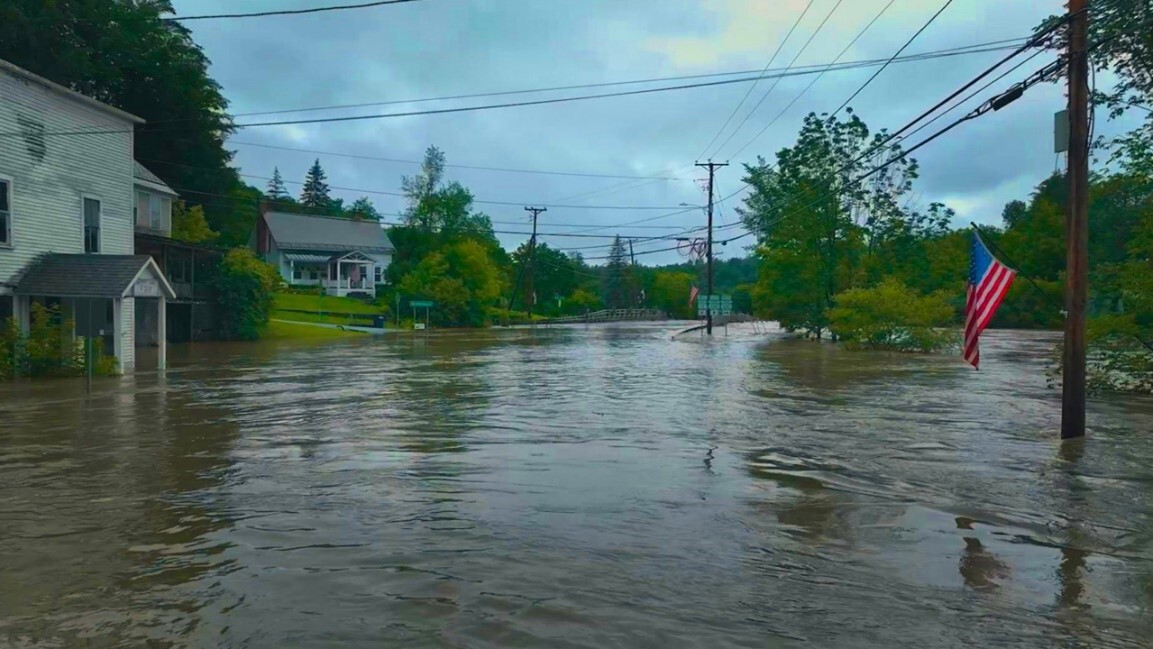
FEMA and its National Flood Insurance Program (NFIP) recently produced a video in Vermont to showcase the program’s vital role in mitigating flood risks and supporting recovery efforts. The video highlights the experiences of two NFIP policyholders in Vermont who successfully recovered from major flooding thanks to their NFIP coverage.
One of the featured policyholders, the owner of the Londonderry Old Post Office and other local businesses, shares her journey of recovering from three floods over the course of 50 years. Through a combination of mitigation efforts, such as elevating the historic post office and her NFIP flood insurance policy, she was able to protect her properties and recover after each event. FEMA offers flood insurance and mitigation grants to eligible NFIP communities and policyholders, making these successes possible.
Another featured NFIP policyholder, a neighboring business owner, recounts her recovery from multiple floods since purchasing her business in 1990. The policyholder emphasizes the peace of mind her NFIP flood insurance policy provides, noting that she would never consider going without it.
This video serves as an educational tool to help property owners and renters better understand their flood risk and the importance of proactive measures. Hearing firsthand experiences from those directly impacted by flooding makes the risk more relatable and underscores the value of flood insurance. Property owners are encouraged to assess their flood risk and take the next step of getting a flood insurance quote to safeguard against the financial impacts of flooding.
This video can be viewed through the NFIP Resource Library and FEMA’s YouTube. For up-to-date information and resources, follow the NFIP on LinkedIn.
On Dec. 4-5, 2024, FEMA hosted its fifth-annual Civil Rights Summit. The agency assembled a diverse and experienced lineup of speakers from both the federal family and community organizations who raised awareness about the scope and prevalence of gender-based violence and its dramatic increase during disasters.
“FEMA is deeply engaged in reducing gender-based violence as we fulfill our mission of helping people before, during, and after disasters,” said FEMA Administrator Criswell. “From our engagement in the creation of the National Plan to End Gender-based Violence to our improvements in our Individual Assistance Program, we remain committed to putting people first and helping all survivors—including survivors of gender-based violence—get back on their feet after a disaster strikes.”
In addition to speakers from FEMA, presenters represented nonprofit, federal and academic organizations, including the:
- U.S. Department of Homeland Security.
- U.S. Department of Justice.
- U.S. Housing and Urban Development.
- U.S. Department of the Interior.
- Transgender Legal Defense & Education Fund, Inc.
- Yale School of the Environment.
- Missing and the Murdered Indigenous Women/Persons in Indian Country.
- American Red Cross.
- The Cloudburst Group.
A full list of speakers is available here.
“Our partnerships are critical as our disaster landscape presents more challenges for keeping communities safe,” said FEMA Deputy Administrator Erik Hooks. “We must remain committed to talking about gender-based violence and bringing these survivors into the rooms where decisions are being made to ensure we are not leaving them behind.”
During the summit, presenters shared a wealth of knowledge gleaned from their areas of expertise. Speakers from FEMA focused specifically on how the agency is working to make gender-based violence and civil rights a priority in the work it does, including for people with disabilities and citizens of Tribal Nations, now and into the future.
In many instances, a gender-based violence survivor’s needs during a disaster include housing that is separate from the perpetrator. In addition, congregate shelters (that house both men and women) can be unsafe for some gender-based violence survivors. FEMA works with National Voluntary Organizations Active in Disasters (National VOAD), state, local, Tribal Nation and territorial governments and other partners to ensure eligible disaster survivors have access to the full range of recovery services provided through the “whole of community approach” under the Stafford Act.
FEMA is committed to prioritizing casework and evaluation for direct housing eligibility for vulnerable populations. FEMA may provide financial assistance and direct services through the Individuals and Households Program (IHP), including temporary housing, home repair and home replacement. FEMA may also provide assistance funds to cover personal property losses, moving and storage expenses, transportation, funeral, medical, dental, childcare or serious needs directly resulting from a declared disaster.
Topics of discussion at the summit included the disproportionate incidences of increased gender-based violence in times of disaster and national emergencies. The outlook provides increased protections for and communications to survivors, raising awareness among emergency managers and communities so they can recognize survivors, understand their vulnerabilities and know how to provide safety, especially in shelters and help with basic needs during times of major loss and displacement.
“We hope that the summit imparted new insights on the impacts that gender-based violence may have during disasters,” said the Director of the FEMA Office of Civil Rights Leslie Saucedo. “We have tried to unpack its complexities, raise awareness about how disasters amplify inequities and instill that each of us has a role to play.”
Anyone can be harmed by gender-based violence, regardless of their race, age, gender, sexual orientation, gender identity, disability or immigration status. To support disaster responders when they encounter gender-based violence survivors, FEMA released a fact sheet. Disaster responders may not recognize gender-based violence survivors because often they hide signs of injury or risk to protect themselves or their children and may not disclose out of fear of retaliation or shame.
For more information about FEMA’s External Civil Rights Division, visit External Civil Rights Division | FEMA.gov. Contact the Office of Civil Rights at 833-285-7448, 711 or Video Relay Services (VRS) or FEMA-CivilRightsOffice@fema.dhs.gov.
Register for the 2025 Radiological Emergency Preparedness Scenario Guidance Listening Sessions
FEMA will host a series of listening sessions through the agency's Radiological Emergency Preparedness Program. The session will gather feedback on existing exercise scenario guidance found in the 2023 Radiological Emergency Preparedness (REP) Program Manual. The sessions will allow state, local, Tribal Nations, territorial, industry and federal stakeholders the opportunity to provide feedback on the challenges presented in implementing REP exercise scenarios.
FEMA will seek feedback on potential improvements to REP scenario guidance. Registration links are listed below. You can also find these sessions listed on the FEMA Events page. Once registered, you will receive a meeting invitation with the link to join.
REP Scenario Guidance Listening Session #1
-
Date: Thursday, Jan. 16, 2025
-
Time: 1-2 p.m. ET
-
Location: Zoom Register Here
REP Scenario Guidance Listening Session #2
-
Date: Thursday, Jan. 23, 2025
-
Time: 1-2 p.m. ET
-
Location: MS Teams Register Here
REP Scenario Guidance Listening Session #3
-
Date: Thursday, Feb. 6, 2025
-
Time: 1-2 p.m. ET
-
Location: MS Teams Register Here
Some of the resources FEMA may reference during the sessions include:
....................................................................................................................................................
$210M in Additional Funds Available to Protect Faith-based and Nonprofit Organizations
The Department of Homeland Security (DHS), through FEMA, is accepting applications for $210 million in Nonprofit Security Grant Program (NSGP) funds as the second tranche of additional funding that the Biden-Harris Administration secured to protect faith-based institutions and nonprofit organizations against targeted attacks.
The Notice of Funding Opportunity was published on Oct. 28, 2024. Completed applications must be submitted in the FEMA Grants Outcome (GO) system no later than 5 p.m. ET on Jan. 24.
Supporting materials for stakeholders are available on the Nonprofit Security Grant Program | FEMA.gov. All application materials are also posted on Grants.gov. Eligible applicants should submit their application through FEMA GO. Applicants needing technical support with the FEMA GO system should contact FEMAGO@fema.dhs.gov or (877) 585-3242, Monday-Friday from 9 a.m. - 6 p.m. ET.
....................................................................................................................................................
|


