|
FEMA has made $5.4 million available for the Fiscal Year 2024 Competitive Training Grants to focus on “Rural and Tribal Preparedness for Equitable Outcomes."
These funds are provided through the Homeland Security National Training Program’s Continuing Training Grants. This program helps develop and deliver FEMA-certified training solutions to help the emergency management and first responder communities. Funding through the grants is provided as a cooperative agreement and awarded directly to the recipients.
Governments at the state, territory, city, township, or county levels, including the District of Columbia and federally recognized Indian Tribal governments, are eligible to apply for the FY2024 Competitive Training Grants. Certain nonprofit organizations, including private institutions of higher education, national associations and organizations, and public institutions of higher learning, are also eligible to apply.
Eligible applicants have suitable expertise in developing and delivering FEMA-certified training for rural communities and Tribal Nations. All proposed rural and tribal training solutions must address the listed objectives and target the specific volunteer and professional individuals and groups indicated in the Notice of Funding Opportunity posted on Grants.gov.
The delivery and development of these innovative training programs play an important role in implementing the National Preparedness System and support the core capabilities essential to achieving the National Preparedness Goal for a secure and resilient nation.
The Notice of Funding Opportunity will be posted at Grants.gov on Monday, July 8. Eligible Homeland Security National Training Program applicants must submit their application no later than 11:59 p.m. ET, Friday, Aug. 16.
FEMA announced that 93 local communities, territories and Tribal Nations and territories across all 10 FEMA regions will receive non-financial Direct Technical Assistance to help build community-wide resilience through the Building Resilient Infrastructure and Communities (BRIC) grant program. This more than doubles the number of recipients from last year. This announcement follows the agency’s recent announcement on the 656 BRIC recipients.
This announcement aligns with the 2024 FEMA Year of Resilience theme to build capacity to withstand tomorrow’s hazards.
Through Direct Technical Assistance, FEMA provides wide-ranging support to communities, territories and Tribal Nations that may not have the resources to begin climate resilience planning and project solution design on their own. This non-financial assistance helps jurisdictions to reduce disaster damage, build community resilience and sustain successful mitigation programs.
Selected communities, territories and Tribal National receive support for BRIC DTA from pre-application activities to grant closeout for up to 36 months.
Of the 93 selected, 23 are Tribal Nations, three are territories and 67 are communities. These selections bring the total number of communities, territories, and Tribal Nations nationwide previously selected to receive this hands-on support to 167.
Since launching in 2020, Direct Technical Assistance has benefited communities. This year, two 2021 Direct Technical Assistance communities—Crisfield, Maryland, and Eastwick, Philadelphia—were selected during the FY23 BRIC national competition for projects enhancing community climate resilience.
Crisfield was selected for a $36 million flood control project that will improve flood protection, stormwater management and wetland health. Philadelphia was selected for a $2 million project that will install a flood barrier in Eastwick.
For a full list of selected communities from 2021 to present, visit FEMA.gov. Visit FEMA.gov for more information about Direct Technical Assistance.
FEMA and the U.S. Department of Health and Human Services (HHS) encourages everyone to plan and act now to protect themselves against the dangers of heat-related illness and death. Extreme heat is the leading cause of death among all weather-related hazards in the U.S., but this health impact is largely preventable. The Centers for Disease Control and Prevention (CDC) estimates that at least 1,220 people in the U.S. are killed by heat events each year. Older adults, young children and those individuals with health conditions, such as asthma or diabetes, are at a greater risk for heat-related illnesses.
Tips to Stay Safe During Extreme Heat
-
Stay Hydrated. Drink plenty of water even if you do not feel thirsty and avoid drinks with caffeine. If you have certain medical conditions, are on fluid-restricted diets or have a problem with fluid retention, consult a doctor before increasing liquid intake.
-
Know Your Cooling Options. Identify places in your community where you can go to get cool. Find locations of cooling options near you from local authorities by calling 2-1-1 and from local media reports.
-
Never Leave Another Person, Child or Pet in a Parked Car. Always check your car to make sure all persons and pets are out of it before leaving and locking it.
-
Recognize and Act to Signs of Heat-Related Illnesses. Know the signs of heat-related illnesses (heat exhaustion and heat stroke) and ways to respond.
Recognize Heat-Related Illnesses
-
Heat Exhaustion: If you or someone else is showing symptoms of heat exhaustion and need medical attention, contact a health care provider for advice. If possible, move the person suffering from heat exhaustion into a cool, shaded area; mist them with cool water while fanning them; give them water to drink and elevate their feet. Signs of heat exhaustion include heavy sweating, paleness, muscle cramps, tiredness, weakness, fast or weak pulse, dizziness, headache, fainting, nausea and vomiting.
-
Heat Stroke: If you or someone else is showing symptoms of heat stroke, call 9-1-1 and follow 9-1-1 recommendations. Stay until emergency services arrive. While waiting for help, if possible, move the person suffering from heat stroke into a cool, shaded area; remove any outer clothing; place a cold wet cloth or ice pack on the head, neck, armpits and groin, or soak the person’s clothing with cool water; elevating their feet.
FEMA Resources to Protect Communities for Future Heat Waves
-
Hazard Mitigation Grant Program (HMGP): While a major disaster declaration is required before a state, Tribal Nation or territory is eligible for HMGP assistance, mitigation measures may address any natural hazard, including extreme heat.
-
Building Resilient Infrastructure and Communities (BRIC): BRIC grant funding may be used to mitigate risks posed by all natural hazards, including extreme heat.
-
Safeguarding Tomorrow through Ongoing Risk Mitigation Revolving Loan Fund (RLF): These grants award low-interest loans to communities that provide hazard mitigation assistance for local governments. Unlike other mitigation programs, the Safeguarding Tomorrow RLF is explicitly authorized to address extreme heat.
HHS Resources to Protect Communities from Extreme Heat
-
The Heat and Health Index (HHI): The index helps communities prepare for heat events and prevent heat-related illness. The HHI is the first nationwide tool to use heat-health outcome data at the ZIP code-level to identify communities at highest risk. It also includes analysis of tree canopy, vehicle access, sociodemographic characteristics, preexisting health conditions, historical heat and health burden and other environmental factors.
-
Tools to Help Forecast and Document Climate-Related Threats: The tools include an EMS Heat Tracker that maps local emergency responses to heat-related illness and the Office of Climate Change and Health Equity's (OCCHE) Climate and Health Outlook Portal.
-
Quick Guide for Clinicians on Heat and Health: The guide helps physicians and medical centers prepare and respond to heat emergencies.
-
Low Income Home Energy Assistance Program (LIHEAP): The program provides federally funded assistance to reduce the costs associated with home energy bills, energy crises, weatherization and minor energy-related home repairs.
-
A Full List of Heat and Health Resources That Can Help: The list can be found at 2024 HHS Resources on Heat and Health.
Visit Ready.gov or Listo.gov for more extreme heat information and safety tips.
.
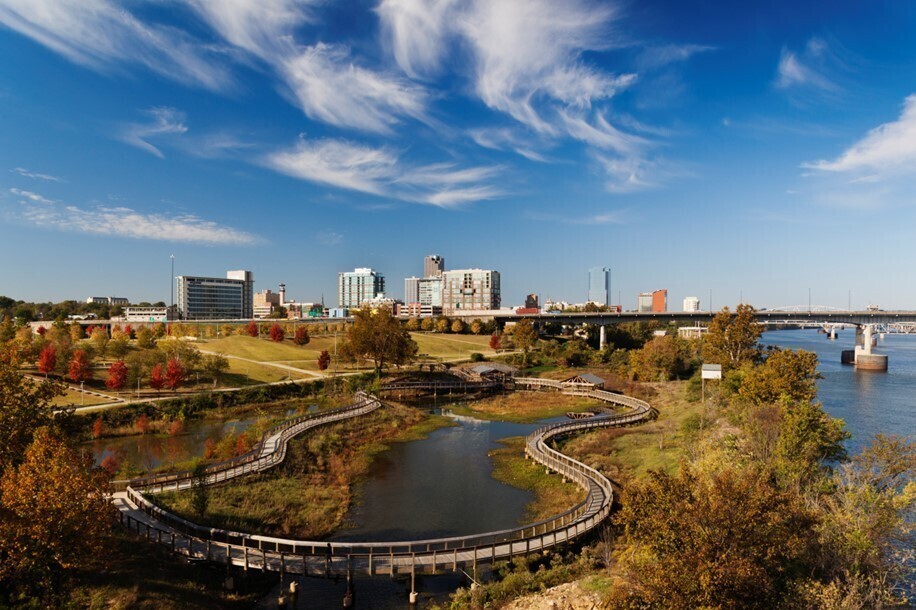
In early May, FEMA’s Hazard Mitigation Planning team hosted a webinar, “How Hazard Mitigation and Water Resource Planning Flow Together.” This webinar is part of the “From Policy to Action” series hosted by FEMA’s Hazard Mitigation Planning Program.
Mitigation planning and water resource programs share common goals and often exist in silos. This webinar focuses on the power of collaboration. When planners and water resource managers work together, they can advance community priorities, reduce disaster risk and safeguard vital water resources.
Mitigation and water resource planning can flow together in many ways. Knowing when and where to coordinate is crucial. This webinar highlights the challenges and opportunities of cross-sector planning. Two examples from Iowa and Kentucky showcase the benefits within a community and how to streamline work and create cost-effective solutions.
This webinar is part of a series available on FEMA’s YouTube Channel. Watch the recorded webinar online.
FEMA’s National Mitigation Planning Program supports state, local, Tribal Nation and territorial governments with risk-based mitigation planning to reduce or eliminate risks to life and property from natural hazards. The program focuses on building resilience through early and often stakeholder engagement, integration with community planning, and implementation of mitigation actions.
For more information, visit Hazard Mitigation Planning.
Join FEMA’s Voluntary Agency Liaisons and the DHS Center for Faith-Based and Neighborhood Partnerships on Wednesday, July 10, for a webinar on the importance of helping survivors navigate complex legal challenges arising from disasters, as well as how advocacy efforts also play a vital role in representing disaster-affected communities - safeguarding their rights and supporting community recovery. The webinar will be supported by closed captioning and American Sign Language (ASL).
The discussion will address topics including:
- Types of legal and advocacy assistance provided to disaster survivors by non-governmental organizations.
- Making disaster assistance programs easily accessible for disaster survivors.
- How federal, state, Tribal Nation and nongovernmental organizations collaborate to provide comprehensive legal assistance to disaster survivors.
Webinar Information:
- Topic: Disaster Legal Services and Advocacy
- Date: Wednesday, July 10
- Time: 2 to 3:30 p.m. ET
- Platform: Zoom | Click to register in advance
- Passcode: FEMAVAL
Guest Organizations:
Executive Speakers:
For questions, please contact FEMA-VAL@fema.dhs.gov.
.
Do you work in state or local government, emergency management or a child-centric organization? Is your community prepared to help children before, during and after disaster strikes?
Join FEMA at 1 p.m. ET, Wednesday, July 17, for an informational webinar to formally launch its Community Preparedness: Integrating the Needs of Children workshop. The webinar will provide a detailed overview of the workshop, including the goals and target audience, workshop topics and structure, and details on how it can be customized to fit the audience’s needs. Register in advance for the Zoom webinar.
About the Workshop
FEMA's Community Preparedness: Integrating the Needs of Children workshop is a free resource designed to bring emergency managers, medical professionals, childcare providers and other partners together to boost community resilience. It walks participants through identifying the organizations, requirements and resources needed in their preparedness programs to ensure that children are kept safe and healthy during disasters. The interactive workshop can be delivered in person or online and allows for meaningful engagement with community partners to advance disaster preparedness planning.
FEMA's Continuous Improvement Technical Assistance Program (CITAP) is hosting a webinar on how to Develop After-Action Report Observations to help organizations learn how to write data-supported observations for real-world incident reports. The webinar is from 9 to 10 a.m. ET, Wednesday, July 17, and will focus on approaches for developing after-action review observations as outlined in FEMA’s National Continuous Improvement Guidance.
During this webinar, CITAP aims to equip participants with techniques to craft effective and validated AAR observations, including a review of each element of an observation from topic sentence to recommended actions. Data-supported observations establish a foundation for actions that address underlying issues or root causes. The webinar will also review associated resources available on the CITAP’s website on the FEMA Preparedness Toolkit.
The webinar is designed to support the development of state, local, Tribal Nation and territorial partners, non-governmental organizations and private sector organizations with continuous improvement capabilities in emergency management.
Register in advance by visiting the webinar’s event page on FEMA.gov and clicking the "Register" button. If an issue arises while registering or logging in, please contact the FEMA CITAP Team at FEMA-CITAP@fema.dhs.gov.
FEMA’s Office of Business, Industry, and Infrastructure Integration is hosting the July Business and Industry Call. The virtual event will be held from 3 to 4 p.m. ET, Tuesday, July 23.
The call will focus on securing businesses from natural and cyber threats. Panelists will showcase a variety of tools and resources designed to provide business and industry partners with actionable and real-time insights for preparedness, response and recovery efforts.
The call will feature expert partners who will share best practices and insights for business organizations to face natural disasters and cybersecurity threats, including FEMA’s National Business Emergency Operations Center (NBEOC), CISA and Ready.gov/business. Register today by visiting, https://bit.ly/JulyBICall.
FEMA hosts monthly Business and Industry Calls to update NBEOC members, business and industry organizations, and FEMA partners on the tools available during all stages of the disaster lifecycle. Each month, experts from FEMA, other interagency partners, and business and industry organizations present different topics. For organizations interested in joining the NBEOC, please visit fema.gov/NBEOC.
Topic: FEMA July Business and Industry Call
Date: Tuesday, July 23
Time: 3 – 4 p.m. ET
Location: Virtual
Registration Link: https://bit.ly/JulyBICall
.
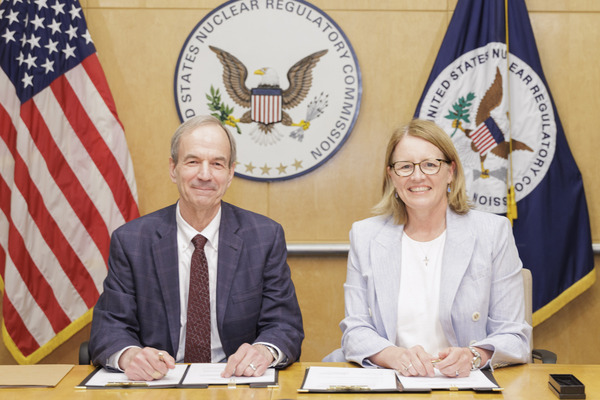 NRC Acting Executive Director for Operations Ray Furstenau and FEMA Administrator Deanne Criswell.
The Nuclear Regulatory Commission (NRC) and FEMA have signed a revised memorandum of understanding (MOU) establishing a framework for the agencies to cooperate on emergency preparedness for commercial nuclear power plants.
The MOU was first signed in 1980 and has been revised three times since, most recently in 2015. This fourth revision was signed July 1 at NRC headquarters in Rockville, Maryland, by FEMA Administrator Deanne Criswell and NRC Acting Executive Director for Operations Ray Furstenau.
The NRC and FEMA work together to assure adequate protection of public health and safety in the event of a radiological emergency. The MOU clarifies the role of each agency in assisting state and local governments in responding appropriately and alerting the public.
A new addition to the MOU is the NRC commitment to inform FEMA of applications received for small modular or advanced reactor designs and other nuclear technologies. A steering committee will provide guidance for cooperation between the agencies.
This year, FEMA's National Exercise Division, in partnership with the U.S. Secret Service and FEMA Region 5, is supporting preparations for the Republican National Convention (RNC) and the Democratic National Convention (DNC) through a series of exercises focusing on validating the security plans for these National Special Security Events. Each Convention gets a set of four exercises tailored to each host city.
In March, a team from FEMA's National Exercise Division traveled to Milwaukee, Wisconsin to support the 2024 RNC Senior Leader Tabletop Exercise. Likewise, the same team traveled to Chicago, Illinois in April to support the 2024 DNC Senior Leader Tabletop Exercise. Both exercises were tailored to the host-city and focused on reviewing and validating elements of the National Special Security Events security plan and the associated capabilities, authorities and jurisdictions in place for the conventions.
In May, preparations continued with the Operations Tabletop Exercises for both the RNC and DNC. These exercises were designed to engage operational commanders and subject matter experts in detailed operational discussions of response actions, focusing on ramifications for dignitary and delegate routes, operational decision-making and impacts to security within the National Special Security Event’s perimeter.
In June, FEMA supported the RNC Consequence Management Tabletop Exercise and will conduct a similar exercise for the DNC in July. These exercises are built in close coordination with FEMA Region 5 and state, local, Tribal Nation and territorial emergency management leadership and focus on the transition from steady-state National Special Security Event operations to consequence management, validation of the Interagency Consequence Management Plan and how a Unified Coordination Group is established and maintained throughout response operations.
July will see the conduct of the RNC Multi-Agency Communications Center Drill, which will be followed up by the DNC Multi-Agency Communications Center Drill in August. The Multi-Agency Communications Center is established by the U.S. Secret Service for each National Special Security Event. It serves as the clearinghouse for situational awareness and maintains the common operational picture. These final exercises are a rehearsal of the Multi-Agency Communications Center operations to ensure that staff from supporting organizations understand their roles and responsibilities.
Altogether, these eight exercises are designed to ensure the safety and security of the RNC and DNC National Special Security Events and their host cities through the deliberate coordination between federal, state, county, city and non-governmental organizations.
As summer travel heats up, it's important to be #SummerReady! Prepare for a safe and enjoyable summer adventure by being aware of extreme heat risks, TSA guidelines, flight selections, travel insurance, travel delays and official weather forecasts.
Start your vacation by visiting 15 Ways to be #SummerReady When Traveling During Extreme Heat to learn how to stay safe and be ready during summer travel.
 .
…………………………………………………………………………………………………………..
FEMA Hosts Webinars on Updated Public Assistance Program and Policy Guide
FEMA is hosting four webinars to inform stakeholders on updates to Version 5 of the Public Assistance Program and Policy Guide (PAPPG) and encourage participation in the 60-day public comment period that is now open through Aug. 19. The public can view and submit comments during the 60-day public comment period via the Federal Register and on FEMA.gov.
FEMA will host two virtual government-to-government consultations for Tribal Nations on the PAPPG Version 5 in August. A separate Dear Tribal Leader Letter, Framing Paper, and registration information will be released at a later date on FEMA’s Tribal Consultations webpage.
For more information on event details, visit FEMA.gov.
See below to participate in a one-hour webinar best for you. Advanced registration is not required:
|
English webinar for Tribal Nation partners:
|
English webinar for state, local and territorial partners:
|
English webinar for private nonprofit partners:
|
Spanish webinar/seminario virtual en español:
|
|
When: 3 p.m. ET on Tuesday, July 9
|
When: 3 p.m. ET on Wednesday, July 10
|
When: 3 p.m. ET on Thursday, July 11
|
When: 3 p.m. ET on Friday, July 12
Cuándo: 12 de julio de 2024 a las 3 p.m. hora del este
|
|
Where: Zoom (zoomgov.com)
|
Where: Zoom (zoomgov.com)
|
Where: Zoom (zoomgov.com)
|
Where: Zoom (zoomgov.com)
Dónde: Zoom (zoomgov.com)
|
|
Meeting ID: 191 962 2560
|
Meeting ID: 191 962 2560
|
Meeting ID: 191 962 2560
|
Meeting ID: 161 579 3922
|
|
Passcode: PAPPG
|
Passcode: PAPPG
|
Passcode: PAPPG
|
Passcode: PAPPG
|
…………………………………………………………………………………………………………..
FEMA Funding Opportunity for Five Homeland Security Training Programs Closes July 12
FEMA released a Notice of Funding Opportunity for five of the Homeland Security National Training Program’s National Domestic Preparedness Consortium members. Approximately $90.9 million in Fiscal Year 2024 grant funding will be available to eligible consortium members to provide training opportunities for emergency responders and community leaders throughout the nation.
The NOFO will be posted at Grants.gov. NDPC members must submit applications for the Homeland Security National Training Program no later than 11:59 p.m. ET on July 12.
…………………………………………………………………………………………………………..
$10.8M Available for Regional Catastrophic Preparedness Grants
FEMA released the funding notice for the Fiscal Year (FY) 2024 Regional Catastrophic Preparedness Grant Program. The program provides $10.8 million to eligible states and local governments to close known preparedness capability gaps, encourage innovative regional solutions to issues related to catastrophic incidents and build on existing regional preparedness efforts.
Awards will be made on a competitive basis to applicants who present an ability to successfully meet the requirements described in the funding notice.
The application period will close at 5 p.m. ET on July 25. Submissions must be made through FEMA Grants Outcomes (GO). The Notice of Funding Opportunity is available on Grants.gov (Assistance Listings Number 97.111), as well as on the FEMA website at www.fema.gov/grants.
…………………………………………………………………………………………………………..
Fiscal Year 2024 Spring Dam Safety State Assistance Grant Application Period Closes July 26
The application period for FEMA’s Fiscal Year 2024 Spring Dam Safety State Assistance Grant Program opened on June 24 and will close on Friday, July 26. This year’s funding opportunity is for $7.5 million. The State Assistance (SA) grant program provides financial assistance to states and territories to help strengthen the administration of their dam safety programs. Eligible activities include training for state dam safety personnel, dam inspections, public awareness campaigns, emergency action plans and similar activities.
To be eligible for the grant, applicants must have a state dam safety program authorized by state legislation and be working toward meeting specific criteria and budgeting requirements. Each state or territory will submit one application to FEMA on behalf of its respective dam safety program.
All applications must be submitted through FEMA Grant Outcomes. Applicants can find more detailed information on applicant eligibility and the application process on this fact sheet. The Dam Safety webpage on FEMA.gov will be periodically updated with timeline and award information.
…………………………………………………………………………………………………………..
FEMA Requests Public Comment on Latest Public Assistance Program and Policy Guide
FEMA is requesting public comments on its latest Public Assistance Program and Policy Guide, which focuses on plain language and increased eligibility for assistance. The 60-day public comment period opened June 18, and written comments may be submitted on the Federal Register Portal and FEMA.gov through Aug. 19.
With this updated guide, Public Assistance applicants will be able to maximize the program’s authorities by submitting cost summaries for their projects rather than detailed, itemized cost information. Likewise, applicants will experience reduced documentation with the ability to group projects with similar damage together rather than undergo individual inspections to help keep recovery moving forward.
To ensure equitable outcomes, applicants can help FEMA prioritize projects that benefit vulnerable populations by submitting information to determine whether disaster impacts affect any underserved communities. In addition, Houses of Worship and their role in communities pre and post disasters are now specifically mentioned in the guide to ensure these types of nonprofits have access to assistance. To promote resiliency when building back, version 5 includes a section on nature-based solutions, which incorporates natural features or processes into the project design and construction phase.
The guide offers an overview of Public Assistance program and policy and how to apply to all disasters declared on or after its publication date.
…………………………………………………………………………………………………………..
National Floodplain Administrator Requests Assessment Survey by Aug. 30
FEMA manages the National Flood Insurance Program which includes more than 22,600 participating communities. This year, FEMA is conducting a National Floodplain Administrator Needs Assessment survey of the nation’s floodplain administrators who manage local floodplains for these jurisdictions. This is the first nationwide survey since 2009.
FEMA wants to hear from local governments and their staff about how training can be improved to help them protect their communities and retain existing floodplain administrators. The survey is available in English and Spanish. The survey will close Friday, Aug. 30.
…………………………………………………………………………………………………………..
FEMA Announces $300M to Strengthen Community Resilience to Flooding
The third round of Swift Current funding is now available to help National Flood Insurance Program policyholders across the nation become more resilient to flooding. This funding makes $660 million, which FEMA is using from President Biden’s Bipartisan Infrastructure Law for the Flood Mitigation Assistance Program’s Swift Current opportunity.
For the first Swift Current announcement in 2022, FEMA made available a total of $60 million. The second announcement in 2023 made $300 million available and expanded criteria to benefit more places, which as of May 30, includes 19 states and one Tribal Nation.
The application window opened on June 1, 2024, and the last eligible disaster declaration date is May 31, 2025. The funding opportunity is available on Grants.gov. Potential applicants who have questions may contact their FEMA regional office.
All applications must be submitted in FEMA Grants Outcomes (FEMA GO) and will be reviewed on a rolling basis. The application deadline date will be provided to the applicant. Applications received by FEMA after the deadline will not be considered for funding. For more information, interested NFIP policyholders should contact their state or territory hazard mitigation officer.
…………………………………………………………………………………………………………..
|


