
NC USDA State Office Newsletter - January 22, 2026
In This Issue:
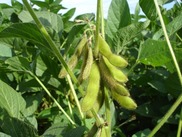
USDA announced the next phase in the Farmer Bridge Assistance Program (FBA), the eligible commodity per-acre payment rates. In 2026, $12 billion will be paid to American farmers. Of that amount, $11 billion consists of one-time FBA program payments.
Eligible Row Crop Commodities and Payment Rates:
Below are the payment rates for the FBA eligible commodities that triggered a payment.
Commodity, Per Acre Payment Rates
- Barley: $20.51
- Canola: $23.57
- Chickpeas (Large): $26.46
- Chickpeas (Small): $33.36
- Corn: $44.36
- Cotton: $117.35
- Flax: $8.05
- Lentils: $23.98
- Mustard: $23.21
- Oats: $81.75
- Peanuts: $55.65
- Peas: $19.60
- Rice: $132.89
- Safflower: $24.86
- Sesame: $13.68
- Sorghum: $48.11
- Soybeans: $30.88
- Sunflower: $17.32
- Wheat: $39.35
Eligibility, Program Applications, and Crop Insurance Linkage
FBA payments are based on 2025 planted acres, Economic Research Service cost of production, and the World Agriculture Supply and Demand Estimate Report. Double crop acres, including all initial and subsequently planted crops, are eligible. Prevent plant acres are not eligible.
All intended row crop uses are eligible for FBA except grazing, volunteer stands, experimental, green manure, crops left standing and abandoned or cover crops.
Crop insurance linkage is not required; however, USDA strongly urges producers to take advantage of the new risk management tools provided for in the One Big Beautiful Bill Act (OBBBA) to best protect against future price risk and volatility. The OBBBA federal crop insurance improvements include expanding benefits for beginning farmers and ranchers, increasing coverage options, and making crop insurance more affordable.
Specialty Crop Assistance
Of the $12 billion being provided by the Commodity Credit Corporation Charter Act, up to $11 billion is being directed to eligible row crop producers and the remaining $1 billion of the $12 billion in assistance is reserved for
specialty crops and sugar. Timelines for payments to producers of these crops are still under development and require additional understanding of market impacts and economic needs.
Producers, including specialty crop producers and stakeholder groups, can submit questions to farmerbridge@usda.gov.
More information on FBA is available online at https://www.fsa.usda.gov/fba or you can contact your local USDA FSA county office.
|
Top of page
The U.S. Department of Agriculture (USDA) has revised the Farm Service Agency (FSA) county committee voting period, and eligible agricultural producers and private landowners across the country should have received ballots beginning the week of Jan. 5.
Elections are occurring in certain Local Administrative Areas (LAA) for these committee members who make important decisions about how federal farm programs are administered locally. Producers and landowners must return ballots to their local FSA county office or have their ballots postmarked by Feb. 2, 2026, for those ballots to be counted. Newly elected members will take office on March 2, 2026.
To be eligible to vote in the county committee elections, producers must participate or cooperate in a USDA program and be assigned to the LAA that is up for election. Each year, at least one LAA in each COC jurisdiction is up for election on a three-year rotation, and each producer is assigned to vote in a single LAA. A cooperating producer is someone who has provided information about their farming or ranching operation to FSA, even if they have not applied or received program benefits.
For purposes of FSA county committee elections, every member of an American Indian tribe is considered an agricultural landowner if the land on which the tribal member’s voting eligibility is based is tribally owned or held in trust by the U.S. for the tribe, even if the individual does not personally produce a commodity on that land.
Tribal agricultural landowners 18 years and older can contact their local FSA county office to register to vote.
Nationwide, more than 7,700 dedicated members of the agriculture community serve on FSA county committees. The committees are comprised of three to 11 members who serve three-year terms. Committee members play a key role in how FSA delivers disaster recovery, safety-net, conservation, commodity and price support programs, as well as making decisions on county office employment and other agricultural issues.
Ballots must be postmarked or delivered in person to the local FSA office by close of business Feb. 2, 2026, to be counted. Newly elected committee members will take office March 2, 2026. Producers can identify LAAs up for election through a geographic information system locator tool available at fsa.usda.gov/elections and may confirm their LAA by contacting their local FSA office. Eligible voters who do not receive a ballot in the mail can request one from their local FSA county office.
Visit fsa.usda.gov/elections for more information on county committee elections. To learn more about FSA programs, producers can contact their local USDA Service Center.
USDA’s Farm Service Agency (FSA) is delivering more than $16 billion in total Congressionally approved disaster relief. FSA is now accepting applications for assistance through the second stage of the Supplemental Disaster Relief Program (SDRP) from agricultural producers who suffered eligible non-indemnified, uncovered or quality crop losses due to qualifying natural disasters in 2023 and 2024.
Stage Two covers eligible crop, tree, bush and vine losses that were not covered under Stage One program provisions, including non-indemnified (shallow loss), uncovered and quality losses. Although the majority of payments from the first stage are already in the hands of producers helping them prepare for and invest in the next crop year, Stage One assistance, announced in July, remains available to producers who received an indemnity under crop insurance or the Noninsured Crop Disaster Assistance Program (NAP) for eligible crop losses due to qualifying 2023 and 2024 natural disaster events.
The deadline to apply for both Stage One and Stage Two assistance is April 30, 2026.
Additionally, FSA is taking applications for assistance from producers who had to dump or remove milk from the commercial market and who incurred losses of eligible farm stored commodities due to qualifying disaster events in 2023 and 2024.
SDRP Stage Two Program Details
SDRP Stage Two provides assistance for eligible crop, tree, bush and vine losses not covered under Stage One, including:
-
Non-Indemnified Losses (Including Shallow Losses)
- Insured losses through federal crop insurance that did not trigger a crop insurance indemnity.
- Losses with NAP coverage that did not trigger a NAP payment.
-
Uncovered Losses (Uninsured Losses)
- Includes losses that were not insured through federal crop insurance or NAP.
-
Quality Losses
- Includes quality losses to commodities indicated by:
- A decrease in value based on discounts due to the physical condition of the crop supported by applicable grading factors
- A decline in the nutritional value of forage crops supported by documented forage tests.
- Producers will certify to an SDRP quality loss percentage.
FSA is establishing block grants with Connecticut, Hawaii, Maine, and Massachusetts that cover crop losses; therefore, producers with losses on land physically located in these states are not eligible for SDRP program payments.
For information on program eligibility and to download an application checklist, visit fsa.usda.gov/sdrp.
More information will be provided in early 2026 regarding a separate enrollment period for quality losses covered by SDRP Stage One as well as for insured producers in Puerto Rico who were not included in Stage One because data was not available when pre-filled applications were mailed.
Milk and On-Farm Stored Crop Loss Assistance
The Milk Loss Program provides up to $1.65 million in payments to eligible dairy operations for milk that was dumped or removed without compensation from the commercial milk market because of a qualifying natural disaster event in 2023 and/or 2024.
Producers who suffered losses of eligible harvested commodities while stored in on-farm structures in 2023 and/or 2024 due to a qualifying natural disaster event may be eligible for assistance through the On-Farm Stored Commodity Loss Program, which provides for up to $5 million to impacted producers.
The deadline to apply for milk and on-farm stored commodity losses is Jan. 23, 2026. Information and fact sheets for both programs are available online at fsa.usda.gov/mlp for milk loss and fsa.usda.gov/ofsclp for on-farm stored commodity losses.
To make an appointment to apply, call your local County FSA Office.
Agricultural producers who suffered eligible crop losses due to natural disasters in 2023 and 2024 can apply for $16 billion in assistance through the Supplemental Disaster Relief Program (SDRP).
To expedite the implementation of SDRP, USDA’s Farm Service Agency (FSA) is delivering assistance in two stages. This first stage is open to producers with eligible crop losses that received assistance under crop insurance or the Noninsured Crop Disaster Assistance Program during 2023 and 2024. Stage One sign-up started in-person at FSA county offices on July 10 and prefilled applications were mailed to producers starting July 9.
SDRP Stage One
FSA launched a streamlined, pre-filled application process for eligible crop, tree, and vine losses by leveraging existing Noninsured Crop Disaster Assistance Program (NAP) and Risk Management Agency (RMA) indemnified loss data. The pre-filled applications were mailed on July 9, 2025.
Eligibility
Eligible losses must be the result of natural disasters occurring in calendar years 2023 and/or 2024. These disasters include wildfires, hurricanes, floods, derechos, excessive heat, tornadoes, winter storms, freeze (including a polar vortex), smoke exposure, excessive moisture, qualifying drought, and related conditions.
To qualify for drought related losses, the loss must have occurred in a county rated by the U.S. Drought Monitor as having a D2 (severe drought) for eight consecutive weeks, D3 (extreme drought), or greater intensity level during the applicable calendar year.
Producers in Connecticut, Hawaii, Maine, and Massachusetts will not be eligible for SDRP program payments. Instead, these states chose to cover eligible crop, tree, bush, and vine losses through separate block grants. These block grants are funded through the $220M provided for this purpose to eligible states in the American Relief Act.
How to Apply
To apply for SDRP, producers must submit the FSA-526, Supplemental Disaster Relief Program (SDRP) Stage One Application by April 30, 2026, in addition to having other forms on file with FSA.
SDRP Stage One Payment Calculation
Stage One payments are based on the SDRP adjusted NAP or Federal crop insurance coverage level the producer purchased for the crop. The net NAP or net federal crop insurance payments (NAP or crop insurance indemnities minus administrative fees and premiums) will be subtracted from the SDRP calculated payment amount. For Stage One, the total SDRP payment to indemnified producers will not exceed 90% of the loss and an SDRP payment factor of 35% will be applied to all Stage One payments. If additional SDRP funds remain, FSA may issue a second payment.
Future Insurance Coverage Requirements
All producers who receive SDRP payments are required to purchase federal crop insurance or NAP coverage for the next two available crop years at the 60% coverage level or higher. Producers who fail to purchase crop insurance for the next two available crop years will be required to refund the SDRP payment, plus interest, to USDA.
SDRP Stage 2
FSA recently announced the SDRP Stage 2 sign-up period, which also runs through April 30, 2026. Learn more by visiting fsa.usda.gov/sdrp.
The USDA Farm Service Agency’s (FSA)Supplemental Disaster Relief Program (SDRP) provides assistance for eligible crop losses due to natural disasters in 2023 and 2024. The deadline to apply is April 30, 2026.
Eligible U.S. Drought Monitor Losses
To qualify for drought related losses, the loss must have occurred in a county rated by the U.S. Drought Monitor as having a D2 (severe drought) for eight consecutive weeks, D3 (extreme drought), or greater intensity level during the applicable calendar year. View the list of counties eligible for SDRP due to qualifying drought for 2023 and 2024.
Other Eligible Disaster Events and Related Conditions
Producers who received an indemnity in 2023 or 2024 but did not qualify based on the U.S. Drought monitor may still be eligible for assistance. If your county did not trigger based on the U.S. Drought Monitor, do not certify “drought” as the cause of loss on your application as it will not be approved. Instead, producers should review all qualifying disaster events and related conditions such as excessive heat or excessive wind and select all applicable causes of loss.
Below is a list of all qualifying disaster events with the eligible related conditions in parentheses:
- Hurricanes (including related excessive wind, storm surges, tornadoes, tropical storms, and tropical depression)
- Floods (including related silt and debris)
- Derechos (including related excessive wind)
- Winter storms (including related blizzard and excessive wind)
- Freeze (including a polar vortex)
Qualifying drought
Related conditions must have occurred as a direct result of the indicated disaster event.
Losses due to Hail
Hail is not a qualifying disaster event, but you may be eligible if it was directly related to a qualifying disaster event.
For example, if a producer’s crop suffered damage from hail, but the hail damage was directly related to a tornado, then this would qualify for an SDRP payment since tornado is a qualifying disaster event.
Documentation for Spot Checks
Producers who certify that a qualifying disaster event caused the loss should be prepared to provide documentation to support their self-certification if they are selected for a spot check. Documentation is not required to be submitted with your application. Additionally, producers are not required to verify the cause of loss with their crop insurance agent.
Producers should complete the pre-filled application that was mailed on July 9. If you received a crop insurance indemnity in 2023 or 2024 and did not receive an application, please visit your local FSA office and they can print your pre-filled application.
For additional help with your application, please review the FSA-526 Instructions for Stage 1. Learn more about SDRP, eligibility and future insurance requirements by visiting fsa.usda.gov/sdrp.
The Farm Loan team is already working on operating loans for spring 2026 and asks potential borrowers to submit their requests early so they can be timely processed. The farm loan team can help determine which loan programs are best for applicants.
FSA offers a wide range of low-interest loans that can meet the financial needs of any farm operation for just about any purpose. The traditional farm operating and farm ownership loans can help large and small farm operations take advantage of early purchasing discounts for spring inputs as well expenses throughout the year.
Microloans are a simplified loan program that will provide up to $50,000 for both Farm Ownership and Operating Microloans to eligible applicants. These loans, targeted for smaller and non-traditional operations, can be used for operating expenses, starting a new operation, purchasing equipment, and other needs associated with a farming operation. Loans to beginning farmers and members of underserved groups are a priority.
Other types of loans available include:
Marketing Assistance Loans allow producers to use eligible commodities as loan collateral and obtain a 9-month loan while the crop is in storage. These loans provide cash flow to the producer and allow them to market the crop when prices may be more advantageous.
Farm Storage Facility Loans can be used to build permanent structures used to store eligible commodities, for storage and handling trucks, or portable or permanent handling equipment. A variety of structures are eligible under this loan, including bunker silos, grain bins, hay storage structures, and refrigerated structures for vegetables and fruit. A producer may borrow up to $500,000 per loan.
The Natural Resources Conservation Service (NRCS) works to help farmers, ranchers and forest landowners invest in their operations and local communities to keep working lands working, boost rural economies, increase the competitiveness of American agriculture and improve the quality of our air, water, soil and wildlife habitat.
Simply put – NRCS helps America’s farmers, ranchers and forestland owners make conservation work for them.
Our Conservation Technical Assistance (CTA) program enables every acre of voluntary conservation applied through every program NRCS administers. It is the foundation of our financial and technical assistance delivery system.
Every farm and acre is unique and requires tailored management; and every decision maker has different management concerns and needs. Our technical assistance is one-on-one, personalized advice and support to help producers make the best decisions for their lands – and is offered free of charge.
This personalized assistance provides producers with the science-based data and tools to make informed decisions about where to target efforts to get the greatest return on their investment and ensure the long-term sustainability of American agriculture.
A comprehensive conservation plan is the first step to managing all the natural resources on a farm. NRCS walks the farm with the producer and develops options to address that producer’s needs. Our toolbox includes aerial photos, soil surveys, engineering solutions and individual science-based analysis customized for the producer’s property. The plan we develop with the producer combines existing production methods with recommended conservation practices to best manage that farm’s unique natural resources, while allowing the producer to grow sustainably and productively. Supported by our expert analysis and recommendations, the producer chooses which option best meets their needs. These decisions become the producer’s conservation plan, a step-by-step guide to reach their objectives.
This planning process also makes it easier to identify how and when the farmer, rancher or forest landowner could qualify for Farm Bill financial assistance to help them install conservation systems or receive incentives for trying new ones. We have the expertise to see our customers through this process. Because identifying when, where and how to implement practices is not plug and play.
The final plan provides a roadmap for the producer to meet their natural resource conservation goals. It includes helpful information on each of the producer’s practices, such as how they benefit the farm, how to maintain them, and how they help the soil, water and wildlife.
By developing a conservation plan and adding conservation to the land, farmers, ranchers and forest landowners can protect the land’s ability to provide for their family and future generations.
With offices in communities nationwide, NRCS staff provide the information, tools and delivery systems necessary for producers – in every state and territory – to conserve, maintain and improve their natural resources. Contact your local USDA service center to find out more.
Top of page
USDA in NORTH CAROLINA
Service Center Locator
State Executive Director - Ronald Garrett
Natural Resources Conservation Service
State Conservationist - Timothy Beard
Regional Director - Kevin Wooten
Rural Development Agency
State Director - Robert Hosford
|
|






