
Colorado USDA Newsletter - May 8, 2025
In This Issue:
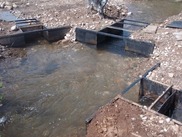
The USDA Natural Resources Conservation Service (NRCS) in Colorado and Colorado Open Lands (COL) are announcing a funding opportunity through the Regional Conservation Partnership Program (RCPP). About $1 million is available to help producers interested in conservation activities.
Producers within the project area that are interested in implementing land management conservation activities have until October 1, 2025, to submit an application through the NRCS’s San Luis Service Center. Land management activities include practices like structure for water control, irrigation pipeline, high tunnel, and gated pipe.
Producers within the project area that are interested in enrolling in a conservation easement on their agricultural operation have until October 25, 2025, to submit an application through an entity. Conservation easements protect and secure senior water rights, prime soils, native wildlife habitat, and the area’s agricultural heritage.
The San Luis Service Center can be reached at (719) 672-3673. For additional information, see this announcement.
The purpose of the Acequia Conservation Initiative RCPP projects is to help historically underserved acequia landowners create stability and sustainability on their agriculture operations within Rio Culebra. Rio Culebra is a sub-watershed of the Upper Rio Grande River in Costilla County, Colorado. The area is of both state and national conservation significance and is supported by Hispano farmers who have a united vision for improved soil and watershed health. In the 1850s, Hispano settlers from the Taos Valley in New Mexico established several small villages along the Rio Culebra in the San Luis Valley. They brought with them their system for land and water management known as acequias. Acequias are a system of gravity-fed, communally managed irrigation ditches that are generally used for flood irrigation. This method of irrigation supports agriculture, aquifer recharge, and wildlife habitat.
The project has been successful thus far. During the first phase, NRCS helped producers implement land management activities on more than 300 acres as well as enroll more than 3,800 acres into agricultural land easements. Now, the project is in its second phase, NRCS has helped producers implement land management activities on more than 200 acres and enroll more than 275 acres into agricultural land easements.
|
The USDA Risk Management Agency’s (RMA) Nursery Value Select (NVS) is a pilot program that allows nursery producers to select the dollar amount of coverage that best fits their risk management needs. NVS is available in all states and counties.
Beginning with the 2026 crop year, NVS will replace the Nursery Field Grown and Container (FG&C) crop insurance program. Nursery FG&C will no longer be available for producers to purchase after the 2025 crop year.
NVS will offer comparable but improved risk management options for those who currently have coverage with the Nursery FG&C program. Like Nursery FG&C, NVS also covers field grown and containerized nursery plants and offers coverage levels between catastrophic and 75%. Unlike Nursery FG&C, NVS has simplified reporting requirements, and an Occurrence Loss Option is available.
The next sales closing date for the 2026 crop year is Sept. 1, 2025, and is available to producers in all states except those states along the Gulf Coast and East Coast (including Pennsylvania, Vermont, and West Virginia). For all other producers, the sales closing date was May 1, 2025. NVS allows producers to apply for or renew coverage after the sales closing date. Producers should contact a local crop insurance agent to learn more about NVS and how they can apply for coverage for the 2026 crop year.
Learn more about crop insurance and the modern farm safety net on the RMA website and the Basics for Beginners webpage. Producers may also contact their RMA Regional Office.
U.S. Secretary of Agriculture Brooke Rollins announced a second round of payments coming this week for specialty crop producers through the Marketing Assistance for Specialty Crops (MASC) program, providing up to $1.3 billion in additional program assistance. U.S. Department of Agriculture’s (USDA) Farm Service Agency (FSA) already delivered just under $900 million in first round payments to eligible producers.
About MASC
First announced in December 2024, MASC authorized $2 billion in Commodity Credit Corporation funds to assist specialty crop growers with rising input costs and aid in the expansion of domestic markets. In January 2025, in response to stakeholder feedback and program demand, funding for MASC was increased to $2.65 billion. The MASC application period closed on Jan. 10, 2025.
MASC is designed to help specialty crop producers meet higher marketing costs related to:
- perishability of specialty crops like fruits, vegetables, floriculture, nursery crops and herbs;
- specialized handling and transport equipment with temperature and humidity control;
- packaging to prevent damage;
- moving perishables to market quickly; and
- higher labor costs.
MASC covers the following commercially marketed specialty crops:
- fruits (fresh, dried);
- vegetables (including dry edible beans and peas, mushrooms, and vegetable seed);
- tree nuts;
- and other specialty crops.
Top of page
The Farm Service Agency’s (FSA) Noninsured Crop Disaster Assistance Program (NAP) provides financial assistance to producers of non-insurable crops, including mechanically harvested forage with NAP coverage, to protect against natural disasters that occur during the coverage, resulting in loss of production, loss of value, or prevented planting of an eligible crop.
If you have NAP coverage on mechanically harvested forage, you must:
- Maintain separate production records for each unit, crop, practice, crop type, and intended use.
- Submit production records to FSA by the designated production reporting date for the crop.
- Notify your FSA administrative county office before grazing, abandoning, or destroying forage acreage reported, on FSA form FSA-578, as intended to be mechanically harvested; and request an appraisal.
- Notify your FSA administrative county office of a loss and timely file CCC-576, Notice of Loss and Application for Payment, Part B, the earlier of:
- 15 calendar days after the disaster occurs, or damage first becomes apparent.
- 15 calendar days after the crop’s normal harvest date.
- If you change your intended use or experience a loss during the coverage period, you must:
- Establish and maintain representative sample areas when an appraisal of the acreage is required.
- Inform your FSA administrative county office of the location of representative sample areas within 15 days of placing the panels.
- Request an appraisal of the representative sample areas at the end of harvest period but before first freeze.
For more information on NAP and NAP compliance requirements you must follow to retain NAP coverage, contact your local USDA service center.
The U.S. Department of Agriculture’s (USDA) updates to the Farm Service Agency’s (FSA) Farm Loan Programs are officially in effect. These changes, part of the Enhancing Program Access and Delivery for Farm Loans rule, are designed to increase financial flexibility for agricultural producers, allowing them to grow their operations, boost profitability, and build long-term savings.
These program updates reflect USDA’s ongoing commitment to supporting the financial success and resilience of farmers and ranchers nationwide, offering critical tools to help borrowers manage their finances more effectively.
What the new rules mean for you:
- Low-interest installment set-aside program: Financially distressed borrowers can now defer up to one annual loan payment at a reduced interest rate. This simplified option helps ease financial pressure while keeping farming operations running smoothly.
- Flexible repayment terms: New repayment options give borrowers the ability to increase their cash flow and build working capital reserves, allowing for long-term financial planning that includes saving for retirement, education, and other future needs.
- Reduced collateral requirements: FSA has lowered the amount of additional loan security needed for direct farm loans, making it easier for borrowers to leverage their existing equity without putting their personal residence at risk.
These new rules provide more financial freedom to borrowers. By giving farmers and ranchers better tools to manage their operations, we’re helping them build long-term financial stability. It’s all about making sure they can keep their land, grow their business, and invest in the future.
If you’re an FSA borrower or considering applying for a loan, now is the time to take advantage of these new policies. We encourage you to reach out to your local FSA farm loan staff to ensure you fully understand the wide range of loan making and servicing options available to assist with starting, expanding, or maintaining your agricultural operation.
To conduct business with FSA, please contact your local USDA Service Center.
FSA Offers Loan Servicing Options
There are options for Farm Service Agency (FSA) loan customers during financial stress. If you are a borrower who is unable to make payments on a loan, contact your local FSA Farm Loan Manager to learn about your options.
Looking for ways to do business with USDA that saves you time? Look no further than farmers.gov.
When you create an account for the farmers.gov authenticated customer portal, you have access to self-service features through a secure login. Managing your business with USDA’s Farm Service Agency (FSA) and Natural Resources Conservation Service (NRCS) is faster than ever. From e-signing documents, viewing, printing, and exporting maps and receiving notifications of payment disbursements, a farmers.gov authenticated account makes doing business with USDA easy and secure.
What can you do with your farmers.gov account?
- View FSA Farm Loan information including interest payments, loan advances, payment history and paid-in-full/restructured loans.
- Make USDA direct farm loan payments using the Pay My Loan feature.
- Access the Online Loan Application portal.
- View, print and export detailed FSA farm records and farm/tract maps.
- Import precision agriculture planting boundaries, create labels containing crop information, and print both on farm tract maps.
- View and print your FSA-156EZ with farm details
- View and print your Producer Farm Data Report
- View NRCS Disbursements and Farm Loans financial activity from the past 180 days.
- View your land, access NRCS data on your conservation plans, contracts, and planning land units through the Conservation Land Area page.
- View, upload, download and e-sign NRCS documents.
- Request NRCS conservation and financial assistance, including submitting a program application.
- View detailed information on all previous and ongoing NRCS contracts, including the amount of cost- share assistance received and anticipated; and even request contract modifications, report practice completion and request practice certification.
- “Switch Profiles” to act on behalf of your entity or another individual when you have active representative authority on file
If you’d like to see the features in action and learn more about how to use them, check out the 3-5 minute farmers.gov account video tutorials.
How do you create a farmers.gov account?
Visit farmers.gov/account to access information about farmers.gov accounts and sign in to the site’s authenticated portal. You will need a Login.gov account linked to your USDA customer record to access your farmers.gov authenticated site. Customers who are new to USDA should visit Get Started at Your USDA Service Center, then go to farmers.gov/account to create a farmers.gov account.
To create a farmers.gov account you will need:
- A USDA individual customer record — A customer record contains information you have given to USDA to do business with them, like your name, address, phone number, and any legal representative authority relationships. Contact your local USDA Service Center to make sure you have an individual USDA customer record on file and your information is up to date.
- A Login.gov account — Login.gov is a sign-in service that gives people secure online access to participating government programs. You can create a Login.gov account linked to your customer record by following the directions on gov/account.
- Identity Verification — You can choose to verify your identity with Login.gov or in-person at a USDA Service Center.
In addition to the self-service features, farmers.gov also has information on USDA programs, farm loans, disaster assistance, conservation programs and crop insurance.
Top of page
USDA Service Center
Colorado State Office
1 Denver Federal Center, Bld 56
Denver, CO 80225
Phone: 720-544-2876
Fax: 844-860-8238
|
|
Farm Service Agency
|
|
State Executive Director
Jerry Sonnenberg
720.544.2876
|
Communications Specialist
Elizabeth Thomas
720.544.2879
Elizabeth.Thomas1@usda.gov
|
|
Natural Resource Conservation Service
|
|






