NRCS North Dakota State Office - April 4, 2025
In This Issue:

BISMARCK, N.D. — As Volunteer Appreciation Week 2025 unfolds, the USDA’s Natural Resources Conservation Service (NRCS) in North Dakota is shining a spotlight on the dedicated Earth Team volunteers who help make conservation efforts possible. Among those recognized are two long-serving champions of conservation, Mark Hamley and Wallace Decoteau, who have volunteered for over 17 years through Turtle Mountain Community College (TMCC) and the National Youth Sports Program (NYSP) in Belcourt.
Hamley, the Natural Resources Director at TMCC, and Decoteau, the Director of National Youth Sports and Alternative Learning Programs at Belcourt High School, have been instrumental in fostering environmental stewardship among local youth. Through their leadership, hundreds of students have gained hands-on conservation experience at events such as the Conservation Day Camp, held at TMCC’s Anishinabe Campus on Belcourt Lake.
The camp, which featured six conservation stations covering soils, wildlife, wetlands, range, engineering, and forestry, provided over 180 students with an opportunity to engage directly with natural resource professionals and tools used in the field. The event was a collaborative effort made possible by NRCS, Turtle Mountain Tribe, U.S. Fish & Wildlife Service, North Dakota Forest Service, and numerous volunteers from TMCC, NYSP, and USDA-Farm Service Agency.
Dan Hovland, State Conservationist for NRCS North Dakota, emphasized the vital role volunteers play in the agency’s mission.
“Volunteers like Mark Hamley and Wallace Decoteau are the heart of conservation efforts in North Dakota,” Hovland said. “For nearly two decades, they have inspired generations of students to care for the land and understand the importance of natural resources. We are incredibly grateful for their service and dedication.”
|
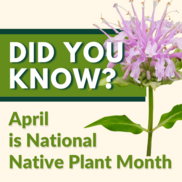
April is Native Plant Month! How is this observance significant to the mission of the Natural Resources Conservation Service? Here are a few key reasons:
- Soil Health: Native plants help improve soil quality by preventing erosion, enriching the soil with organic matter, and promoting beneficial soil organisms. This contributes to overall soil health, which is vital for agriculture and natural ecosystems.
- Water Conservation: Many native plants are more drought-resistant than non-native species, making them an important resource for water conservation. Promoting the use of native plants can help reduce water use in landscaping and farming.
- Pollinator Support: Native plants are crucial for supporting pollinator populations, including bees, butterflies, and other beneficial insects. This is essential for agricultural productivity and maintaining healthy wild plant populations.
- Land Restoration: The NRCS often promotes the use of native plants in restoration projects to rehabilitate disturbed lands. Using native species in these efforts helps restore native habitats and ecosystems affected by human activity.
Through programs and initiatives that coincide with Native Plant Month, the NRCS can further its objectives of promoting conservation practices, enhancing natural resources, and increasing public awareness about the importance of biodiversity and sustainable land use.
|
Top of page
Episode 7: Flyover Country features interviews with Dr. Andy Boyce of the Smithsonian Migratory Bird Center, Dr. Susan Felege of the Felege Wildlife Lab at UND, and Ashlyn Herron, a graduate student at UND working with Dr. Boyce, Dr. Felege, and local ranchers throughout North Dakota.
Episode 8: Wetlands, Waterfowl, and Working Lands with Ducks Unlimited features interviews with Robert Ford and Emily Schwartz of Ducks Unlimited. Robert is a biologist and Emily is an agronomist, and our conversation focuses on how preserving wetlands and grasslands in North Dakota is not only essential for waterfowl, but it also offers economic and soil health benefits to farmers and ranchers through working lands approaches to conservation.
Top of page
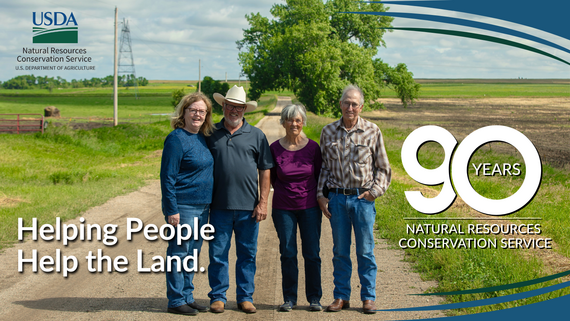
The NRCS will be celebrating its 90th birthday on April 27, 2025.
 Top of page
 Top of page
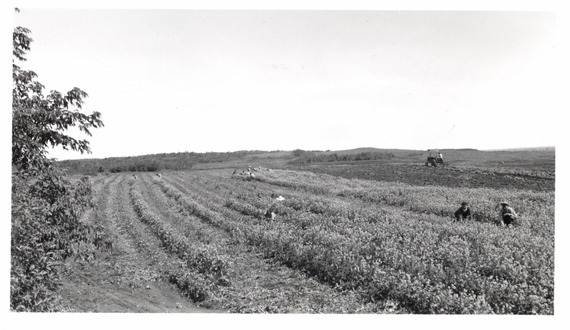 The year is 1942, and the Belcourt Community Garden is coming along nicely.
Top of page
Top of page
|