|
  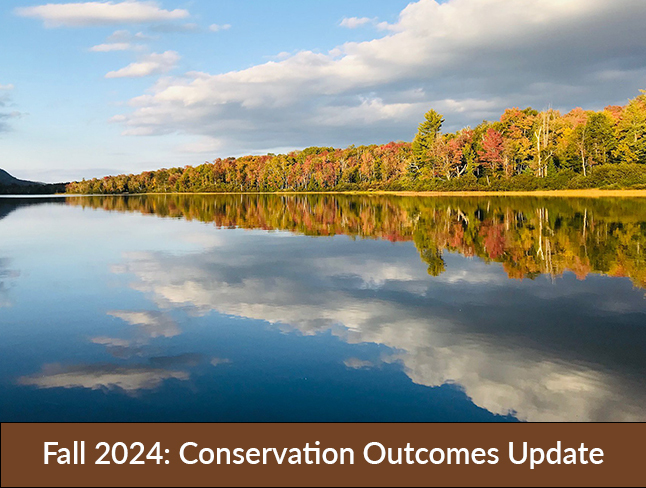 The Conservation Effects Assessment Project (CEAP) is an effort led by USDA’s Natural Resources Conservation Service (NRCS) to evaluate and inform strategic, data-driven voluntary conservation. Whether you’re a farmer or rancher, conservation partner, or researcher, we’re here with resources to serve you.
What's New
This fall we’ve been busy reaping data and sharing conservation insights and outcomes. Here’s the latest from CEAP.
- Phosphorus, a critical fertilizer nutrient required for crop production, can trigger unwanted changes to aquatic systems when it ends up in our water bodies. Historical sources of phosphorus accumulate in soils, wetlands, and streams. This webinar shares CEAP study insights about mitigating legacy phosphorus which requires targeted conservation in fields, at the edges of fields, and in watersheds.
- This new USDA Legacy Phosphorus Assessment Project webpage highlights additional CEAP efforts to address this important water quality concern.
- This blog by NRCS Chief Terry Cosby highlights some of the key ways NRCS supports voluntary conservation efforts to deliver wins for water quality and working lands.
- We’ve grown our library of CEAP publications including this article highlighting a CEAP wetland project modeling the cumulative impacts of various wetland restoration scenarios and this journal article about this CEAP Wildlife supported study on how grazing in western rangelands impacts native ground-nesting bees and other critical pollinators.
October 24 Webinar: Lessons Learned for Water Quality Outcomes: Conservation Planning and Implementation for Healthy Watersheds
CEAP Watershed Assessment studies provide in-depth evaluation of water quality, water availability, and soil concerns at the watershed scale and within. What have we learned about managing for water quality outcomes and watershed health through CEAP? Our next Conservation Outcomes Webinar, scheduled for October 24 at 2:00 p.m. eastern, will answer this question and more.
Dr. Deanna Osmond will share lessons learned, synthesized from 13 watershed-scale studies of conservation effects conducted under CEAP. This free, one-hour webinar is open to all and will highlight the effects of cropland and pastureland conservation practices on water quality outcomes at the watershed scale. Visit our Conservation Outcomes Webinar Series webpage for additional details, instructions to join, a calendar of future events, and recordings of past webinars.
|

In Case You Missed It: New Findings for Pollinator Habitat Decisions
Findings from recent Conservation Effects Assessment Project (CEAP) studies can help landowners get the most “buzz” from their pollinator habitat conservation choices. Virginia Tech collaborated on a first-of-its-kind study to evaluate the impacts of NRCS’s voluntary conservation practices on pollinator habitat nationwide. This study identifies 51 NRCS conservation practices that benefit pollinators and provides insight on the best areas to target pollinator habitat to maximize those benefits. A regional study in the southeastern U.S. by Auburn University assessed the attractiveness of native wildflower species to bees and found there are three clear favorites.
|

Featured Expert:
Meet Lisa Duriancik
CEAP Watershed Assessments provide key resources to inform science-backed, data-driven water quality conservation efforts nationwide. Lisa Duriancik is our CEAP Watershed Lead.
|
- This Ask the Expert blog features Lisa answering questions about her work to quantify the effects of voluntary conservation on water quality in fields and selected watersheds.
- This webpage features dozens of publications and articles from CEAP watersheds, including this publication that describes research findings from 23 watershed studies at 18 locations. These outcome findings, the improved simulation models, and the newly developed conservation practices and assessment tools contribute towards more effective conservation strategies and document conservation outcomes.
- Lisa is the CEAP Lead for this recorded Conservation Outcomes Webinar, that highlights the science supporting water quality outcomes that can be achieved through SMART nutrient and water management strategies. The presenter is Dr. Kevin King of USDA’s Agricultural Research Service.
|
|
|
|






