|
View as a webpage / Share
|

|
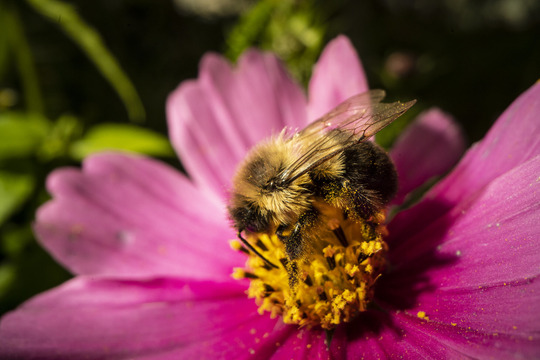 From alfalfa to zucchini, over 100 U.S. crops depend on animal pollinators. We need pollinators, and pollinators need us. In celebration of National Pollinator Week, the U.S. Department of Agriculture is sharing a suite of resources to help you support pollinators through voluntary conservation, on working lands.
You’re Invited! Join our National Pollinator Week Conservation Outcomes Webinar.
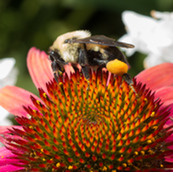
Supporting pollinators is critical to our food security and a key USDA conservation focus in collaboration with farmers, ranchers, and other land managers nationwide.
On June 20 at 2:00 p.m. eastern, the Natural Resources Conservation Service will host a Conservation Outcomes Webinar that shares findings on the value of pollinator practices applied through voluntary conservation programs including the Environmental Quality Incentives Program, Conservation Stewardship Program, and Conservation Reserve Program. This free, one-hour webinar will answer a suite of questions addressed in a recent study conducted by Virginia Tech in collaboration with USDA’s Conservation Effects Assessment Project, including on the effectiveness of these programs in supporting pollinators and strategies to increase benefits. Visit the Conservation Outcomes Webinar Series webpage, linked below, to learn more. We hope you’ll join!
Access Webinar Details
|
Bee in the Know About USDA Programs for Honey Producers
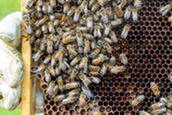
From plants to final product, USDA has programs to help bees and honey producers every step of the way. Our Bee in the Know brochure provides information on ways FSA, NRCS and RMA offer producers support for pollinator habitat and other assistance for beekeepers. Our programs can help protect and conserve habitat, protect your investments and recover from disasters impacting your operation.
Access Bee in the Know
|
New Songbird Habitat Study Unlocks Benefits for the Monarch Butterfly
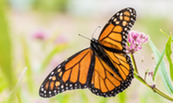
USDA is always looking for innovative ways to help sustain habitat for critical pollinators. Bees, butterflies, bats, birds and beetles are all crucial to sustaining healthy plant growth, which translates to a nutritious food supply for us all. That’s why we are sharing a new study that explores the young forests and shrublands within the eastern deciduous forests of the United States and discovers managing habitat for songbirds like the golden-winged warbler also benefits insect pollinators like the at-risk monarch butterfly.
Discover More
|
|
|
|
|
|
|
|






