|
Using the correct signature when doing business with FSA can save time and prevent a delay in program benefits.
The following are FSA signature guidelines:
- A married woman must sign her given name: Mrs. Mary Doe, not Mrs. John Doe
- For a minor, FSA requires the minor's signature and one from the minor’s parent
Note, by signing a document with a minor, the parent is liable for actions of the minor and may be liable for refunds, liquidated damages, etc.
When signing on one’s behalf the signature must agree with the name typed or printed on the form or be a variation that does not cause the name and signature to be in disagreement. Example - John W. Smith is on the form. The signature may be John W. Smith or J.W. Smith or J. Smith. Or Mary J. Smith may be signed as Mrs. Mary Joe Smith, M.J. Smith, Mary Smith, etc.
FAXED signatures will be accepted for certain forms and other documents provided the acceptable program forms are approved for FAXED signatures. Producers are responsible for the successful transmission and receipt of FAXED information.
Spouses may sign documents on behalf of each other for FSA and CCC programs in which either has an interest, unless written notification denying a spouse this authority has been provided to the county office.
Spouses cannot sign on behalf of each other as an authorized signatory for partnerships, joint ventures, corporations or other similar entities. Likewise, a spouse cannot sign a document on behalf of the other in order to affirm the eligibility of oneself.
Any member of a general partnership can sign on behalf of the general partnership and bind all members unless the Articles of Partnership are more restrictive. Spouses may sign on behalf of each other’s individual interest in a partnership, unless notification denying a spouse that authority is provided to the county office. Acceptable signatures for general partnerships, joint ventures, corporations, estates, and trusts must consist of an indicator “by” or “for” the individual’s name, individual’s name and capacity, or individual’s name, capacity, and name of entity.
For additional clarification on proper signatures contact your local FSA office.

FSA is cleaning up our producer record database and needs your help. Please report any changes of address, zip code, phone number, email address or an incorrect name or business name on file to our office. You should also report changes in your farm operation, like the addition of a farm by lease or purchase. You should also report any changes to your operation in which you reorganize to form a Trust, LLC or other legal entity.
FSA and NRCS program participants are required to promptly report changes in their farming operation to the County Committee in writing and to update their Farm Operating Plan on form CCC-902.
To update your records, contact your local County USDA Service Center at.
|
Looking for ways to do business with USDA that saves you time? Look no further than farmers.gov.
When you create a farmers.gov account for the farmers.gov authenticated site, you have access to self-service features through a secure login. Managing your business with the Farm Service Agency (FSA) and the National Resources Conservation Service (NRCS) is faster than ever. From e-signing documents, viewing, printing, and exporting maps and receiving notifications of payment disbursements, a farmers.gov authenticated account makes doing business with USDA easy and secure.
What can you do with your farmers.gov account?
- Submit a Direct Farm Loan application. This tool and other process improvements allow farmers and ranchers to submit complete loan applications. Helpful features include an electronic signature option, the ability to attach supporting documents such as tax returns, complete a balance sheet, and build a farm operating plan.
- View NRCS Disbursements and Farm Loans financial activity from the past 180 days.
- View, print and export detailed farm records and farm/tract maps.
- Export common land unit (field) boundaries as ESRI and GeoJSON file types.
- Import precision agriculture planting boundaries, create labels containing crop information, and print both on farm tract maps.
- Use the draw tools to determine acres in an area of interest that can be printed on a map and provided to a third party or exported as a feature file for use in other geospatial applications.
- View, upload, download and e-sign NRCS documents.
- Request conservation and financial assistance, including submitting a program application.
- Access information on current and past conservation practices, report practice completion and request practice certification
- View detailed information on previous and ongoing contracts, including the amount of cost- share assistance received and request contract modifications.
- View Farm Loan Program loans: View Farm Loan principal and interest balances, payment history, loan terms, and download interest statements.
How do you create a farmers.gov account?
To create a farmers.gov account you will need:
- A USDA individual customer record - A customer record contains information you have given to USDA to do business with them, like your name, address, phone number, and any legal representative authority relationships.
- A login.gov account – Login.gov is a sign-in service that gives people secure online access to participating government programs.
- Customers who are new to USDA should visit Get Started at Your USDA Service Center, then go to gov/account to create a farmers.gov account.
In addition to the self-service features, farmers.gov also has information on USDA programs, farm loans, disaster assistance, conservation programs and crop insurance.
All producers are encouraged to contact their local FSA office for more information on the final planting date for specific crops. The final planting dates vary by crop, planting period and county so please contact your local FSA office for a list of county-specific planting deadlines. The timely planting of a crop, by the final planting date, may prevent loss of program benefits.
|
Crop
|
Application Closing Date
|
|
Crop
|
Application Closing Date
|
|
Crop
|
Application Closing Date
|
|
Broccoli
|
1/15/2024
|
|
Lettuce
|
2/01/2024
|
|
Sesame
|
2/28/2024
|
|
Beans
|
2/01/2024
|
Millet
|
2/28/2024
|
Sorghum
|
2/28/2024
|
|
Cabbage
|
1/15/2024
|
Okra
|
2/28/2024
|
Soybeans
|
2/28/2024
|
|
Cantaloupe
|
2/01/2024
|
Peanuts
|
2/28/2024
|
Squash
|
2/1/2024
|
|
Corn
|
2/28/2024
|
Peas
|
2/28/2024
|
Sudex
|
2/28/2024
|
|
Cotton
|
2/28/2024
|
Pecans
|
1/31/2024
|
Sugarcane
|
2/28/2024
|
|
Cucumbers
|
2/01/2024
|
Peppers
|
2/01/2024
|
Sweet Potatoes
|
2/28/2024
|
|
Eggplant
|
2/01/2024
|
Potatoes (not Sweet)
|
1/15/2024
|
Tomatoes
|
2/01/2024
|
|
Greens
|
1/15/2024
|
Pumpkins
|
2/28/2024
|
Turnips
|
2/01/2024
|
|
Honeydew melon
|
2/01/2024
|
Radishes
|
2/01/2024
|
Watermelons
|
2/01/2024
|
|
Lettuce
|
2/01/2024
|
Rice
|
2/28/2024
|
|
|
- Coverage for Mollusk is only available in Hancock, Harrison, Jackson, Pearl River, and Stone counties.
- Tangerine coverage is only available in Harrison, Hancock, Pearl River, and Stone counties.
PLC Acreage
|
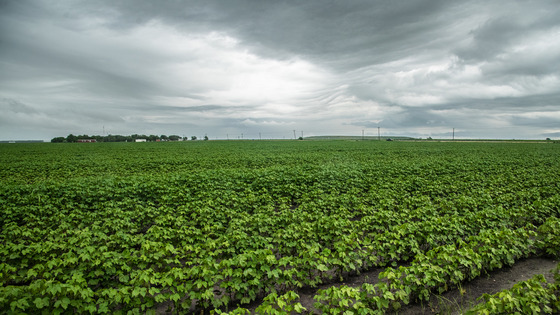
If you’re enrolled in the Agriculture Risk Coverage (ARC) or Price Loss Coverage (PLC) programs, you must protect all cropland and noncropland acres on the farm from wind and water erosion and noxious weeds. By signing ARC county or individual contracts and PLC contracts, you agree to effectively control noxious weeds on the farm according to sound agricultural practices. If you fail to take necessary actions to correct a maintenance problem on your farm that is enrolled in ARC or PLC, the County Committee may elect to terminate your contract for the program year.
|
The U.S. Department of Agriculture (USDA) welcomes school gardens, community gardens, urban farms, and small-scale agriculture projects in rural, suburban and urban areas to be recognized as a “People’s Garden.” People’s Gardens grow fresh, healthy food and support resilient, local food systems; teach people how to garden using conservation practices; nurture habitat for pollinators and wildlife and create greenspace for neighbors.
To be part of the initiatives, gardens should be registered on the USDA website and meet criteria including benefitting the community, working collaboratively, incorporating conservation practices and educating the public. Affiliate People’s Garden locations will be indicated on a map on the USDA website, featured in USDA communications, and provided with a People’s Garden sign. New gardens will join the People’s Garden at USDA headquarters in Washington, D.C. and 17 other flagship gardens established in 2022.
USDA originally launched the People’s Garden Initiative in 2009. It’s named for the “People’s Department,” former President Abraham Lincoln’s nickname for USDA, which was established during his presidency in 1862.
To learn more about People’s Garden or to register one, visit the People’s Garden webpage at usda.gov/Peoples-Garden.
The People’s Garden Initiative is part of USDA’s broader efforts to advance equity, support local and regional food systems and access to food, and encourage use of conservation and climate-smart practices.
|