|
The March 15th deadline for farmers to make their ARC/PLC decisions for the 2022 crop year is fast approaching. In an effort to provide growers with the most up to date information needed to make this important decision, CSU Extension and the USDA Farm Service Agency have teamed up to conduct a Farm Bill Decisions webinar.
The webinar will be held Monday, February 7th from 6:00pm to 8:00pm. Topics to be addressed are: the mechanics of ARC/PLC and the limitations of ARC-IC for fruit and vegetable producers, and the payment outlook in 2022 for ARC-CO/PLC for the major program crops in Colorado.
The webinar is free but you must preregister at this web link https://zoom.us/webinar/register/WN_RoT3TSqsSAalDxHXmYDhzg
For more information or to get a copy of the registration link, contact Brent Young at brent.young@colostate.edu or 970-580-2204.
|
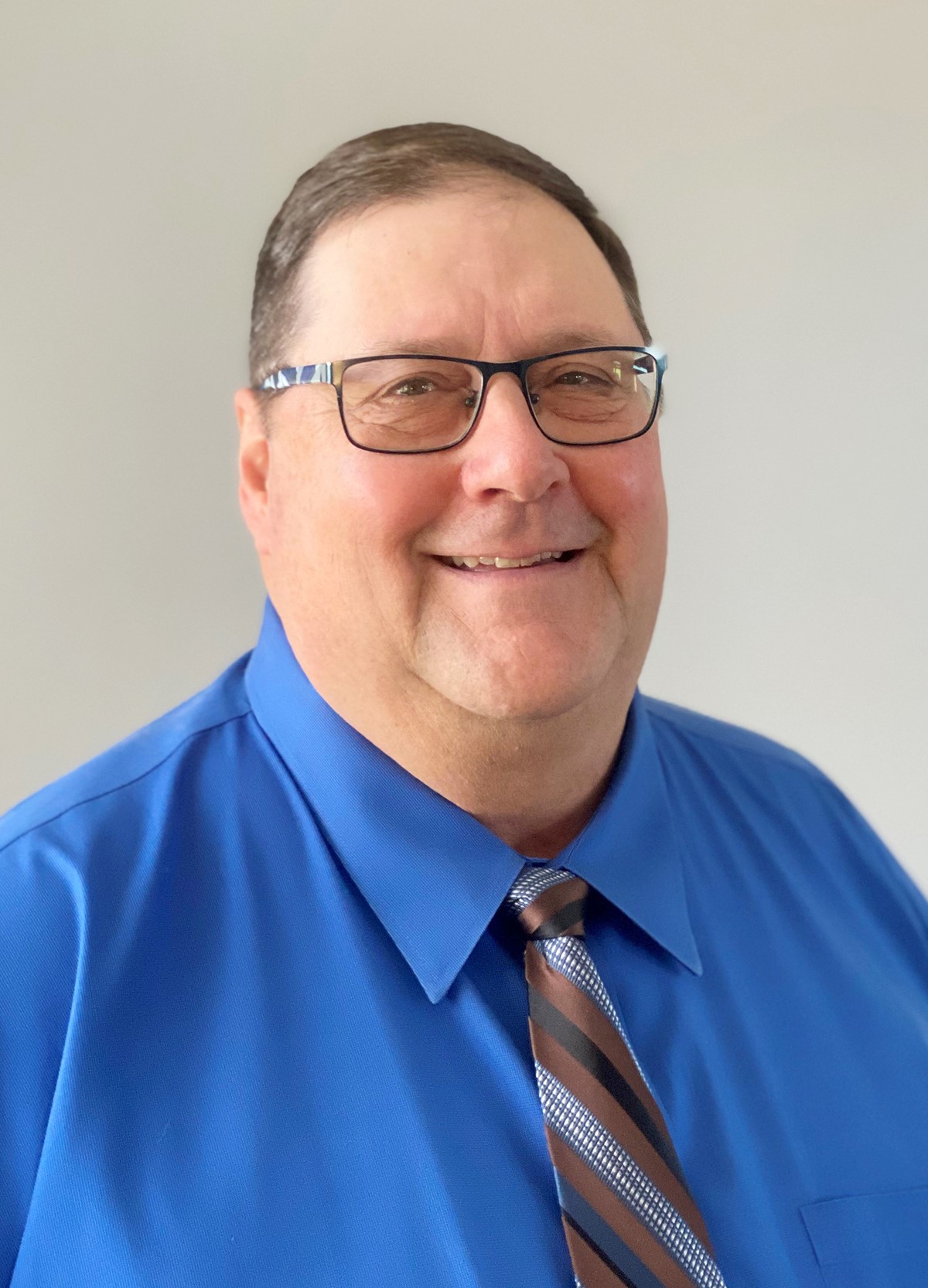
Kent Peppler was appointed by the Biden Administration to serve as the State Executive
Director of the USDA Farm Service Agency (FSA) in Colorado in November 2021.
Peppler is a fourth-generation farmer from Mead, Colorado. He previously served as a
member of the Colorado FSA State Committee from 1995 to 2000 and served briefly as
the FSA Assistant State Executive Director and Acting State Executive Director.
Peppler holds an Associate of Arts degree from Northeastern Junior College and a
Bachelor of Arts in agriculture education from Colorado State University.
After graduation, he started Peppler Farms, LLC, comprised of 500 acres of corn, wheat,
alfalfa hay, and barley. He also raises sugar beets, sunflowers, fed cattle, sheep and
hogs. His family’s agricultural history dates back multiple generations in northern
Colorado. His mother’s family farm was honored in 2017 as a Centennial Farm & Ranch
by History Colorado for their perseverance and resilience through the changing times.
History Colorado recognizes farms or ranches that have remained in the same family
continuously for 100 years or more.
Peppler was a trade advisor on the USDA Sweeteners Agriculture Trade Advisory
Committee (ATAC) and served as president of the Colorado Young Farmers Educational
Association and the Rocky Mountain Farmers Union. He also served on the board of
directors for the Longmont Co-op, the Highland Ditch Company, and the Highland Lake
Lateral Ditch Company.
Peppler and his wife Colleen, a retired educator, currently reside in Mead, Colorado, and have two grown children, Ashley and Tyson. Ashley is an estate planning attorney in Des Moines, Iowa, and Tyson works as a financial analyst for Denver Health. In addition to his full time job, Tyson also helps his family manage their farming operation. Peppler and his wife attend Mead United Methodist Church where his family has attended for four generations.
In addition to his interest in agriculture and foreign policy, Peppler enjoys fishing and
following Colorado State University football.
 A message from Mr. Peppler:
Greetings,
My name is Kent Peppler, I was appointed as the State Executive Director (SED) for Colorado at the end of November. I'm excited for the opportunity to meet with producers, stakeholders, and other interested parties during my tenure as SED.
My background is in agriculture; my family has farmed in the Mead area for four generations. It has been my pleasure and life's work to carry on this farming tradition for the last forty-two years.
I have been wholly impressed with the quality of our Colorado Farm Service Agency (CO FSA) employee's and the service they have provided to our producers. These are trying times and the FSA family should be complimented for stepping up.
FSA programs are absolutely vital to the economic and social wellness of rural America. It is my goal to improve CO FSA, as Colorado producers and FSA employees are my number one priority.
I have spent a lifetime helping to develop farm and food policy, and I am looking forward to working with all of you to implement policy, make rural Colorado a better place to live, and make CO FSA the best place to work.
Best,
Kent
Severe weather events create significant challenges and often result in catastrophic loss for agricultural producers. Despite every attempt to mitigate risk, your operation may suffer losses. USDA offers several programs to help with recovery.
Risk Management
For producers who have risk protection through Federal Crop Insurance or the Noninsured Crop Disaster Assistance Program (NAP), we want to remind you to report crop damage to your crop insurance agent or the local Farm Service Agency (FSA) office.
If you have crop insurance, contact your agency within 72 hours of discovering damage and be sure to follow up in writing within 15 days. If you have NAP coverage, file a Notice of Loss (also called Form CCC-576) within 15 days of loss becoming apparent, except for hand-harvested crops, which should be reported within 72 hours.
Disaster Assistance
USDA also offers disaster assistance programs, which is especially important to livestock, fruit and vegetable, specialty and perennial crop producers who have fewer risk management options.
First, the Livestock Indemnity Program (LIP) and Emergency Assistance for Livestock, Honeybee and Farm-raised Fish Program (ELAP) reimburses producers for a portion of the value of livestock, poultry and other animals that died as a result of a qualifying natural disaster event or for loss of grazing acres, feed and forage. And, the Livestock Forage Disaster Program (LFP) provides assistance to producers of grazed forage crop acres that have suffered crop loss due to a qualifying drought. Livestock producers suffering the impacts of drought can also request Emergency Haying and Grazing on Conservation Reserve Program (CRP) acres.
Next, the Tree Assistance Program (TAP) provides cost share assistance to rehabilitate and replant tree, vines or shrubs loss experienced by orchards and nurseries. This complements NAP or crop insurance coverage, which cover the crop but not the plants or trees in all cases.
For LIP and ELAP, you will need to file a Notice of Loss for livestock and grazing or feed losses within 30 days and honeybee losses within 15 days. For TAP, you will need to file a program application within 90 days.
Documentation
It’s critical to keep accurate records to document all losses following this devastating cold weather event. Livestock producers are advised to document beginning livestock numbers by taking time and date-stamped video or pictures prior to after the loss.
Other common documentation options include:
- Purchase records
- Production records
- Vaccination records
- Bank or other loan documents
- Third-party certification
Other Programs
The Emergency Conservation Program and Emergency Forest Restoration Program can assist landowners and forest stewards with financial and technical assistance to restore damaged farmland or forests.
Additionally, FSA offers a variety of loans available including emergency loans that are triggered by disaster declarations and operating loans that can assist producers with credit needs. You can use these loans to replace essential property, purchase inputs like livestock, equipment, feed and seed, or refinance farm-related debts, and other needs.
Meanwhile, USDA’s Natural Resources Conservation Service (NRCS) provides financial resources through its Environmental Quality Incentives Program to help with immediate needs and long-term support to help recover from natural disasters and conserve water resources. Assistance may also be available for emergency animal mortality disposal from natural disasters and other causes.
Additional Resources
Additional details – including payment calculations – can be found on our NAP, ELAP, LIP, and TAP fact sheets. On farmers.gov, the Disaster Assistance Discovery Tool, Disaster-at-a-Glance fact sheet, and Farm Loan Discovery Tool can help you determine program or loan options.
While we never want to have to implement disaster programs, we are here to help. To file a Notice of Loss or to ask questions about available programs, contact your local USDA Service Center. All USDA Service Centers are open for business, including those that restrict in-person visits or require appointments because of the pandemic.
To Expedite Future Assistance, Gather and Submit Loss Records Now for Livestock Forage Disaster Program
The U.S. Department of Agriculture (USDA) reminds ranchers and livestock producers that they may be eligible for financial assistance through the Livestock Forage Disaster Program (LFP) for 2021 grazing losses due to a qualifying drought or fire. The deadline to apply for 2021 LFP assistance is Jan. 31, 2022.
For the 2021 program year, multiple counties in Colorado have met drought severity levels that trigger LFP eligibility. More than $473.1 million has been paid, to date, to eligible livestock producers in 26 states and territories for 2021 LFP. For LFP, qualifying drought triggers are determined using the U.S. Drought Monitor. Visit the FSA LFP webpage for a list of eligible counties and grazing crops.
LFP provides payments to eligible livestock producers and contract growers who also produce forage crops for grazing and suffered losses due to a qualifying drought or fire during the normal grazing period for the county. Eligible livestock include alpacas, beef cattle, buffalo/bison, beefalo, dairy cattle, deer, elk, emus, equine, goats, llamas, reindeer or sheep that have been or would have been grazing the eligible grazing land or pastureland during the normal grazing period.
To expedite the application process, producers are encouraged to gather and submit records documenting 2021 losses. Supporting documents may include information related to grazing leases, contract grower agreements, and more.
More Information
LFP is part of a broader suite of disaster assistance available through USDA.
The Emergency Assistance for Livestock, Honeybees, and Farm-Raised Fish Program (ELAP), which also has a Jan. 31, 2022, deadline, provides eligible producers with compensation for certain feed losses not covered by LFP as well as assistance with transporting water to livestock and feed transportation expenses.
Additional disaster assistance information can be found on farmers.gov, including the Farmers.gov Drought Webpage, Disaster Assistance Discovery Tool, Disaster-at-a-Glance fact sheet, and Farm Loan Discovery Tool.
For FSA and Natural Resources Conservation Service programs, including LFP and ELAP, producers should contact their local USDA Service Center. Service Center staff continue to work with agricultural producers via phone, email, and other digital tools. Due to the pandemic, some USDA Service Centers are open to limited visitors. For assistance with a crop insurance claim, producers and landowners should contact their crop insurance agent.
The U.S. Department of Agriculture's (USDA) Natural Resources Conservation Service (NRCS) is announcing a new streamlined Environmental Quality Incentives Program (EQIP) Cover Crop Initiative (CCI) in 11 states including Colorado. Colorado farmers are highly encouraged to contact their local NRCS field office immediately if they wish to participate.
"Producers can apply right now for EQIP-CCI funding. Those who have fully established eligibility records with the Farm Service Agency (FSA) have the potential to know if their project will be funded before leaving the UDSA service center," said Tim Macklin, Acting NRCS State Conservationist in Colorado. "Interested farmers should act immediately; waiting until the final application cutoff date of Friday, February 4, 2022 will risk waiting until future funding opportunities."
Nationally, NRCS is investing $38 million in 11 states through the Cover Crop Initiative. It is aimed at helping agricultural producers mitigate climate change through the widespread adoption of cover crops. "Colorado was selected for this Pilot based on our demonstrated demand by our agricultural producers for additional support for the cover crop practices," Macklin goes on to say.
Contracts awarded under the CCI Pilot will be solely for the implementation of cover crops on cropland (CP#340). Ag producers interested in additional conservation measures and practices should contact the local NRCS field office about planning conservation projects.
If you are interested in applying to implement cover crops through the CCI Pilot, please be prepared to provide information about your anticipated crop rotation, any soil testing, and other relevant resource information like a nutrient management plan, soil health assessment, and pest management plan, including a chemical list for crop fields you wish to enroll. This will help to facilitate planning your project. You will also want to ensure that you have worked with the Farm Service Agency (FSA) to update all your agricultural producer records for fiscal year 2022.
All EQIP eligibility, programmatic rules, and policies apply as CCI aims to help improve air quality, increase crop diversity, decrease soil erosion, build, or improve soil organic matter, and much more. ‘Producers who participate in RMA crop insurance should work with their crop insurance agent to ensure the planned cover crop and termination methods meets RMA criteria.’
EQIP Cover Crop Initiative
The initiative is aimed at improving soil health through a targeted, rapid, and streamlined application and contract approval process. NRCS will continue to build on this framework and streamlined application process to support farmers and ranchers across the country.
The Benefits
Cover crops offer agricultural producers a natural and inexpensive climate solution through their ability to sequester atmospheric carbon dioxide into soils. They can provide an accelerated, positive impact on natural resource concerns focused on improving soil health and tie up nutrients so they aren’t leached or washed away. Cover crops can also increase soil organic matter which enhances water holding capacity and makes the farming operations more resilient all while making conservation compliance easier.
Nationally, in fiscal 2021, NRCS provided technical and financial assistance to help producers plant 2.3 million acres of cover crops through EQIP.
How to Apply
NRCS accepts applications for conservation programs – including EQIP and CSP – year-round, however interested producers and landowners should contact their local NRCS field office TODAY, but no later than February 4, 2022 to be considered for CCI funding.
Feb. 4 is the deadline for agricultural producers who are certified organic, or transitioning to organic, to apply for the Organic and Transitional Education and Certification Program (OTECP). Signup for OTECP, administered by USDA’s Farm Service Agency (FSA), began Nov. 8.
Certified operations and transitional operations may apply for OTECP for eligible expenses paid during the 2020 and 2021 fiscal years during this signup period. Signup for the 2022 fiscal year will be announced at a later date.
For each year, OTECP covers 25% of a certified operation’s eligible certification expenses, up to $250 per certification category (crop, livestock, wild crop, handling and State Organic Program fee). This includes application fees, inspection fees, USDA organic certification costs, state organic program fees and more.
Crop and livestock operations transitioning to organic production may be eligible for 75% of a transitional operation’s eligible expenses, up to $750, for each year. This includes fees charged by a certifying agent or consultant for pre-certification inspections and development of an organic system plan.
For both certified operations and transitional operations, OTECP covers 75% of the registration fees, up to $200, per year, for educational events that include content related to organic production and handling in order to assist operations in increasing their knowledge of production and marketing practices that can improve their operations, increase resilience and expand available marketing opportunities. Additionally, both certified and transitional operations may be eligible for 75% of the expense of soil testing required under the National Organic Program (NOP) to document micronutrient deficiency, not to exceed $100 per year.
Producers apply through their local FSA office and can also obtain one-on-one support with applications by calling 877-508-8364. The program application and additional information can be found at farmers.gov/otecp.
Additional Organic Support
OTECP builds upon USDA’s Organic Certification Cost Share Program (OCCSP) which provides cost share assistance of 50%, up to a maximum of $500 per scope, to producers and handlers of agricultural products who are obtaining or renewing their certification under the NOP. Although the application period for OCCSP ended Nov. 1, 2021, FSA will consider late-filed applications for those operations who still wish to apply.
Meanwhile, USDA’s Risk Management Agency (RMA) recently made improvements to Whole-Farm Revenue Protection to make it more flexible and accessible to organic producers.
To learn more about USDA’s broader assistance for organic producers, visit usda.gov/organic.
The Farm Service Agency (FSA) has several loan programs to help you start or continue an agriculture production. Farm ownership and operating loans are available.
While all qualified producers are eligible to apply for these loan programs, FSA has provided priority funding for members of targeted underserved applicants.
A targeted underserved applicant is one of a group whose members have been subjected to racial, ethnic or gender prejudice because of his or her identity as members of the group without regard to his or her individual qualities.
For purposes of this program, targeted underserved groups are women, African Americans, American Indians, Alaskan Natives, Hispanics, Asian Americans and Pacific Islanders.
FSA loans are only available to applicants who meet all the eligibility requirements and are unable to obtain the needed credit elsewhere.
Farmers and ranchers working with USDA’s Farm Service Agency or Natural Resources Conservation Service can now sign and share documents online in just a few clicks. By using Box or OneSpan, producers can digitally complete business transactions without leaving their homes or agricultural operations. Both services are free, secure, and available for multiple FSA and NRCS programs.
Box is a secure, cloud-based site where FSA or NRCS documents can be managed and shared. Producers who choose to use Box can create a username and password to access their secure Box account, where documents can be downloaded, printed, manually signed, scanned, uploaded, and shared digitally with Service Center staff. This service is available to any FSA or NRCS customer with access to a mobile device or computer with printer connectivity.
OneSpan is a secure eSignature solution for FSA and NRCS customers. Like Box, no software downloads or eAuthentication is required for OneSpan. Instead, producers interested in eSignature through OneSpan can confirm their identity through two-factor authentication using a verification code sent to their mobile device or a personalized question and answer. Once identity is confirmed, documents can be reviewed and e-signed through OneSpan via the producer’s personal email address. Signed documents immediately become available to the appropriate Service Center staff.
Box and OneSpan are both optional services for customers interested in improved efficiency in signing and sharing documents with USDA, and they do not replace existing systems using eAuthentication for digital signature. Instead, these tools provide additional digital options for producers to use when conducting business with FSA or NRCS.
USDA Service Center staff are available to help producers get started with Box and OneSpan through a few simple steps. Please visit farmers.gov/service-locator to find your local office and let Service Center staff know you’re interested in signing and sharing documents through these new features. In most cases, one quick phone call will be all that is needed to initiate the process.
Visit farmers.gov/mydocs to learn more about Box and OneSpan, steps for getting started, and additional resources for conducting business with USDA online.
To learn more about program flexibilities and Service Center status during the coronavirus pandemic, visit farmers.gov/coronavirus.
|