|
|
Atchison & Holt County, MO USDA Service Center Updates - July 7, 2021
|
|
|
|
Farm Service Agency | Natural Resources Conservation Service | Risk Management Agency
|

Hello Atchison and Holt County! We finally received some rain at the end of June, but unfortunately it came a little heavy in spots. Both counties had some minor to moderate flooding with Holt taking the brunt of the storm with up to 14 inches of rain over a couple of days. Needless to say – we didn’t quite need that.
FSA’s acreage reporting deadline is July 15th. It is important to note that most FSA programs require a timely and accurate acreage report to be eligible. This includes all acres designated as cropland – annual grain and forage crops, CRP, hay, and pasture. If you have not completed your acreage report for 202,1 please contact the office as soon as possible to set up an appointment.
The 56th General CRP signup continues through July 23, 2021. Rates have increased and are based on the predominant existing soils on the tract of land being offered. If you would like to make an offer or see what your rental rate would be, please contact the office prior to July 23.
The Farm Service Agency is unique in that it has a farmer-elected County Committee system. County Committees are made up of farmers and ranchers elected by other producers in their communities to guide the delivery of farm programs at the local level. Committee members play a critical role in the day-to-day operations of FSA. Committees meet once a month, or as needed, to make important decisions on disaster and conservation programs, emergency programs, commodity price support loan programs, county office employment, and other agricultural issues. Members serve three-year terms. This year, nominations are being accepted for the following areas in each county:
Atchison – Local Administrative Area #3, which consists of the townships of Colfax, Dale, Lincoln, and Tarkio.
Holt – Local Administrative Area #1, which consists of the townships of Clay, Liberty, Lincoln, and Union.
If you know someone who would be a good County Committee member, the nomination period is now through August 1. The nominee must reside in one of the above-mentioned townships and participate in at least one FSA program.
Have a great rest of the summer everyone!
Corey Lesher, CED
|
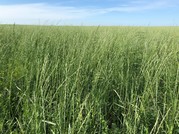
May 1-July 15 is designated as the primary nesting season for many Missouri birds and animals. Absolutely no disturbance is to take place on CRP during that time without prior request and approval. Once we are past this timeframe, regular maintenance or managed haying or grazing can resume.
Up to ½ of each CRP field on a given contract can be brush cut to control trees and weeds from July 16-Setember 1 without any prior request needed. Height should be no less than 6 inches and mowing more than once per year for cosmetic purposes is prohibited.
Remember that CRP is to be keep free of trees during the life of the contract and should be capable of being farmed in a normal workmanship like manner. When a contract is set to expire and the contract holder request to re-offer the acreage, a field visit will be made (prior to approval) to ensure the acreage is acceptable. If the area to be enrolled is not capable of being farmed, that area will not be eligible for CRP, unless certain practice provisions apply to an already existing/expiring tree practice. There will be minimal exceptions at the time the offer is made so please be proactive while managing your existing contracts.
CRP is eligible to start managed haying or grazing on July 16. Managed haying and grazing will be available as normal. The cost will be 25% of the rental rate per acre. This can be taken out of the annual payment or paid at the time of haying. There are some new haying and grazing rules under the 2018 Farm Bill.
Remember, if you are planning to hay or graze CRP acres, the owner of the contract must sign paperwork to release it BEFORE any activity starts. Call or come by the office if you are interested in utilizing your CRP acreage for hay or grazing to determine eligibility.
|
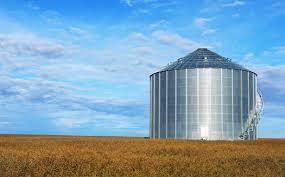
FSA offers a wide range of low-interest loans that can meet the financial needs of any farm operation for just about any purpose. The traditional farm operating and farm ownership loans can help large and small farm operations take advantage of early purchasing discounts for spring inputs as well expenses throughout the year.
Microloans are a simplified loan program that will provide up to $50,000 for both Farm Ownership and Operating Microloans to eligible applicants. These loans, targeted for smaller and non-traditional operations, can be used for operating expenses, starting a new operation, purchasing equipment, and other needs associated with a farming operation. Loans to beginning farmers and members of underserved groups are a priority.
Other types of loans available include:
Marketing Assistance Loans allow producers to use eligible commodities as loan collateral and obtain a 9-month loan while the crop is in storage. These loans provide cash flow to the producer and allow them to market the crop when prices may be more advantageous.
Farm Storage Facility Loans can be used to build permanent structures used to store eligible commodities, for storage and handling trucks, or portable or permanent handling equipment. A variety of structures are eligible under this loan, including bunker silos, grain bins, hay storage structures, and refrigerated structures for vegetables and fruit. A producer may borrow up to $500,000 per loan.
|

In the minds of many, a freshly tilled field is picturesque – cleaned and ordered for the next planting. But we’ve learned from studying soil that heavy tillage isn’t good. When soil is heavily tilled, the stalks and leaves remaining from the previous crop are chopped, disturbing the top several inches of soil. This “fluffing” action allows for better seed placement according to some, but soil scientists say not tilling leads to healthier, more drought-resistant soil. https://www.nrcs.usda.gov/wps/portal/nrcs/site/national/home/
USDA’s Natural Resources Conservation Service and other groups recommend producers to not till and leave the stalks and leaves, called residue, in place. By not tilling, soil organic matter is enhanced, increasing water infiltration and reducing erosion. No-till is a conservation practice that leaves the crop residue undisturbed from harvest.
Any tillage causes a flush of organic matter decomposition, resulting in loss of soil carbon. Tillage also breaks up soil aggregates, which are important for water infiltration, providing oxygen to plant roots, and reducing erosion.
Healthy soils cycle water and nutrients more efficiently. And they function better, enabling them to buffer against extreme drought and flooding. Plus, they reduce soil loss into waterways, which can cause problems for water quality.
Good management of field residue can increase efficiency of irrigation and control erosion. No-till can be used for many crops in almost any soil and can save producers labor costs and fuel. It’s a sound investment for the environment and the farm.
For more information, contact your Atchison and Holt County NRCS or visit nrcs.usda.gov
|
Rule Change Helps Producers Implement More Conservation Activities
USDA released the final rule for its Conservation Stewardship Program (CSP). CSP provides many benefits, including increased crop yields, decreased inputs, wildlife habitat improvements, and increased resilience to adverse weather. CSP is for working lands, including cropland, pastureland, rangeland, nonindustrial private forest land, and agricultural land under Indian tribe jurisdiction.
Based on feedback from 600 comments on the interim rule, NRCS made the following changes in the final rule include:
- Added emphasis to enhancing soil health as a way that program participants can achieve program goals.
- Allowed for more than one contract renewal but extend the two-year program ineligibility period to include those who apply for renewal and are not selected.
- Increased payment rates for adoption of cover crop rotations.
- Introduced a new supplemental payment for advanced grazing management.
- Created a one-time payment for developing a comprehensive conservation plan.
- Provided specific support for organic and transitioning to organic production activities.
NRCS state offices announce sign-up periods for CSP. Additionally, existing CSP participants may have an opportunity to renew their contracts in the first half of the fifth year of their five-year contract. For more information on how to sign up for CSP in your state, visit your state website from nrcs.usda.gov, or contact your local NRCS field office.
|
|
|
|
|
USDA Service Center
Atchison County - 302 E. Hwy 136, Rock Port, MO 64482
Holt County - 118 W. Davis St, Mound City, MO 64470
Phone Atchison: 660-744-5328 Phone Holt: 660-442-3134
Fax Atchison: 855-861-0827 Holt Fax: 855-846-9251
|
Atchison County
FSA
Corey Lesher - County Executive Director corey.lesher@usda.gov
|
Holt County
FSA
Corey Lesher - County Executive Director corey.lesher@usda.gov
|
|
Program Technicians
Pamela Husing
Jessica Lambertsen
Allyson Ploen
Gale Ball - Temp
Allyson Demott - Temp
|
Program Technicians
Carrie Noland
Andrea Gutierrez
Jessie Smock - Temp
|
Matt Strueby - Farm Loan Manager
matt.strueby@usda.gov
660-582-7423 |
Matt Strueby - Farm Loan Manager
matt.strueby@usda.gov
660-582-7423 |
|
NRCS
Chris Rader - District Conservationist
Travis Kent - Soil Conservationist
Neil Million - Soil Conservation Tech
SWCD
Stacie Barbee - District Specialist IV
Mary Kahn - District Specialist III
Jessica Shefferd - District Specialist III
|
NRCS
Chris Rader - District Conservationist
Seth Spire - Resource Conservationist
Jessica Livengood - Soil Conservation Tech
Rick Douglas - ACES
SWCD
Tracy Shewey - District Manager
Missouri Department of Conservation
Jim Pierson - Private Land Conservationist
|
|
|