
Research Update: Rethinking Land-Cover Options at Airports to Reduce Wildlife Strikes
USDA Animal and Plant Health Inspection Service sent this bulletin at 03/11/2014 11:30 AM EDT
Having trouble viewing this email? View it as a Web page.
Posted by Gail Keirn, APHIS Legislative and Public Affairs (970-266-6007)
Rethinking Land-Cover Options at Airports to Reduce Wildlife Strikes
USDA researchers estimate that airport properties in the contiguous United States contain approximately 1,276 square miles of undeveloped grasslands─an area larger than the state of Rhode Island. “Mowing the lawn” is just one of the tasks airport managers and biologists tackle as they work to prevent wildlife strikes by keeping birds and other animals away from runways and aircraft. But what if this “lawn” could be converted to an alternative land cover that not only limits wildlife hazards, but also serves as a source of revenue for airports?
Researchers at USDA-APHIS’ National Wildlife Research Center (NWRC), Mississippi State University, and their partners at the Department of Defense are exploring this question as part of a 4-year study funded by the Environmental Security Technology Certification Program. In 2014, NWRC scientist Dr. Travis DeVault and colleagues will work with six military air bases in the eastern United States to compare bird and mammal communities on switchgrass fields to those found on traditional turf-grass fields.
Switchgrass is a native, perennial warm-season grass with high potential as a biofuel and domestic animal forage crop. It grows well over most of the eastern United States and can thrive on poor soils. Compared to turf grasses that are typically grown around airports, switchgrass only needs to be mowed (harvested) once or twice per year, which can lead to considerable cost savings to land managers.
“Preliminary studies examining experimental switchgrass plots in Mississippi showed this land cover does not attract the same type of wildlife species as turf grasses,” notes DeVault. “Converting some turf-grass areas around airports and airfields to switchgrass may actually help to reduce wildlife hazards in those areas.”
The study will follow the planting, growth, and maturation of six, 20-acre switchgrass plots and evaluate their associated wildlife communities. Researchers hope to demonstrate that switchgrass is a safer and more cost-effective land-cover alternative than turf grass or traditional agricultural fields for use on military airfields.
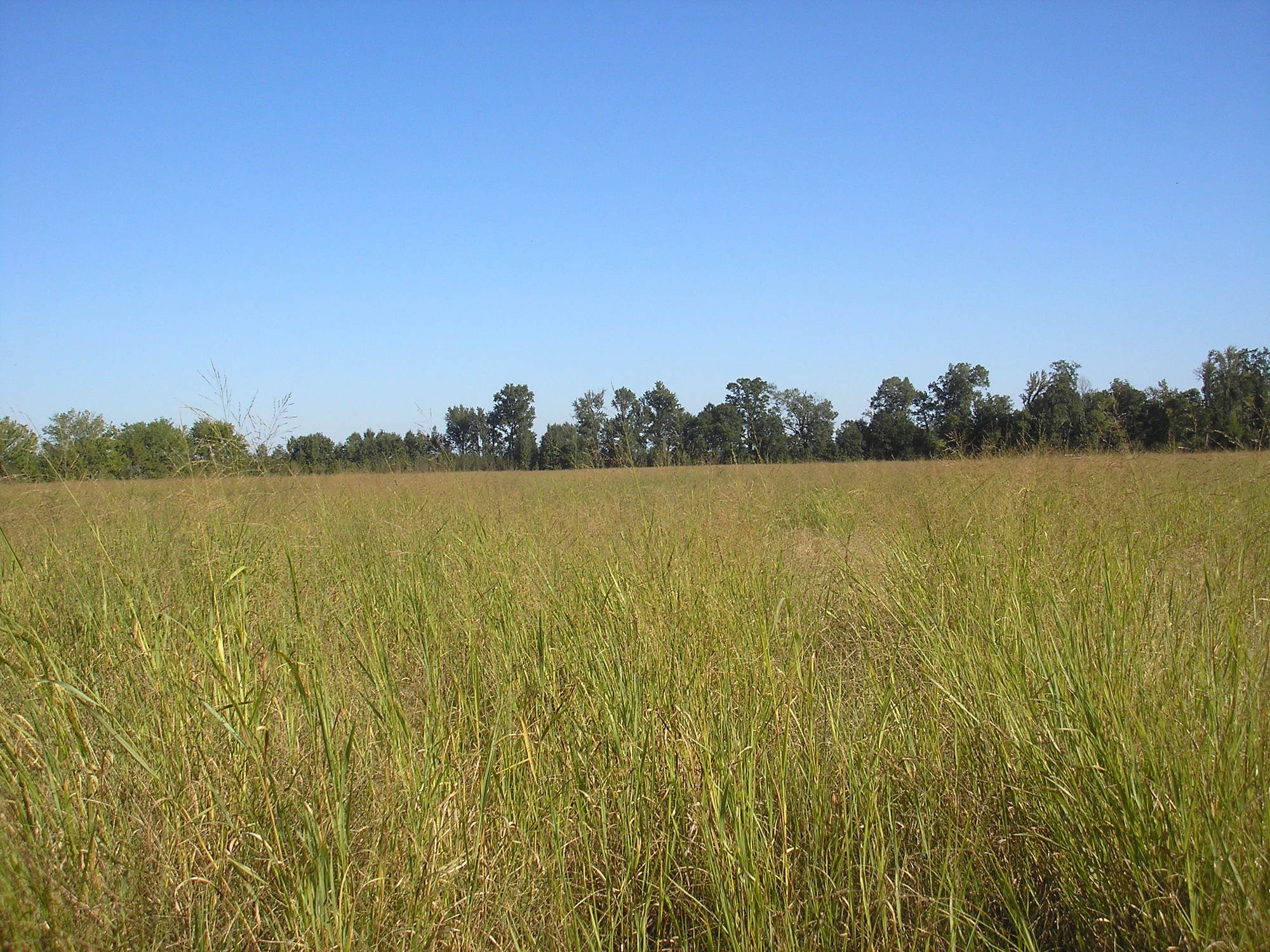
USDA researchers and military collaborators are investigating whether switchgrass, a biofuel and forage crop, may be suitable for use on and near military airfields. The goal is to identify alternatives to turf grass that may help to reduce the presence of wildlife, such as Canada geese, that are hazardous to aircraft. Photo by Tara Conkling, Mississippi State University
 |
Questions about APHIS programs and services? Contact Us |
| STAY CONNECTED: | ||||||||
 |
 |

|
 |
 |
 |
 |
||
SUBSCRIBER SERVICES:
Manage Preferences | Unsubscribe | Help |