Senior Companions Support America’s Family Caregivers
As we age, the presence of family becomes more and more important. The knowledge that you have someone to look out for your well-being is reassuring and comforting.
November is National Family Caregivers Month, and we join the President in recognizing the contributions caregivers make as spouses become home healthcare workers, children take on new roles in support of their parents, or grandparents step up to help their grandchildren.
Many of us know this transition is not an easy one from personal experiences or know someone facing this challenge. Additional caretaking duties become even more stressful when combined with the responsibilities of daily life. Some seniors find themselves under duress when family help is not located nearby or they feel they could stay in their own homes longer if they only had a little assistance.
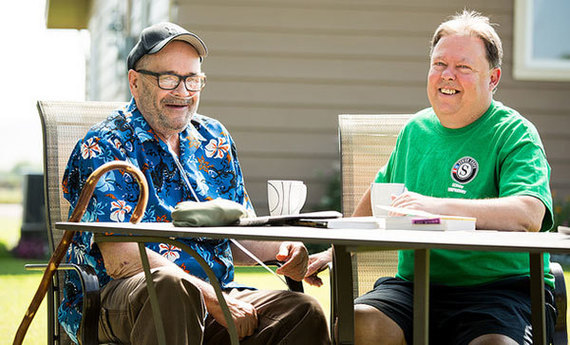
Since 1974, our Senior Companions have been offering assistance and friendship to adults and their family caregivers to help them complete daily living tasks such as driving to doctors appointments, shopping for groceries, or paying their bills. These Senior Corps volunteers also provide crucial respite services for caregivers, to give them time to recharge or take care of any household responsibilities they may have as well. (You can watch a short video about the program here.)
The impact these volunteers make on the communities they serve is extraordinary. Our CNCS Research and Evaluation team has studied the health benefits Senior Companion service has on caregivers -- here are a few of the findings:
- Nearly 76% of caregivers in the critical-needs group reported Senior Companion respite services helped them “a lot” with both “personal time” and “household management.”
- Approximately 60% of caregivers with critical needs reported that Senior Companion services helped them ”a lot” or a ”great deal” and allowed them to be more involved in social activities and enjoy time with their friends or relatives.
- Most caregivers (92% critical needs, 86% with essential needs, and 93% with moderate needs) reported they were satisfied with the respite services received from the Senior Companion program.
- Approximately 40% of caregivers who rated their health as fair or poor before respite support, now rate their health as good.
Not only do caregivers benefit but our research has found that nearly half of Senior Corps volunteers in Senior Companions, RSVP, and Foster Grandparents report improved health and well-being after just one year of service.
Demographic shifts in the U.S. population will raise the importance of caregiver support and resources as more Baby Boomers reach retirement age during the next decade. We believe Senior Companions can be a crucial component to address this challenge, just as they have been for the last 44 years.
In service,
Mike Cys
Director, Office of External Affairs
|