|
Having trouble viewing this email? View it as a Web page.
|
|
Hey! Here are Some National Service Facts to Think About
Some people don't know that the Corporation for National and Community Service (CNCS) leads 80,000 AmeriCorps members and 245,000 Senior Corps volunteers along with other service programs and initiatives -- but they should.
To feel better, we gave ourselves a little pep talk and thought about how national service makes a difference for millions across the nation. Here are five research-based examples...
-
An independent evaluation of Reading Partners, an AmeriCorps and Social Innovation Fund grantee, found that the program: more effectively raised students’ reading proficiency than other similar reading programs in the same schools that were studied; and had a positive and statistically significant impact on students’ reading comprehension, reading fluency, and sight word efficiency.
-
A third-party study of City Year's Whole School, Whole Child model found schools with teams of City Year AmeriCorps members were two to three times more likely to increase English Language Arts (ELA) and math proficiency rates compared with similar schools that did not partner with City Year. Schools that partnered with City Year also gained the equivalent of approximately one month of additional learning in math and ELA.
-
A study of AmeriCorps member exit surveys found multiple benefits for national service alumni. Among the findings, 82% described AmeriCorps as a personally defining experience, and 9 out of 10 reported that AmeriCorps experience improved their ability to solve problems. Also, 8 out of 10 said AmeriCorps benefited their career path, 94% said national service broadened their understanding of society and different communities, and 94% are registered to vote.
- Our research and evaluation staff found that 48% of Senior Corps volunteers are younger than 65, and a national evaluation of RSVP volunteers revealed the average participant has served 8 years and gives 22 hours of their time to service each month. RSVP welcomes seniors age 55 and older, and many volunteers are still working while serving.
-
According to a Columbia University study, "For every $1 invested in national service, there are returns to society of $3.95 in terms of higher earnings, more output, and community-wide gains. For every $1 of taxpayer spending, there are returns to the taxpayer of $2.20 in terms of higher taxes on output produced and lower spending on government programs."
We have more facts in our Evidence Exchange and on the CNCS Impact Page.
In service,
CNCS Office of External Affairs
|
|
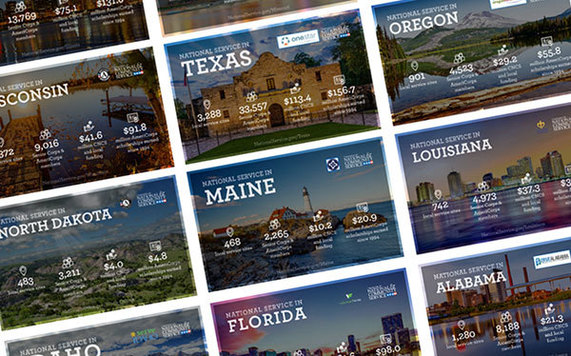
The Impact of National Service
|
The fifth-annual Mayor, County, and Tribal Recognition Day for National Service is just around the bend on April 4, 2017. In 2016, more than 3,500 state and local leaders representing more than 178 million Americans joined in this celebration of the impact AmeriCorps, Senior Corps, and the Social Innovation Fund make in their communities. And we're expecting more to join us this year. Be sure that the leaders where you live, serve and work spread the word about how national service is getting things done in your area.
|
|
 |
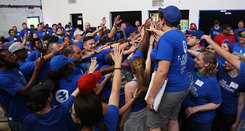
While it’s no question that the military and AmeriCorps are vastly different, there are a few notable common threads. Like the military, AmeriCorps provides young adults in their formative years a unique opportunity to shape their careers, experience camaraderie, grow personally, find their niche, and even find a sense of purpose. In this way, government programs like AmeriCorps are an important part of the service ecosystem in which we live.
|
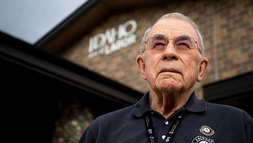
Herb Haggett has failed at retirement in the name of helping others. The 86-year-old Coeur d'Alene man and Korean War veteran's latest assignment in a long list of jobs that ranged from the health care field to the Internal Revenue Service to operating heavy equipment is the AmeriCorps member in the Idaho Department of Labor office in Post Falls. Haggett works with Robert Shoeman, local Labor veterans representative, to help find jobs for veterans.
|
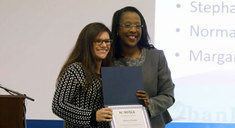
By developing savings (for things like emergency funds), creating realistic financial plans, reducing debt, and improving credit scores, Bank On participants are more prepared in the event of a disaster. Norfolk trained two AmeriCorps VISTAs, Pam Myers and Justin Burns, as Master Financial Education Volunteers and then embedded them in the Bank On program to serve as financial coaches alongside other volunteers.
While there are many coaches, the VISTAs bring something special to the program.
|
|
|