Hurricane Helene’s Impact on the Socially Vulnerable in North Carolina
America Counts: Stories Behind the Numbers
Hurricane Helene’s Impact on the Socially Vulnerable in North Carolina
About 577,000 people (20.2%) living in the 27 counties in North Carolina under a major disaster declaration after Hurricane Helene had high social vulnerability to disasters, according to the U.S. Census Bureau’s Community Resilience Estimates (CRE).
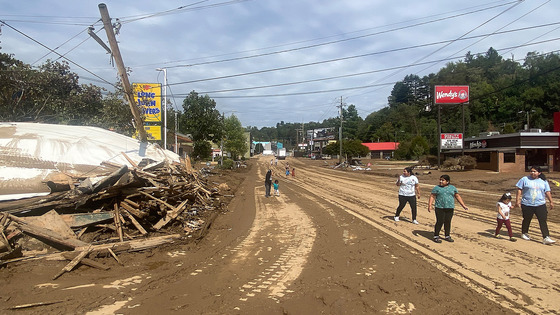
Those areas and one tribal area that also received a major disaster declaration suffered catastrophic flooding, power outages, property destruction and loss of life due to Helene, which reached Category 4 intensity on September 26. Thousands of homes were destroyed, many of which were not covered by flood insurance.
Rural areas were hit particularly hard: 10 of the 27 counties were predominantly rural (counties with 80% or more of the population living in a rural area in the 2020 Census).
The CRE measures social vulnerability to disasters based on 10 individual and household factors from poverty and education to age and broadband access. Populations with three or more of these components are considered at high social vulnerability.
The 2024 hurricane season officially began June 1 and was predicted to have an above-normal amount of hurricane activity. Explore Census Bureau data, maps and tools that can support emergency managers in disaster preparation and response.