|
Welcome to our January newsletter, containing all the latest environmental news and updates from across West Sussex.
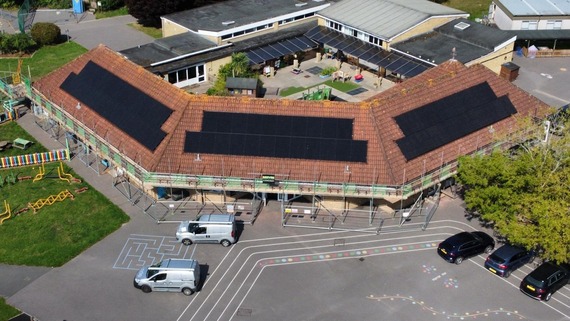 Trafalgar Infant School
We’re installing solar PV panels alongside battery energy storage at four West Sussex schools, helping them to reduce energy costs and contribute towards action on climate change.
The systems at Buckingham Park Primary School, Trafalgar Infant School, Shelley Primary School, and The Gattons Infant School are the first sites in our ongoing programme which will eventually cover more than 60 corporate sites.
The technology is now generating and storing zero carbon electricity that the schools purchase from us at an agreed price - lower than the cost of grid electricity.
The next batch of ten sites comprises a mix of schools, fire stations, and libraries. These have been surveyed and their systems designed. Pending final approvals, these will be installed in the next few months.
This programme aligns with the Buildings and Energy pathway of our Climate Action and Adaption plan.
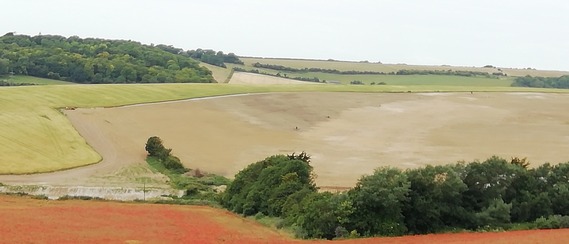 Work is underway to covert our former waste site at Halewick Lane, Sompting, into a state-of-the art battery energy storage site.
Large-scale battery storage facilities like this help to increase our ability to rely on renewable energy, by storing energy when it’s plentiful and making it available when renewable sources aren’t able to generate power.
This month our contractors, Enable Infrastructure, completed their site set up and have begun preparing the surface where the battery containers will be located. They’re also building a new access road to make construction safer and easier.
It’s hoped the project, which is a key part of our Energy Strategy, will be completed and connected to the grid later this year.
 Thursday 22 January 2026 is Clean Air Night, when we will be encouraging conversations about the health harms of air pollution from wood burning in West Sussex.
Wood burning is the most polluting way to heat your home, contributing to serious health conditions and cutting lives short. Even homes with newer “Ecodesign” wood burners are three times more polluted than those without.
Research also shows that if your house is connected to the energy grid, it is almost always more expensive to heat your home using a wood burner or open fire rather than central heating.
92% of people who burn wood already have another way to heat their home. Many people simply don't know the risks and are accidentally harming the air quality for their own families and neighbours. Clean Air Night is a chance to learn the facts and share them with friends to help protect our community.
If you do use a wood burner, even small changes make a big difference.
Defra recommend following these simple steps:
-
Burn Less: Consider using your central heating instead, especially on calm nights when smoke lingers.
-
Burn Better: Only use "Ready to Burn" certified kiln-dried logs. Wet wood creates far more toxic smoke.
-
Maintain: Ensure your chimney is swept regularly.
We're working with the Sussex Air partnership to help keep our air clean.
Visit Clean Burn from Sussex Air to find a simple guide on which fuels are safe to buy and to check if you live in a Smoke Control Area. While you are there, you can also sign up for free text or email alerts ‘Extreme weather and air quality alerts’ to know when air pollution levels are high near you.
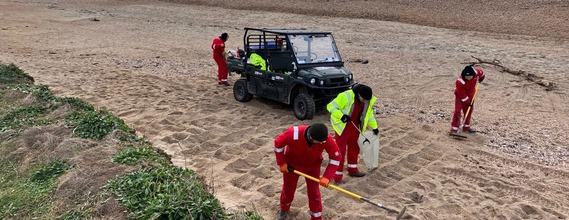 Image: Ambipar
A major clean-up of waste from cargo ships that has washed up on West Sussex shoreline has been ongoing for more than a month.
Several containers fell from the Baltic Klipper while it was in the Solent in early December, many of which and their contents ended up around Selsey, Pagham, Bognor Regis and beyond.
Further containers have also washed ashore at Elmer near Bognor Regis, and Selsey after multiple shipping containers fell overboard from other vessels operating offshore last week, following the recent severe weather.
We’ve been working with partners to lead the co-ordination of the operation to help protect and reduce the impact on the environment and keep the public safe.
This complex and protracted work covering 60km of coastline is involving numerous teams and personnel and is expected to continue for some time to come.
All agencies involved would like to extend their thanks to everyone in the local communities who has volunteered to support the clean-up.
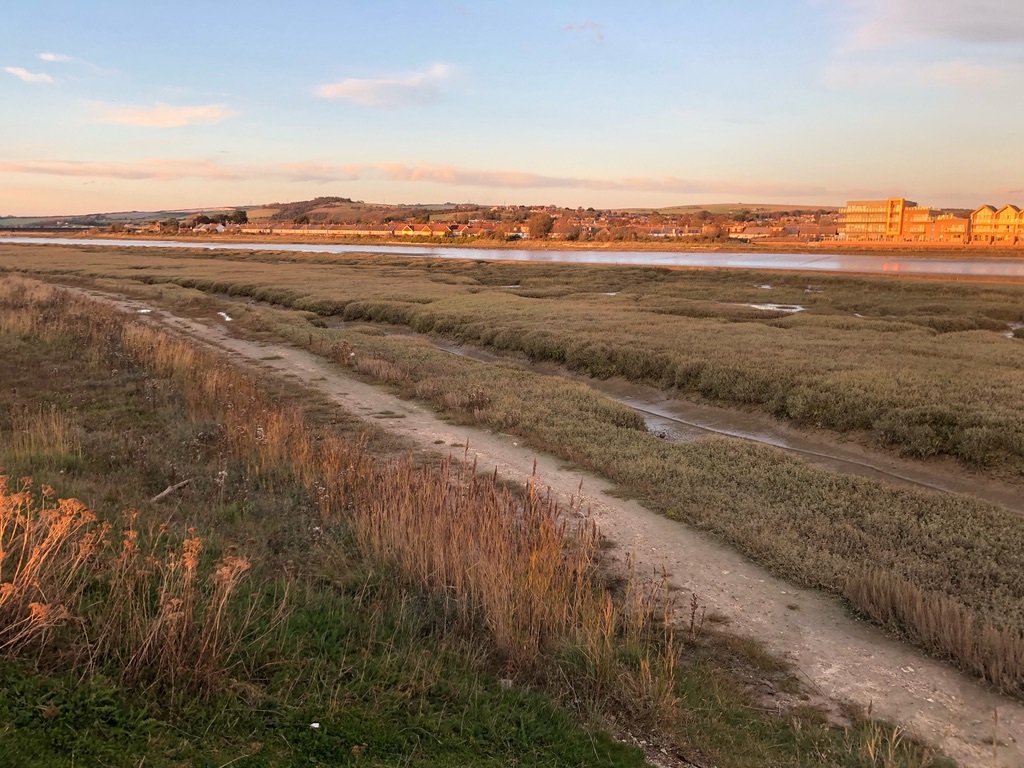 A huge thank you to everyone who took part in the Local Nature Recovery Strategy (LNRS) consultation for Sussex! Over 730 responses were received, and your feedback is helping shape a greener future for our county. We’re encouraged by what you told us: most of you agreed the strategy clearly sets out priorities, guiding principles, and practical actions to restore nature.
The Sussex Nature Recovery team is now reviewing all feedback, and two reports – one for each LNRS area – will be published this spring. Your input will help us to protect the environment in the coming years and build a strong, community-driven plan for nature recovery across Sussex.
- The University of Brighton and county council have been awarded a MACC Hub grant to support climate adaptation work in West Sussex. The project will explore how to involve underrepresented and vulnerable communities in creating climate adaptation solutions. The work will deliver a practical adaptation project to reduce heat stress based on the needs of local residents, and will inform national approaches to inclusive climate adaptation.
- The South Downs Dark Skies Festival is back for 2026 running from 12 to 22 February. The festival will feature a host of events and plans for a brand new night-time ‘Constellations and Creatures’ Trail, another season of their podcast and a brand new Dark Skies Hub.
- The Farming in Protected Landscapes Programme has been extended for a further three years. It provides grants for projects in England’s special and unique National Landscapes and National Parks. It supports projects that may help recover nature, tackle climate change, provide opportunities for people to discover the landscape, or support sustainable farm businesses. Find out about applying for a grant here via the High Weald, alternatively you can apply via South Downs National Park.
- The Big Garden Birdwatch returns this month! Watch your garden birds for an hour over the weekend of 23 to 25 January. Whether you’re a newcomer or a regular, it all counts. The RSPB would love to know what you see so please remember to report your sightings to them online.
If you have any questions, or want to share local climate action stories, email us at climatechange@westsussex.gov.uk.
Join our community of climate champions and add a new map pin to our Community Climate Action Map.
Passionate about your local environment? Do you know someone who would like this newsletter? Please forward it to them so they can sign up using the link below.

|