
SPECIAL EDITION: Multi-agency working
West Sussex County Council sent this bulletin at 14-07-2025 09:00 AM BST
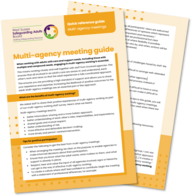
NEW: Multi-agency meeting guide
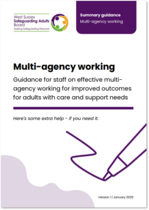
Multi-agency working summary guidance
Sussex Safeguarding Adults Policy and ProceduresFor an overview of the expected safeguarding multi-agency working practice for staff in Sussex, visit the Sussex Safeguarding Adults Policy and Procedures. In these procedures, you will find information about expectations around the convening of multi-agency meetings; Making Safeguarding Personal; recording and sharing information; multi-agency risk management; and supervision and management oversight. Key documents: Sussex Safeguarding Adults ThresholdsThe Sussex Safeguarding Adults Thresholds is a Sussex-wide guidance document, which helps your decision-making when you are considering whether or not a safeguarding incident needs reporting to the local authority. It takes you through the types of abuse and neglect included in the Care Act 2014, and provides guidance on the incidents that are non-reportable, require consultation, and are reportable to the local authority. Alternative actions to consider at every stage are also included, for your reference. You should be using this document before submitting a safeguarding referral to the local authority. Key documents:
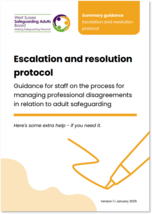
*Please note that this document contains a link to an old version of the Sussex Safeguarding Adults Policy and Procedures website. Please access the Sussex Safeguarding Adults Policy and Procedures website via its new URL. Sussex Escalation and Resolution Protocol
 For further information, visit:
|
West Sussex Safeguarding Adults Board Manage your preferences | Help with your account Having trouble viewing this email? View it as a Web page. |

 |
 |
 |
 |

|
||
| Update your subscriptions, modify your password or email address, or stop subscriptions at any time on your Subscriber Preferences Page. You will need to use your email address to log in. If you have questions or problems with the subscription service, please visit subscriberhelp.govdelivery.com. |