
SPECIAL EDITION: Organisational abuse
West Sussex County Council sent this bulletin at 03-11-2025 10:00 AM GMT
Organisational abuse quick reference guide
Sussex Safeguarding Adults Policy and ProceduresThe three Sussex Safeguarding Adults Board have published a new chapter of the Policy and Procedures, specifically looking at organisational abuse. The chapter includes information about indicators of, risk factors for, and responses to organisational abuse, as well as a section on local reporting procedures. Key documents: Legal remedies to considerThe Sussex Safeguarding Adults Policy and Procedures also includes a chapter about legal remedies to be considered in adult safeguarding cases. In cases of organisational abuse, this may include:
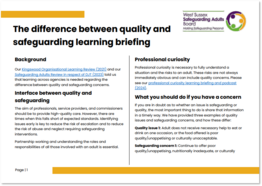
Key documents: Quality and Safeguarding Information GroupThe Quality Assurance and Safeguarding Information subgroup, fondly known as QASIG, was created to develop a single picture of the quality and safety of the local care market. The focus of this group is on information-sharing between agencies and promoting collaborative working. They meet monthly and the group is co-chaired by representatives from West Sussex County Council and the Integrated Care Board. In our Provider Learning Review it was suggested that QASIG, "was believed to have resulted in better alignment in processes, improved sharing of intelligence and greater understanding of where improvement in care quality is needed" (2025, p. 38). If you have soft intelligence that you would like to share with QASIG, you can do so through your Board representative, or the Board Support Team. The West Sussex County Council quality pathway
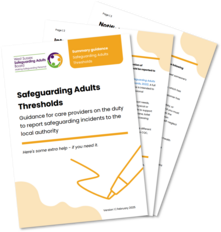
Operational Framework for Managing Provider ConcernsThis document underpins the Pan Sussex Safeguarding Adults Policy and Procedures. It seeks to outline the operational framework for managing safeguarding provider concerns. A provider concern should be triggered where there are significant safeguarding concerns or multiple Section 42 safeguarding enquiries and a wider public interest issue/possible risk to other adults. This includes all adults who are supported by the provider, irrespective of who is commissioning their care. Key documents: 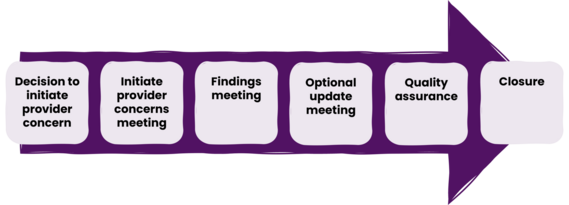 Strategic Provider Concerns Group ProtocolThe purpose of the Strategic Provider Concerns Group is to provide strategic direction and support where there is evidence of significant provider concerns in relation to organisational abuse and neglect in a domiciliary or care home provider, or another provider organisation. The group will usually be initiated by referral to it, either following or during a Provider Concerns process. The referral may come either directly from the Provider Concerns Process, or via the Quality Assurance and Safeguarding Information subgroup. Key documents: Sussex Safeguarding Adults Thresholds Guidance
Regulation 18: Notification of other incidents
 For further information, visit:
|
West Sussex Safeguarding Adults Board Manage your preferences | Help with your account Having trouble viewing this email? View it as a Web page. |



 |
 |
 |
 |

|
||
| Update your subscriptions, modify your password or email address, or stop subscriptions at any time on your Subscriber Preferences Page. You will need to use your email address to log in. If you have questions or problems with the subscription service, please visit subscriberhelp.govdelivery.com. |