
SPECIAL EDITION: Understanding The Mental Capacity Act
West Sussex County Council sent this bulletin at 23-06-2025 09:00 AM BST
Your responsibilitiesThe Mental Capacity Act 2005 Code of Practice provides guidance to anyone who is working with adults who may lack capacity to make decisions, and particularly decisions about their care and treatment. It is intended for use by a wide range of staff, including (but not limited to):
What is mental capacity?Mental capacity is defined as the ability to make a specific decision, at the time that the decision needs to be made. This can include ‘daily life’ decisions, such as what to wear, or daily routines, or more ‘complex’ decisions which have more significant consequences. This could include decisions around medical treatments, move to a care home placement, or planning a will. There are five key principles underpinning the Mental Capacity Act. It’s important to keep these principals in mind, whenever you are undertaking work relating to the Mental Capacity Act. These principles are:
For an explanation of each of these principles refer to Guidance for staff on the application of the Mental Capacity Act 2005 Code of Practice (PDF, 333KB). Supporting adults to make decisionsBefore deciding that an adult doesn’t have capacity to make a specific decision, it’s important that you work with them, to support them to make the decision, if they can. To do this, you need to consider the following:
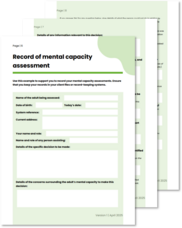
Assessing and recording capacity
The Mental Capacity Act and your practiceIf you haven't already explored our new learning pathway workbook, which provides opportunities for you to reflect on your learning, explore further reading, and note down any actions you need to take forward for your practice, there's no better time than today. The following activities are taken from page 7 of the learning pathway workbook. Activity 1: Daily life and complex decisionsFollowing what you've read today, consider the ‘daily life’ and ‘complex’ decisions that arise for the adults that you work with. Note down some examples of decisions that could require a Mental Capacity Assessment.
 To further your understanding of the Mental Capacity Act, visit the following resources:
Lastly, look out for communication regarding our Mental Capacity Act staff briefings later this year, including information about the interface between the Mental Capacity Act and self-neglect.
|
West Sussex Safeguarding Adults Board Manage your preferences | Help with your account Having trouble viewing this email? View it as a Web page. |



 |
 |
 |
 |

|
||
| Update your subscriptions, modify your password or email address, or stop subscriptions at any time on your Subscriber Preferences Page. You will need to use your email address to log in. If you have questions or problems with the subscription service, please visit subscriberhelp.govdelivery.com. |