|
Welcome to our April newsletter containing all the latest news and updates from across West Sussex.
Every year Earth Day encourages us to try to understand more about the actions that we can all take as individuals, community groups, and businesses. The theme this year is Planet vs. Plastics, calling for a 60% reduction in the production of all plastics by 2040.
A good way to start is to reduce the amount of single-use plastic that you purchase. Click below for some practical ways you can help to reduce plastic waste.
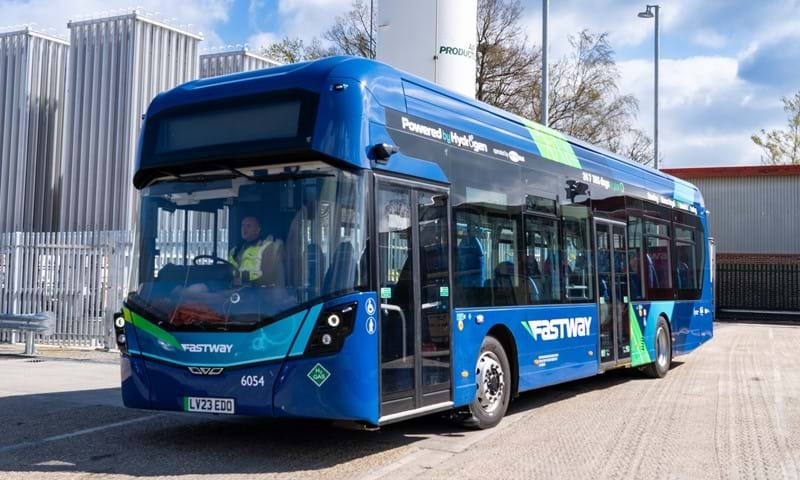 One of the biggest fleets of hydrogen powered buses is set to launch across Sussex, Surrey and Kent later this year. The 43 hydrogen powered sustainable buses release zero emissions at the tailpipe, helping to reduce carbon emissions and create cleaner air for everyone.
Following a successful bid for £10 million of government funding the project is another example of our drive to offer low carbon transport options in line with our Council Plan theme of protecting the environment, and our priority of developing a sustainable and prosperous economy.
When launched the buses will operate across a wide area to connect rural areas with local towns and London Gatwick. Destinations will include Burgess Hill, Crawley, East Grinstead, Haywards Heath, Horsham, Worthing, Brighton, Caterham, Dorking, Redhill and Tunbridge Wells.
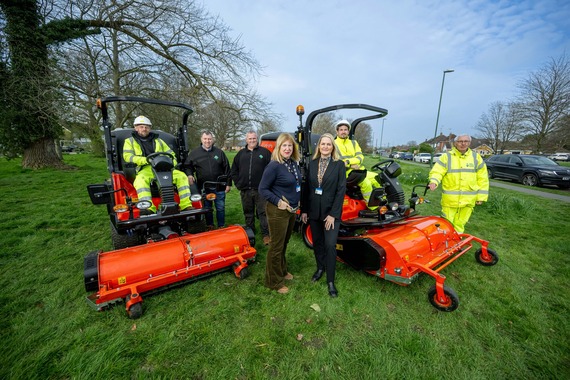 We're bringing our innovative Greenprint project to highway verges in Aldwick, Bersted, Horsham and Pagham this growing season, to explore the benefits of managing them in a different way.
Instead of leaving grass cuttings on the ground, we’re collecting them and investigating recycling them into something useful, such as biofuels and road surfacing materials.
Collecting the grass cuttings should also slow down grass growth and encourage a wider variety of plant life and pollinators, boosting local biodiversity.
The project has been funded by the Department for Transport through the Association of Directors of Environment, Economy, Planning and Transport’s (ADEPT’s) Live Labs 2 innovation programme.
ADEPT Live Labs 2: Decarbonising Local Roads in the UK is a three-year, UK-wide £30 million programme funded by the Department for Transport that aims to decarbonise the local highway network.
Find out more on the link below or watch our short video on Greenprint.
Pictured with two new cut and collect mowers, purchased with Greenprint project funding, are (from left) Grasstex Operative Adam Peacock, Grasstex Managing Director Roger Wragg and Contracts Manager Simon King, Cllr Joy Dennis, the county council’s Cabinet Member for Highways and Transport, Michele Hulme, the council’s Head of Local Highway Operations, Grasstex Grounds Manager Lukas Ozana, and Brian Lambarth, the council’s Greenprint Service Delivery Manager.
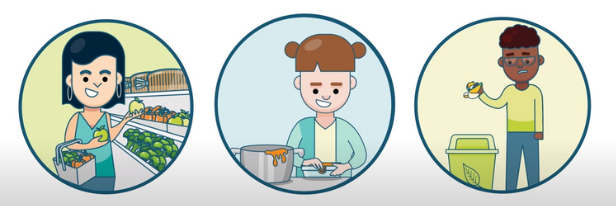 Reduce, reuse, recycl - you’ve heard it all before but what does it actually mean and how can you do your bit to reduce the waste you produce in West Sussex?
Sometimes we focus more on recycling and reducing waste, and reusing items can take a back seat. Waste prevention focuses on reducing the amount of waste that you generate at source and means using less materials overall. Here's how to reduce your waste at home:
-
Food - 40% of an average rubbish bin in West Sussex is food waste and 27.7% is edible food which includes food still in the packaging, leftovers, and cooked food that didn't get eaten. When food is thrown away it's not just the food that's wasted, it's also the resources that go into producing it. We have loads of tips on how to reduce your food waste on our Fight Against Food Waste web page.
-
Repair - When an item breaks it can be tempting to throw it away and buy a new one as opposed to mending and fixing. Mending a hole in your favourite jumper or fixing a broken item can save you money and reduce your waste. Did you know West Sussex has various free repair cafés all run by volunteers? Find out locations online here.
-
Reuse - Investing in reusable materials is another way to reduce your waste and can even help you save money in the long run. The average West Sussex household threw away 26kg of disposable plastic bottles in 2021! Making easy switches such as using a reusable water bottle or reusable shopping bag can make a big difference.
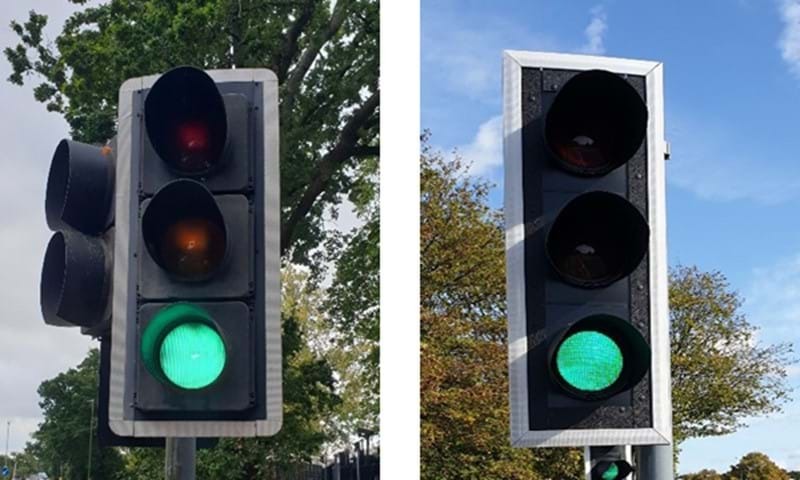 Image: Old halogen head (left) next to an LED signal head (right)
In 2010, we conducted several trials on traffic signals sites using the latest in Light-Emitting Diode (LED) technology. The trials were successful in both cost savings and environmental benefits, resulting in the decision that all new sites or refurbishments will use LED technology. Within West Sussex, most of the 128 traffic signal junctions and pedestrian crossings have already been successfully converted to LED.
LED bulbs generate the same light output as halogen with considerably less energy usage and they last longer. LED technology also has a longer life expectancy, which will both reduce our environmental impact and help avoid disruption to road users.
The project will contribute significantly towards our pledge to become carbon neutral by 2030, by delivering an 11% energy and carbon reduction value in traffic signals usage.
Advice for businesses
Do you run a business? Are you interested in how your business could become more sustainable? If you're looking for information, support, and guidance to help implement greener business practices, why not subscribe to our Green Business Matters eNewsletter?
If you have any queries, want to share or celebrate local climate action, please email us: climatechange@westsussex.gov.uk.
You can also add a new map pin to our Community Climate Action Map - keep them coming!
If you know someone else who will be interested in reading this newsletter, please forward it so they can sign up using the link below.
|