|
This edition:
-
Inclusive Design Group. Video Available. See how the group is sharing their experience to help shape early thinking about what would make a community hub welcoming and accessible, as part of the council's ongoing conversations.
-
Access is not special treatment: Stephanie's story. Read about why thinking about access from the start can make a real difference.
-
Get involved: Adult Social Care Survey. Closing 28 October, have your say on what Adult Social Care should focus on next.
-
The Herbert Protocol. Find out about a national scheme that can help emergency services act quickly if someone you care about goes missing.
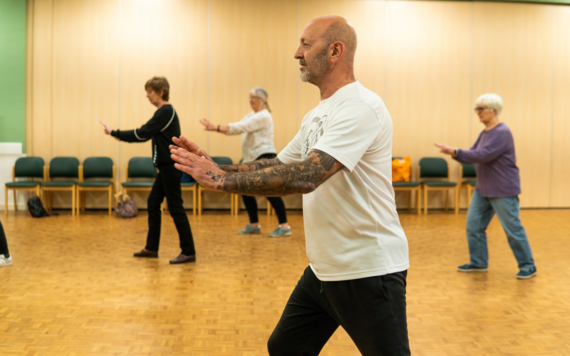 The Inclusive Design Group helps shape community hub plans
Recently, the Inclusive Design Group (IDG) worked with the council to look at early designs for the future Woodley and Arborfield community hubs.
Across two sessions, the group met with architects and members of the council’s community and development teams. The IDG brings together different lived experiences of disability and accessibility. Being involved early means they can spot things that might make a building difficult to use, as well as ideas that could make it work better for more people
The group split into smaller teams to explore different parts of an ideal community hub. They discussed a wide range of things, from using suitable lighting for people with reduced vision, to keeping reception areas clear and uncluttered for people who can find busy spaces overwhelming.
The sessions gave the teams plenty to think about, and the group’s feedback has already helped influence the developing designs.
One example is the entrance at Woodley. The plans now keep an entrance close to the car park alongside a new entrance. This will give people who find it difficult to walk longer distances, or to travel further in poor weather, an easier way into the building. It is one example of how involving people early can make a practical difference.
The IDG was proud to be one of the groups involved as the plans develop, with conversation still continuing. Community hubs are for everyone. By involving people with different lived experiences early on, accessibility can stay at the heart of the design.
Watch our new video about this project to hear more about the Inclusive Design Group and why involving people early matters.
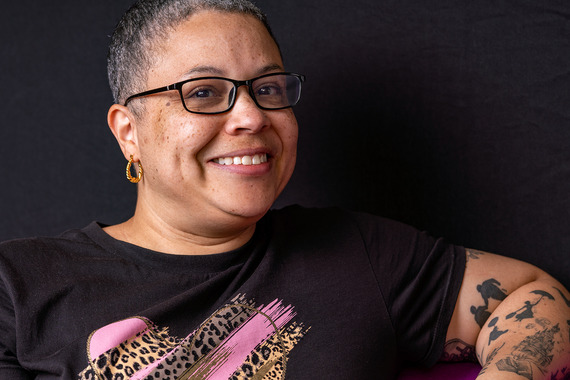 Access is not special treatment: Stephanie's story
Social Care Future is about people living the life they want to live, with the people and things that matter to them, in communities where everyone can belong. But being included is about more than being invited into a room. It means being able to communicate, take part and contribute in your own way.
Stephanie is a deaf woman living in Wokingham Borough, a mum of three boys and the person behind WovenAware. Through WovenAware, she shares her experiences and explores how communication, access and identity can affect whether people feel included and able to belong.
She also brings her lived experience to the Inclusive Design Group, a resident-led group helping to make future buildings, public areas and outdoor spaces more welcoming and easier for everyone to use.
“Access is not special treatment. It is what allows me to take part properly, like everyone else.”
For Stephanie, it is important to think about people’s different needs from the beginning. Even small changes can make a big difference. Wider paths give people space to walk side by side and sign, while good lighting helps see faces and signing clearly. Visual information can also make sure important messages are not missed.
Through WovenAware and the Inclusive Design Group, Stephanie is helping others understand why listening to people’s experiences and involving them early can create places where more people can take part.
 Get involved: Have your say on adult social care
Wokingham Borough Council wants to hear residents’ views to make adult social care work for everyone in the borough.
Adult social care supports people to live the life they want. Some people may need support for a long time. Others may need it for a short while, for example while getting back on their feet after an illness or a stay in hospital.
Support will look different for different people. It could help someone stay independent, have a home that works for them, stay connected to the people and things that matter to them, or support a family member or carer.
They have created a new draft strategy, setting out their aims and focus for the next five years. It brings together what people have told them through the last three years of co-production and engagement.
All these conversations have helped the council understand what matters to people and what needs to change. Now they want to hear from you. Have they got the priorities right? Is there anything missing?
Get involved now and share your views as the survey closes this Wednesday (28 October).
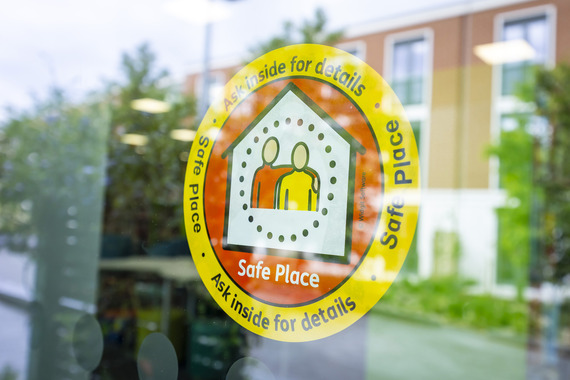 Help is closer than you think on darker evenings
Now the clocks have gone back, it gets dark earlier. If you feel lost, worried or unsafe while you’re out, Safe Places give you somewhere you can go and ask for help.
There are now 27 Safe Places spread across Wokingham Borough, including libraries, leisure centres, community venues, shops and pubs. If you need help, you can go inside and find a friendly person who can help you feel safe and work out what to do next. They can give you somewhere to wait, help with directions, or call a friend, family member or support service for you.
Look for the Safe Places sticker in a window or use the Safe Places app to find your nearest location.
You can also carry a Safe Places Card. It is a small paper card that fits in your wallet or purse and can help you tell someone that you need support. There is space for your name, two people you trust and their phone numbers, and anything important you would like someone helping you to know.
You can cut out a card from a Safe Places leaflet. Leaflets can be found at Wokingham Borough Council reception at Shute End, Optalis Head Office, Wokingham Charity & Community Hub in Erftstadt Court off Denmark Street, and local libraries. You can also download and print your own card.
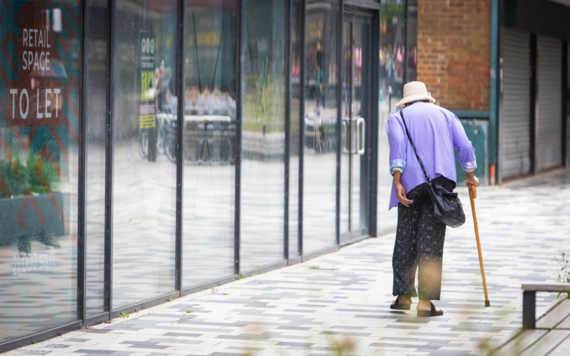 Helping keep people safe: The Herbert Protocol
The Herbert Protocol is a free way to record important information across the UK that emergency services can use to help find someone if they go missing.
It can help people who might need extra support if they go missing, including people living with dementia, memory difficulties or a learning disability. Having this information ready means emergency services can access it quickly when it is needed.
You can fill in a Herbert Protocol safely and securely online. The person can do this themselves, or a family member, friend or carer.
It includes useful information such as:
- What the person looks like
- Important medical information and medicines they need
- Who to contact
- Places they have lived before, their usual routines, places they know well or might try to get to
Supported by MedicAlert, you can learn more about the Herbert Protocol or create a profile by visiting the Herbert Protocol website.
The next two Resident Receptions:
Friendly, local drop-in sessions where residents can get information, advice and guidance about support available in Wokingham Borough, with no appointment needed.
- Thursday 29 October: All Saints Church Wokingham, Wiltshire Road from 10am to 1pm
-
Tuesday 3 November: Shinfield British Garden Centre from 10am to 1pm
|