|
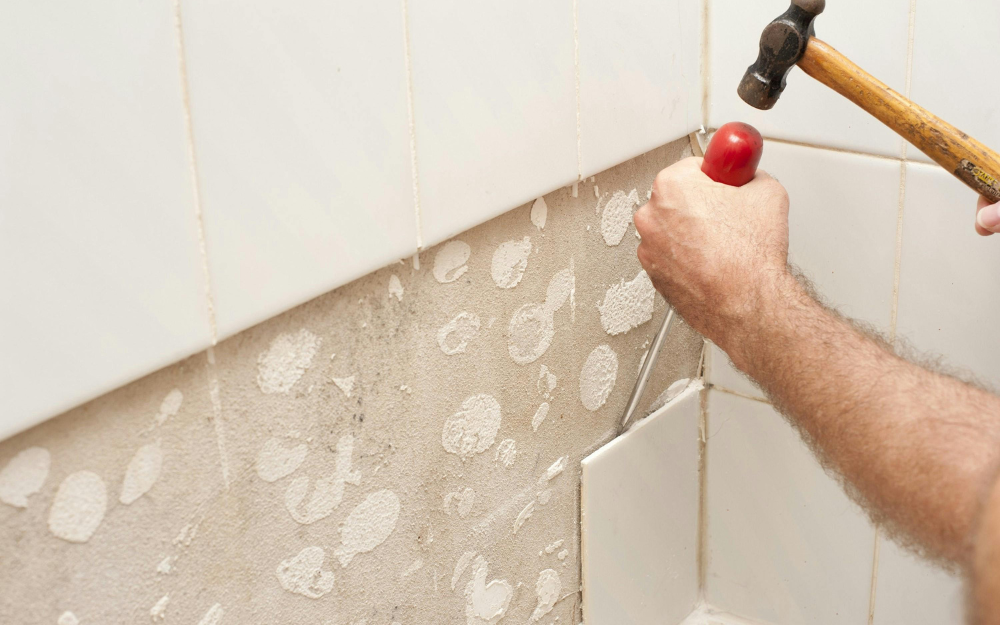
DIY waste includes materials from small-scale work around your home.
Simpler rules for DIY waste
The rules for taking DIY waste to recycling centres are being simplified, making it easier to know how much you can take for free.
Your free DIY waste allowance is increasing from 100 litres to 400 litres every four weeks.
This includes waste from small-scale work around your home, such as rubble, soil, plasterboard, wood and materials from DIY work in kitchen or bathrooms.
The changes bring the different DIY waste allowances together into one simpler limit, following national rules for household DIY waste.
Most small DIY loads will be free. If you have a bigger project, you can still bring more than your free allowance and pay for the additional DIY waste. Staff at the recycling centre can help assess the amount when you arrive.
Not sure what 400 litres looks like? Visit re3 to see examples of different load sizes, what counts as DIY waste and how larger DIY items are counted.
Leftover pumpkin can go in your food waste caddy.
Recycle your Halloween pumpkin
Halloween might be over, but your pumpkin can still be put to good use.
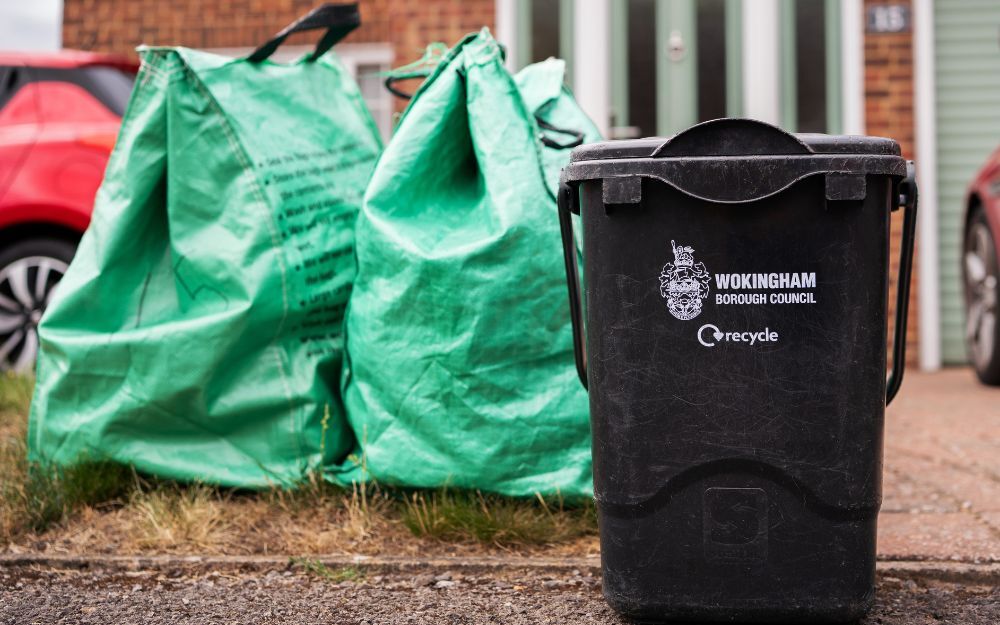
Once you’ve finished with your carved pumpkin, remove any candles, decorations or other non-food items and put the pumpkin in your food waste caddy.
It’ll be recycled with the rest of your food waste and turned into energy and fertiliser.
Find out more about food waste recycling.
A new resident-led group, Wokingham Energy Collective, wants to develop community-owned clean energy projects across the borough and is inviting people of all skills and experience to join its AGM on Thursday 5 November.
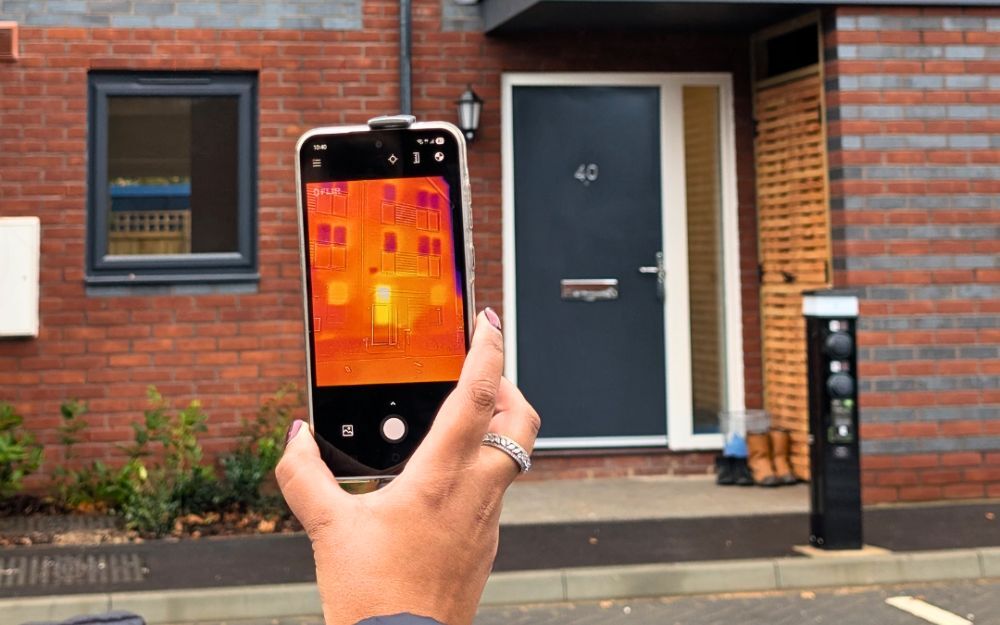
A thermal imaging camera can help spot heat loss.
Do you know where your home is losing heat?
As the weather gets colder, now is a good time to find out where warmth could be escaping from your home.
If you have a Wokingham Borough library card, you can borrow a thermal imaging camera from our libraries, just like you'd borrow a book.
It connects to your phone and can help you spot heat loss around windows, doors, roofs and walls.
Once you know where the problem areas are, simple changes such as draught-proofing, insulating pipes or topping up loft insulation could help keep more heat inside.
There’s also support available for bigger home energy improvements, including government grants for eligible households.
See our home energy-saving advice and support.
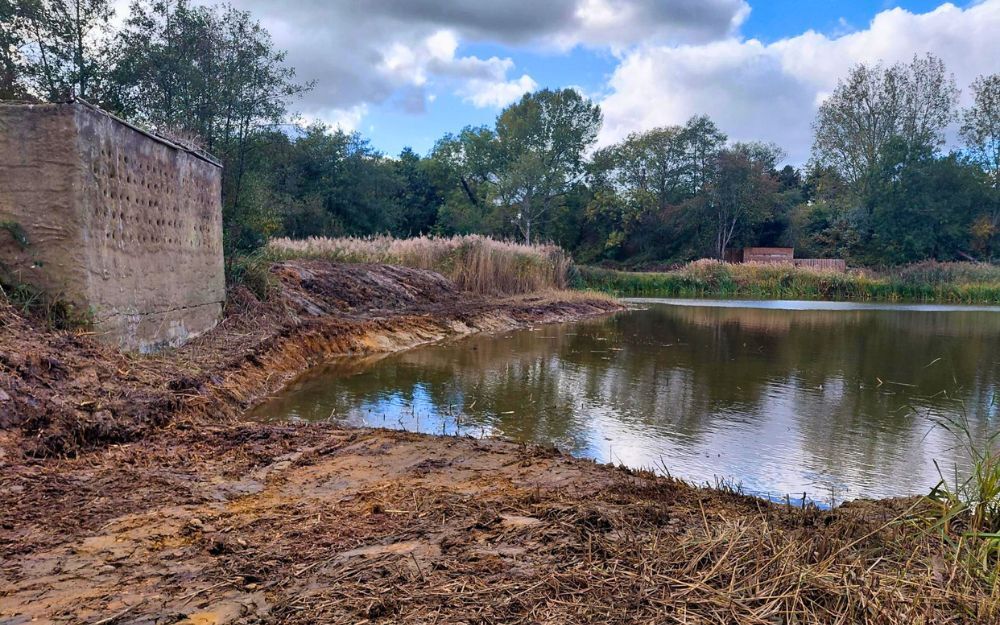
The newly opened approach to the sand martin nesting wall.
Making room for sand martins at Lavell’s Lake
We’ve been clearing reeds from in front of the sand martin nesting wall at Lavell’s Lake, near Dinton Pastures, Hurst, to give the birds easier access when they return.
Sand martins are small migratory birds that naturally nest in tunnels in sandy banks and cliffs. Special nesting walls can provide a safe alternative, with holes leading to places for the birds to nest.
Lavell’s Lake and neighbouring Lea Farm Lake are important wetland habitats, with nesting walls provided for sand martins at both sites.
The wall at Lea Farm has continued to attract the birds in recent years, while numbers using the Lavell’s wall have declined.
The habitat around the Lavell’s wall has flourished over the years, but reeds had gradually spread across the front, making it harder for sand martins to reach their nesting holes and providing more cover for predators.
By cutting and digging out the reeds, we’ve opened up the approach again, giving sand martins more choice of places to nest when they return.
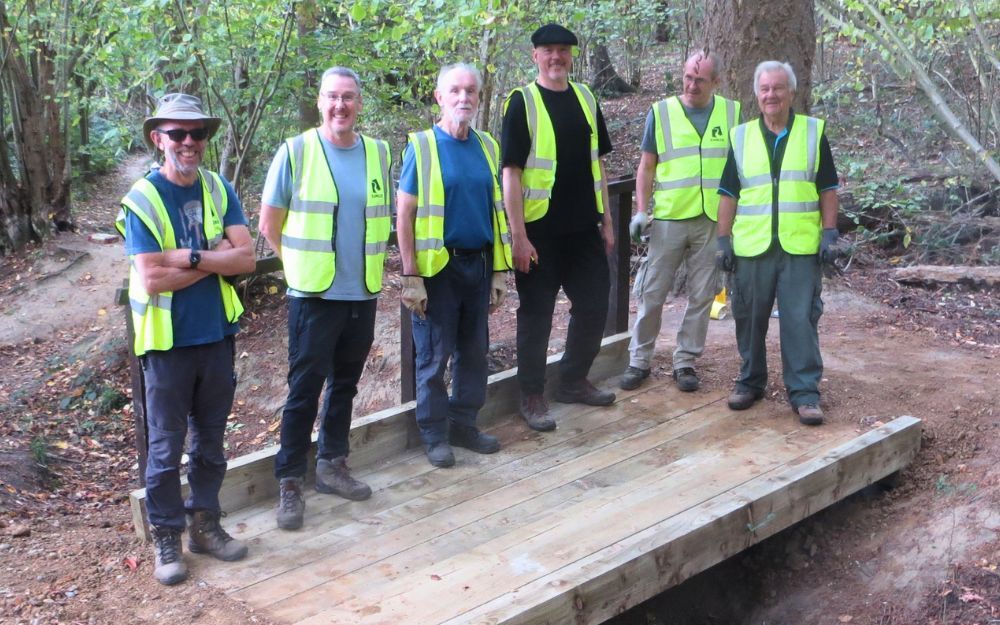 |
Volunteers on one of the new Wargrave footbridges.
New bridges make Wargrave walk easier
A countryside walking route in Wargrave should be easier to use in wet weather thanks to two new footbridges installed by volunteers from the Loddon Valley Ramblers Project.
The bridges have been added to Footpath 46, which runs along Green Lane towards Bowsey Hill. They replace two difficult crossing points over a drainage ditch which could become particularly tricky during wet weather.
Seven volunteers spent seven hours installing the bridges, with just under £1,100 provided by the Ramblers Path Accessibility Fund.
It’s the latest work we’ve carried out in partnership with the Loddon Valley Ramblers Project to improve countryside routes across the borough. This year, volunteers have also resurfaced a riverside footpath between Sonning and Charvil, repaired and replaced signs around the borough and helped create the Lower Earley Green Corridor Trail.
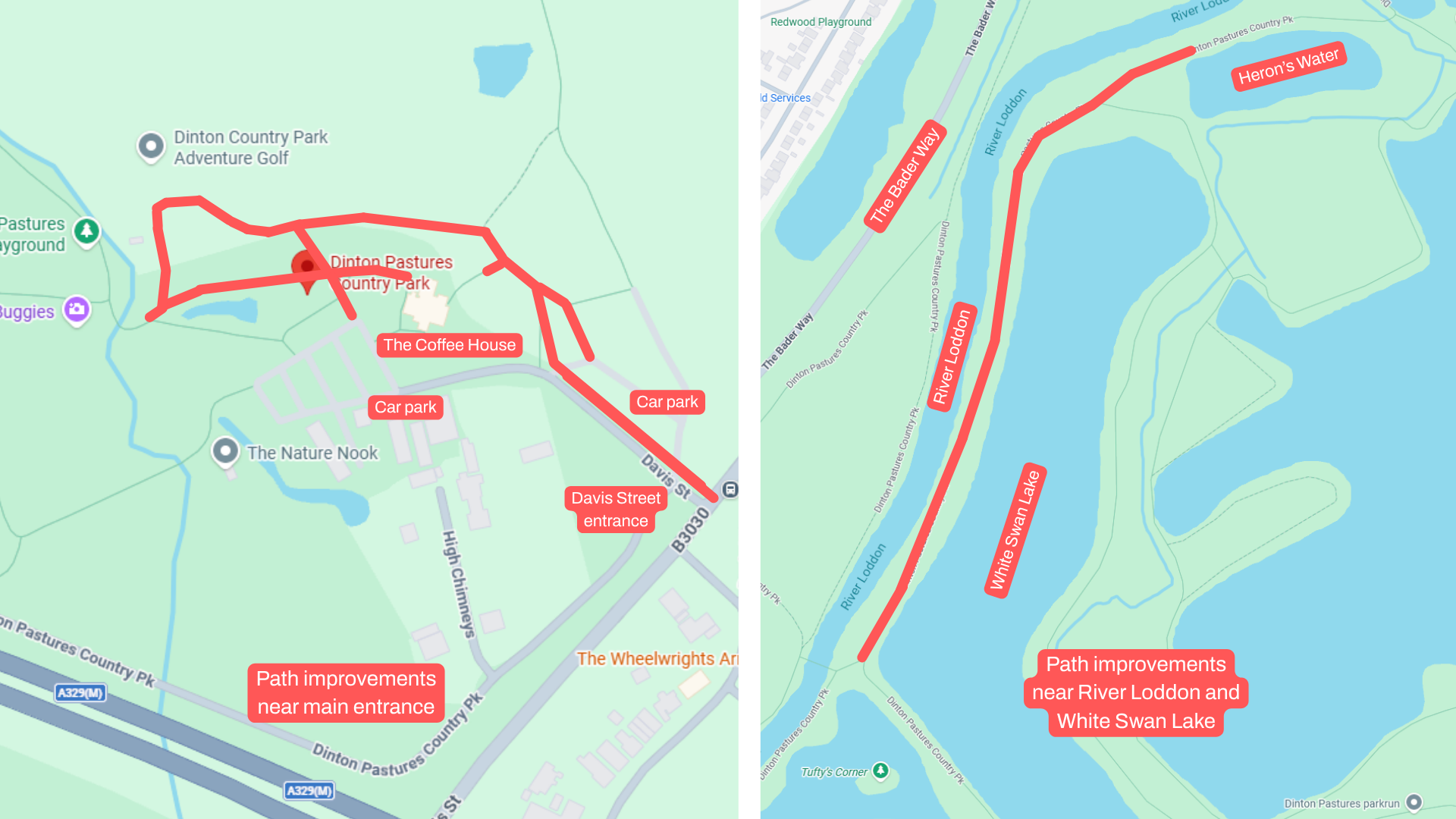
Maps showing improved walking routes - click/tap for larger version
Improved walking routes coming to Dinton Pastures
Visitors to Dinton Pastures will soon benefit from better walking routes, with work set to begin later this autumn, to upgrade several key paths across the country park.
The improvements, which are timed to minimise disruption, will complete a missing link between White Swan Lake and the River Loddon, creating fully connected circular walks around both of the park's main lakes.
Access from Davis Street to the café, toilets, car parks and events area will also be improved.
Once complete, the upgraded paths will provide firmer, more accessible surfaces while retaining a natural-looking finish, helping more people enjoy the park throughout the year.
We'll share more updates once details are confirmed.
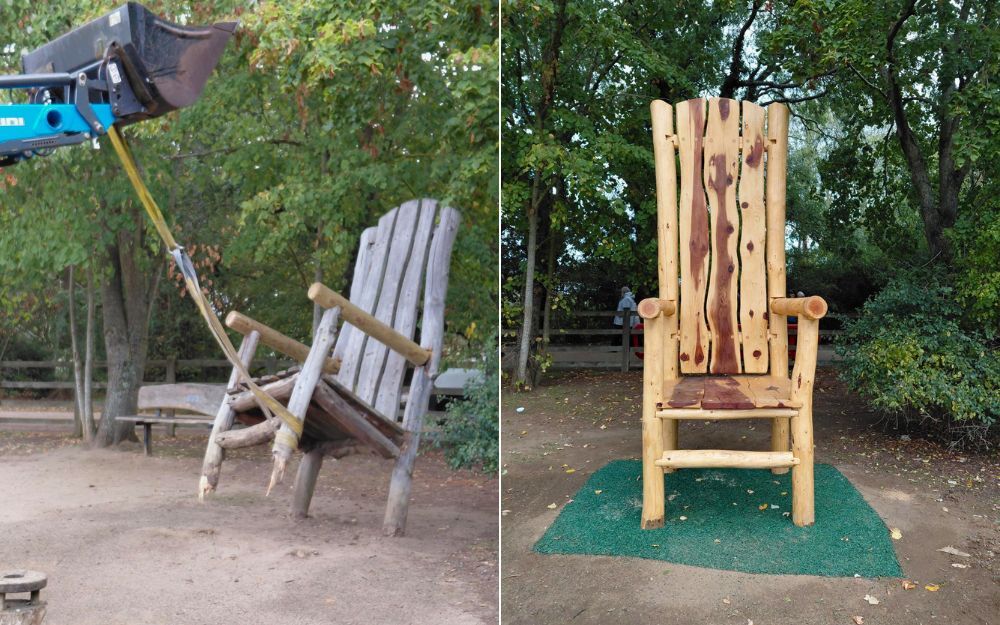
The old wooden throne makes way for its new like-for-like replacement at Dinton Pastures.
The big chair is back
A familiar favourite has returned to the play area at Dinton Pastures.
The popular wooden chair has been replaced with a new like-for-like version.
It had become such a well-loved feature of the play area that we wanted to keep the same familiar design.
The new chair also has a new safety surface and is now open for children and families to enjoy.
|