|
Welcome to a special edition of your consultation newsletter
We normally send this newsletter fortnightly, with the next one due in your inbox on Wednesday 28 January.
However, we’re writing early for three reasons. We want to:
- Apologise for how we worded an article in our last newsletter
- Explain the purpose of consultation and why decisions do not always follow majority views
- Encourage you to take the survey on our draft Engagement and Consultation Strategy
 Woodley to Reading cycleway consultations
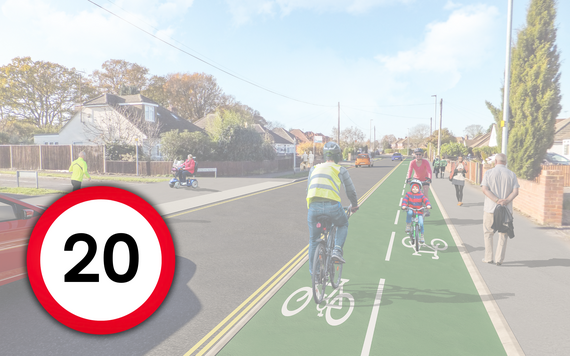
In our last newsletter, we included an article about the new 20mph speed limits in Earley and Woodley, which form part of a new walking and cycling route. We said that most respondents to the October 2025 consultation objected to the new limits, but that the scheme was still going ahead because of road safety benefits.
This oversimplified the situation and we apologise for the wording.
Across both consultations, we received 243 responses. Less than half of these commented on the speed limit proposals, and many of those comments were general points about speed limits or cycling rather than the details of the proposed scheme. No new issues were raised that had not already been carefully considered during the design stages.
You can read the full comments on our website: Woodlands Avenue; Culver Lane and Palmerstone Road.
It is also clear from wider engagement that our residents want safer roads. For example, engagement on our Local Transport Plan 2025 showed:
- 77 per cent support a safer environment for all road users
- 56 per cent support targeted infrastructure changes, including 20mph limits, compared to 28 per cent against
- 90 per cent consider pedestrian safety a priority in urban areas
- 50 per cent say traffic conditions prevent them from walking or cycling
All of this, combined with strong safety evidence for lower speeds, helped inform the decision to introduce 20mph limits on part of Culver Lane and all of Palmerstone Road in Earley, and on part of Woodlands Avenue in Woodley.
The reduced speed limits are a necessary part of the new walking and cycling route from Woodley to Reading.
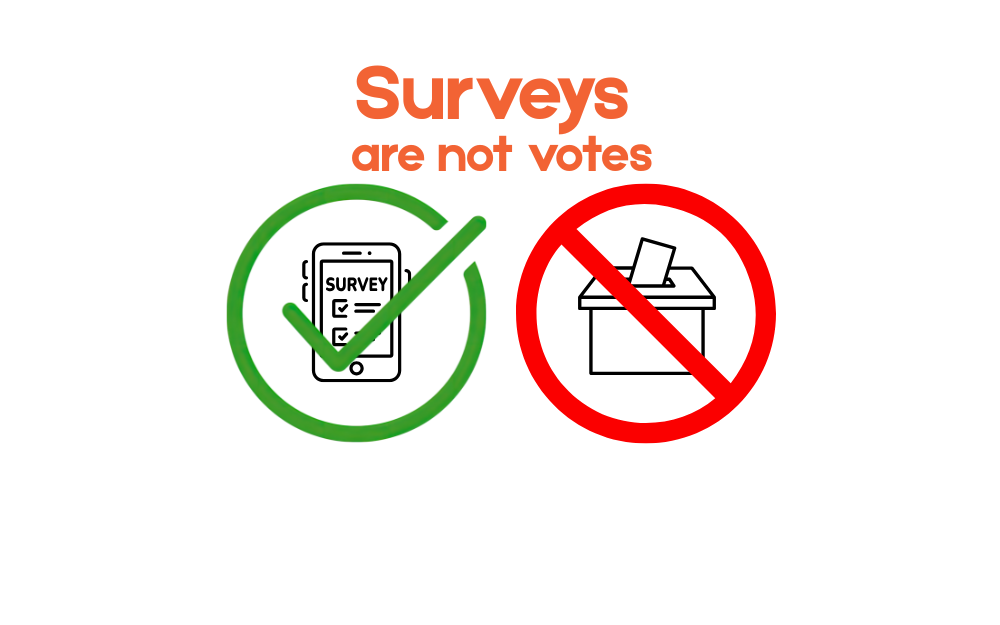 Surveys and consultations are not votes
Some residents have since asked why we did not follow the majority view expressed in the consultation and we want to explain why.
Surveys and consultations are ways for us to listen, learn and understand what matters to our communities.
Their purpose is to inform decisions, not to determine them by majority rule. Even if most respondents favour one outcome, we must also consider laws and regulations, available funding, fairness to everyone in the borough, safety evidence and our long‑term goals alongside the comments received.
We also know that people are generally more likely to respond when they oppose something than when they support it. As a result, consultation responses sometimes reflect stronger representation from those who disagree. We do take note of the number of objections, but they may not be the overriding conclusion.
When decisions do not align with most consultation responses, the feedback is still extremely valuable. It helps us refine plans, clarify information, address concerns, support affected groups and explain the final decision clearly.
This explanation is set out in our draft Engagement and Consultation Strategy, which we are now seeking feedback on.
 Why your feedback on the draft Engagement and Consultation Strategy matters
We want to keep improving the way we involve you in shaping the borough’s future. Our draft Engagement and Consultation Strategy sets out how we plan to do that, including how we will communicate, how we will report back and how we will show the impact of your input.
You’ve already helped us understand what good engagement should look like, and your feedback shaped this draft strategy. Now we need you to tell us whether the strategy we’ve created reflects what you asked for. This stage is different from the first survey. It’s about checking whether we’ve understood you and whether the plan will genuinely improve how we listen and respond. We really need your voice in this.
If you care about how we listen, how we involve you and how we report the results of consultations, this is your chance to tell us what works well, what doesn’t and what you would like us to do differently.
As you can see from this newsletter, we won’t always get our communications right, but we are trying to do better and we appreciate you sticking with us as we improve.
|