 Have your say on our spending for 2026/27
Next week we’ll launch an extensive consultation on our budget and spending plans. We’ll also be asking residents to support our lobbying of the government for fairer funding.
We’re committed to involving you in decisions about the services that matter to you, and this wide-ranging consultation on our 2026/27 budget is a key part of that.
Most of our spending is committed to services we’re legally required to provide. So, this consultation focuses on the areas where we have more flexibility (known as discretionary spending) and how we might make savings.
We’ll use today’s Residents’ Round-up to explain our financial situation, before the first round of consultation on our 2026/27 budget opens next week.
You’ll be able to give your views again in autumn on more detailed proposals, before councillors finalise our spending plans early next year.
The survey will go live on Monday on our Engage Wokingham Borough platform. We’ll provide you with the link in next Tuesday’s (3 June) newsletter.
 Supporting our most vulnerable residents
It’s commonly thought councils just collect bins and fill potholes, so Council Tax should not be so high.
In reality, more than two thirds of the money we have is used to look after and support those who need us most.
This includes people with learning difficulties, physical disabilities and those with mental health issues or other things which need support.
It also includes making sure children and vulnerable adults are kept safe from harm or abuse.
We are aware these vital, and legally required, services are not as visible day-to-day as others, such as roads or waste collections but that does not make them any less important.
You can see a breakdown of our spending for 2025/26 on our website.
 Where our funding comes from
The funding for ongoing, day-to-day services (such as providing adult and children’s social care, making planning decisions or collecting waste and recycling) comes from five sources:
-
Council Tax: this provides by far the most of our revenue funding - about 80 per cent because we receive very little from the Government compared to other councils.
-
Core government grants: these are made up of:
- Grants from central government based on its understanding of the council’s need.
- Retained Business Rates: Business Rates are paid by all business in the borough and the council keep a share of these.
-
Other government grants: councils can bid for small amounts of revenue funding it can spend on specific projects. This money cannot be used for other activities than it has been granted for.
-
Income from fees and charges: this includes income from parking charges, planning application fees and hiring sports facilities or pitches. These charges typically fund the services they relate to - for example, Dinton Pastures and our other country parks are largely funded by their parking income.
-
Commercial activities: the council consistently seeks to generate more income from commercial activities such as the solar farm and commercial assets.
 Council Tax increases
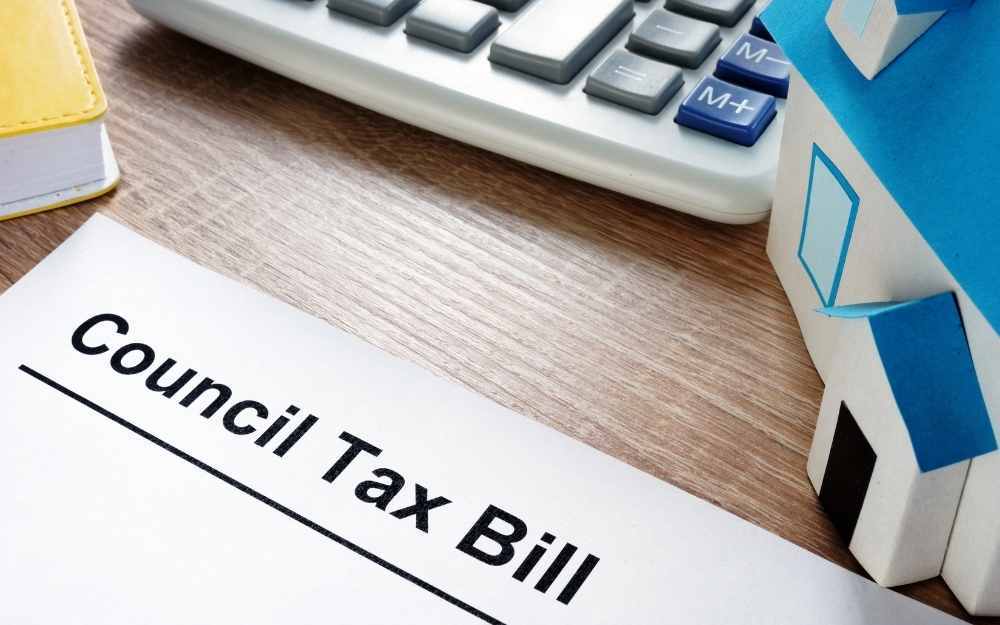
Our share of Council Tax increased by 4.99 per cent for 2025/26, including a two per cent increase specifically for adult social care.
This is the standard increase expected by the Government and is the same as most other councils not in immediate financial crisis.
This increase means Council Tax for the average Band D property is £1,931.04. This is an increase of £7.65 per month on last year.
This does not include increases from police, fire and parish council precepts, which are additional and go up at a rate those organisations decide.
Comparing to other areas
Multiple councils, including two in Berkshire, have been allowed by Government to increase Council Tax by more than five per cent in recent years to deal with difficult financial situations. Lists for 2024/25 and 2025/26 can be found online.
There have also been Government agreements to provide extraordinary additional financial support this year to 30 councils, some on top of these additional Council Tax increases, due to financial pressures.
Our area is underfunded by Government
Council Tax is rising to cover increasing costs for services we’re legally required to provide. At the same time, the funding we receive from central government has been going down in comparison with the real cost of delivering the services our community relies on.
We receive significantly less government funding per resident than similar councils – around £30 million a year less than the average local authority. That’s equivalent to about £400 less per household each year.
This is due to the way the government decides how much each council gets, which is based mainly on deprivation (areas of low income), rather than what it costs the council to meet the needs of the community.
The Government does not fully factor in some of the highest cost areas such as supporting children with special educational needs or helping adults who have physical disabilities or learning difficulties. These are not linked to deprivation and so we don’t believe they are considered properly by the government.
We don’t think this is fair and will continue to lobby government for a better funding model for councils. Those taking part in our budget consultation will be able to support this lobbying.
 Increasing costs - inflation
We all know the cost of living has gone up in recent years and the things the council must pay for have also been affected by this.
Although inflation has started to slow, this doesn’t mean prices are going back to where they were. Costs remain significantly higher than before.
Last year alone, high inflation led to real cost increases of around £10.8 million for the council.
Increasing need in the community
The pressures of inflation are made even more challenging by the growing number of residents who need our support.
These include children with Special Educational Needs, children in care and adults with learning difficulties or physical disabilities. The needs residents have are also becoming more complex.
It’s right and vital to meet these needs. The additional cost of providing these services this year is about £9.7 million.
Being more efficient and making savings
We continue to make savings each year, reducing costs and being more efficient.
Since 2019 we’ve made, or planned to make, savings of £48.4million.
 How we can still invest in community facilities
People sometimes ask why we can invest in major projects (such as roads, schools and leisure facilities) when we are having to save money on day-to-day services.
The reason is that we have different sources of funding and there are rules we must follow to use them.
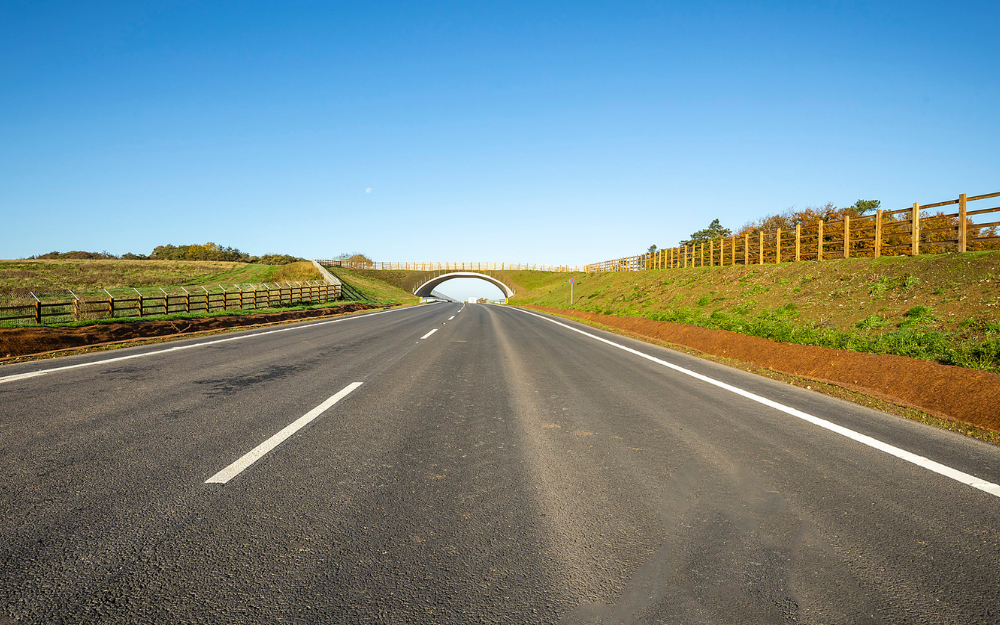
New facilities are paid through for capital funding, these are one-off projects to improve the local area, meet the extra needs from housing growth and create long-term savings or income.
These are usually paid for by housing developers, government grants, borrowing or sale of current assets.
You can find out more about this on the Local Government Association website.
 Why more housing doesn't mean more income
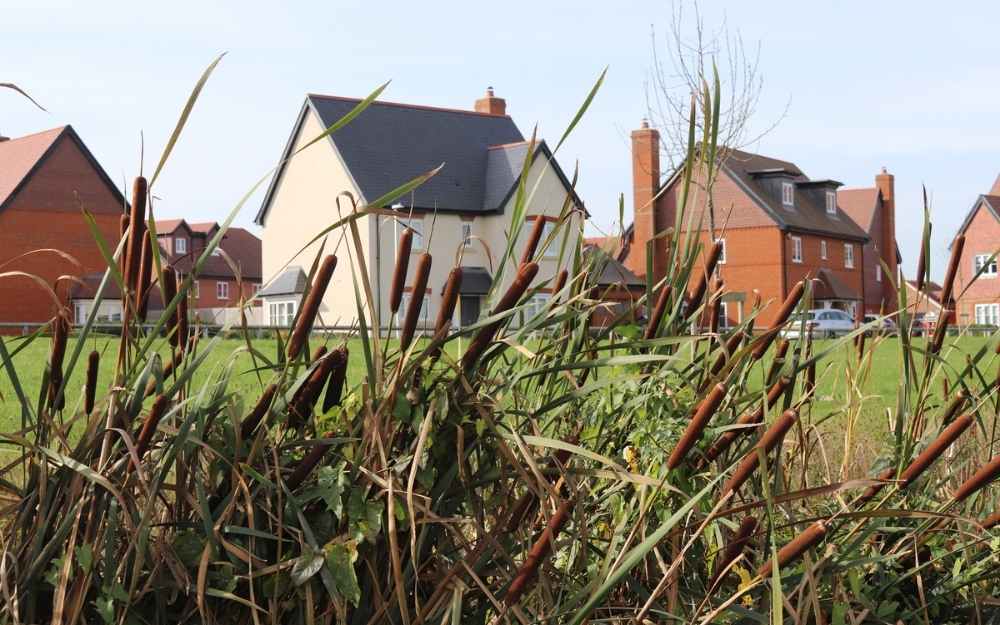
New housing doesn't provide us with any financial advantage as the increased Council Tax is offset by the increased demand for services.
This is particularly the case in adults' and children's social care, as explained earlier, where demand is growing nationally.
Give your views
There’s lots of information in this newsletter, but it’s also summarised on our website if you’d like to check back at another point.
Remember – the first consultation on the budget for 2026/27 opens next week.
You can sign up below to take part in the consultation and we’ll remind you when it opens next week.
|